



Comprehensive Guide to Metal Tube Caps for Industrial Applications
Metal Tube Caps: A Comprehensive Guide
Metal tube caps are essential components in various industries, providing protection, sealing, and a finished look to open-ended metal tubes. They prevent contamination, protect against damage during shipping and handling, and can even enhance the aesthetic appeal of a product. This article delves into the world of metal tube caps, exploring their types, materials, applications, and benefits. Whether you're involved in manufacturing, construction, or automotive industries, understanding the nuances of metal tube caps is crucial for ensuring product quality and longevity.
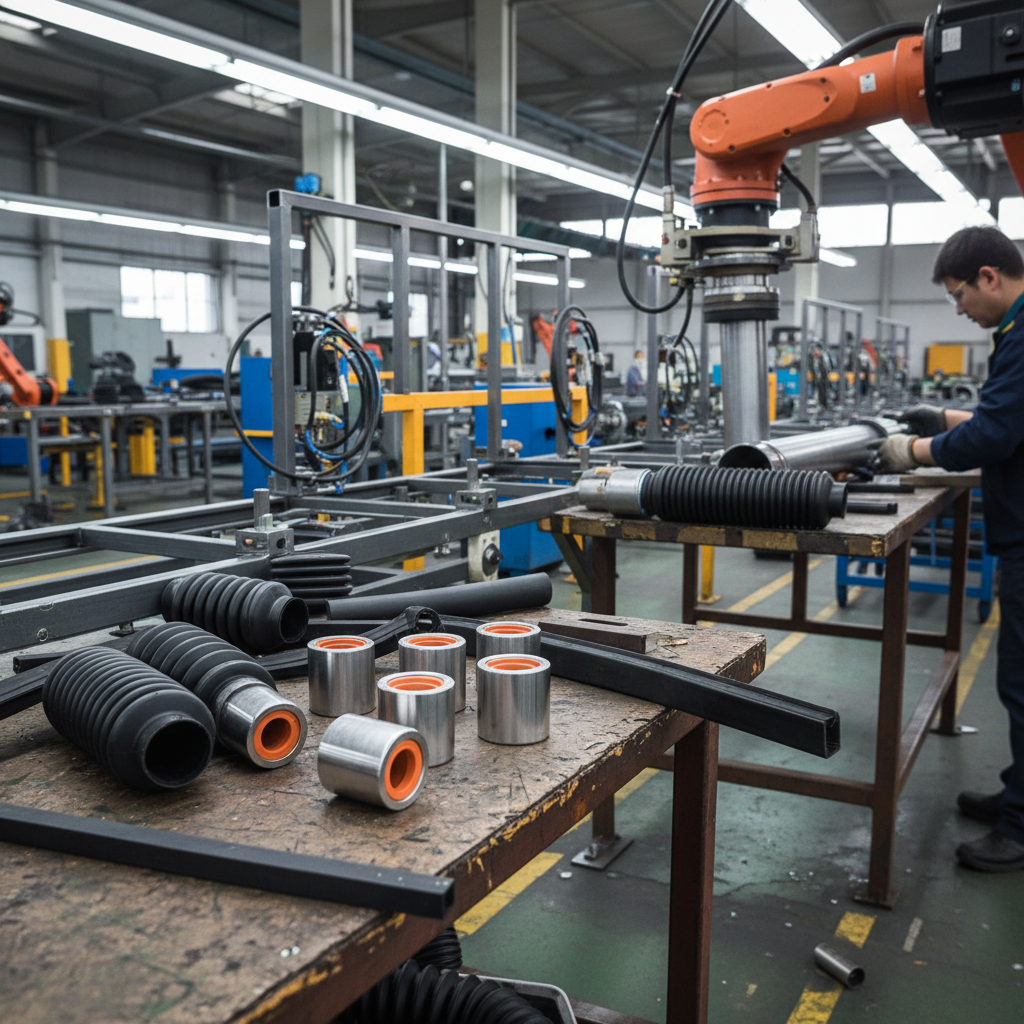
Understanding the Different Types of Metal Tube Caps
Metal tube caps aren’t one-size-fits-all. They come in various designs to suit specific applications and tube geometries. Some common types include: Welded caps – providing a permanent, airtight seal; Crimp caps – offering a secure fit achieved through mechanical deformation; Press-fit caps – relying on interference fit for a tight connection; and Threaded caps – enabling easy removal and re-application. The choice of cap type depends on factors like the required level of sealing, the material of the tube, and the intended use of the product. Understanding these differences is key to selecting the optimal solution.
Key Takeaway: Selecting the right type of metal tube cap depends on the application's sealing requirements, tube material, and desired level of permanence.
Common Materials Used in Metal Tube Cap Manufacturing
The material of a metal tube cap is critical to its performance and longevity. Common materials include: Steel – known for its strength and durability, often used in heavy-duty applications; Aluminum – lightweight and corrosion-resistant, ideal for applications where weight is a concern; Stainless Steel – offering excellent corrosion resistance and hygiene, perfect for food and pharmaceutical industries; and Copper – providing good conductivity and corrosion resistance, suitable for electrical applications. Each material has unique properties impacting cost, weldability, and resistance to different environments. FY Gasket offers a wide range of materials to meet diverse client needs.
Material Comparison:
• Steel: High strength, cost-effective.
• Aluminum: Lightweight, corrosion-resistant.
• Stainless Steel: Excellent corrosion resistance, hygienic.
• Copper: Good conductivity, corrosion resistant.
The Benefits of Using Metal Tube Caps
Using metal tube caps offers several significant benefits. They provide protection against contamination, keeping the internal contents clean and free from debris. They also offer structural support, preventing deformation or damage to the tube ends. Furthermore, they offer corrosion resistance, extending the lifespan of the tube and its contents. Finally, they provide a finished aesthetic, enhancing the overall appearance of the product. These advantages contribute to improved product quality, reduced waste, and increased customer satisfaction.
Applications of Metal Tube Caps Across Industries
Metal tube caps find application in a diverse range of industries. In the automotive sector, they protect hydraulic lines and fuel injection components. The construction industry utilizes them for protecting pipe ends during transportation and storage. In aerospace, their precise sealing and reliability are paramount for hydraulic systems. The pharmaceutical industry leverages stainless steel caps for maintaining sterility. Even in furniture manufacturing, they provide a clean finish to metal tubing used in frames and supports. Their versatility makes them indispensable in many production processes.
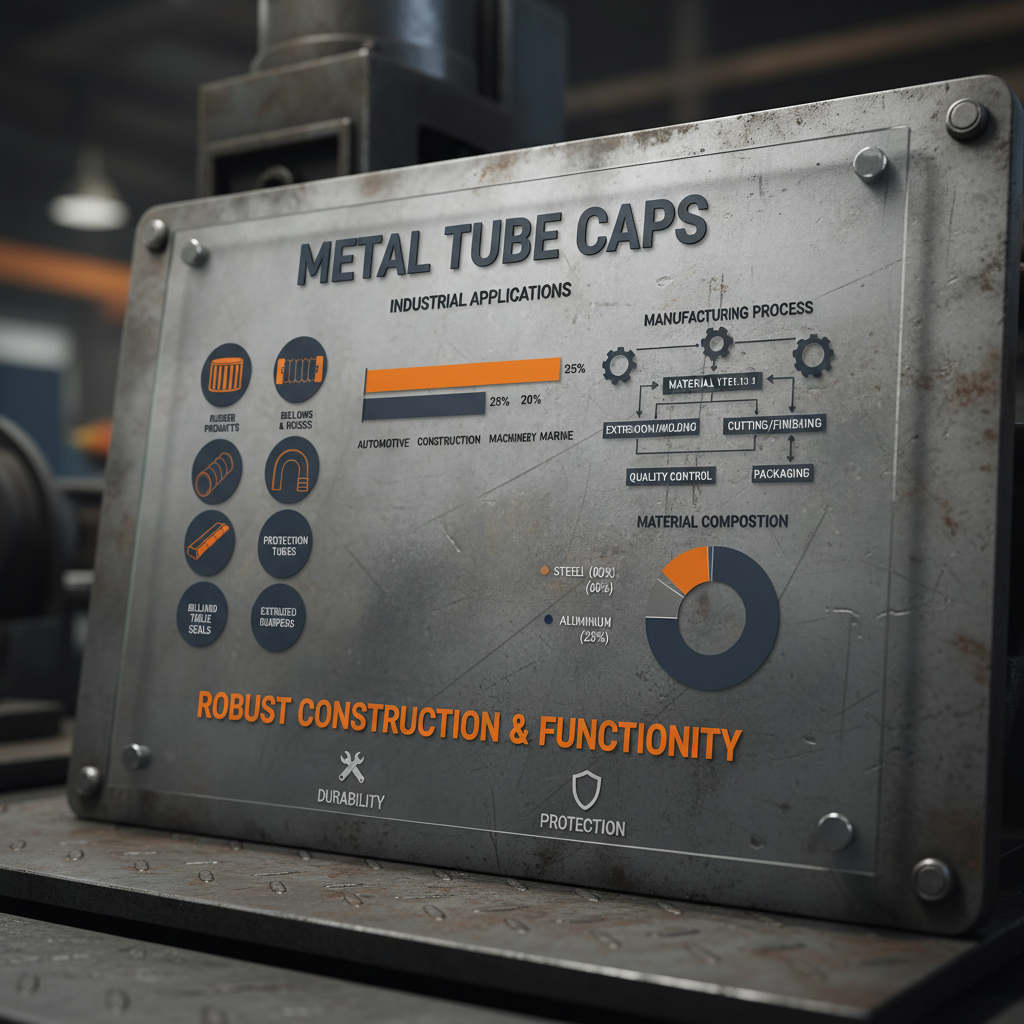
Choosing the Right Metal Tube Cap: Key Considerations
Selecting the ideal metal tube cap requires careful consideration of several factors. The tube material dictates compatibility. The application environment determines the necessary corrosion resistance. The required sealing level dictates the cap type (welded, crimped, etc.). Furthermore, cost constraints and production volume influence material selection. Working with a reputable supplier like FY Gasket can help navigate these complexities and ensure you receive the optimal solution for your needs.
Conclusion: Secure Your Products with Quality Metal Tube Caps
Investing in high-quality metal tube caps is a smart choice for ensuring product integrity, protecting against contamination, and extending the lifespan of your components. With a wide range of materials and types available, finding the perfect solution for your application is achievable. Partnering with a reliable supplier like FY Gasket ensures you receive expert guidance and consistently high-quality products.
Frequently Asked Questions (FAQs)
What is the typical lead time for custom metal tube caps?
Lead times for custom metal tube caps vary depending on the complexity of the design, the material selected, and the order volume. Generally, standard orders can be fulfilled within 2-4 weeks, while more complex or large-scale orders may require 6-8 weeks. We at FY Gasket pride ourselves on efficient production and strive to deliver custom orders as quickly as possible without compromising quality. Providing detailed specifications upfront will help expedite the process.
Can metal tube caps be coated for additional protection?
Yes, metal tube caps can be coated with various materials to enhance corrosion resistance, improve aesthetics, or provide specific functionalities. Common coatings include powder coating, zinc plating, and epoxy coating. The choice of coating depends on the application environment and the desired level of protection. Coatings can significantly extend the lifespan of the caps, especially in harsh environments.
What industries commonly use stainless steel metal tube caps?
Stainless steel metal tube caps are extensively used in industries requiring high levels of hygiene, corrosion resistance, and durability. These include the pharmaceutical, food and beverage, medical device, and chemical processing industries. Their ability to withstand harsh cleaning agents and corrosive substances makes them ideal for these demanding applications.
Do you offer different sizes and shapes of metal tube caps?
Absolutely! We offer a vast range of sizes and shapes to accommodate various tube dimensions and geometries. We can manufacture caps to your exact specifications, including custom diameters, lengths, and wall thicknesses. We also offer a variety of shapes, including round, square, and hexagonal caps. Contact us with your requirements, and we'll work with you to create the perfect solution for your application.
-
Guide to Choosing a High Quality Stainless Steel Pipe CapNewsApr.16,2026
-
Premium Durable Aluminum Post Caps 4x4 for Outdoor StructuresNewsApr.09,2026
-
Comprehensive Guide to Choosing the Right Sheet Metal Chimney Cap for Your HomeNewsApr.07,2026
-
Comprehensive Guide to Metal Pipe Caps Types Materials and ApplicationsNewsApr.04,2026
-
Comprehensive Guide to Durable Galvanised Steel Capping SolutionsNewsMar.28,2026
-
Comprehensive Guide to Selecting the Right End Caps for Metal Tubing ApplicationsNewsMar.26,2026
-
Enhance Your Outdoor Space with Durable 2x2 Aluminum Post Cap LightsNewsMar.24,2026


- Mob: +86 0312-2911666/+86 0312-2911318
- Fax: 0312-2911511
- Email: rubber@hbfengye.com/
- Add: No. 228 North Street, Gaobeidian City, Hebei Province


