


Comprehensive Guide to Choosing the Right Sheet Metal Chimney Cap for Your Home
Choosing the Right Sheet Metal Chimney Cap: A Comprehensive Guide
A properly installed sheet metal chimney cap is crucial for maintaining the integrity and safety of your chimney. It prevents water damage, keeps out debris and animals, and ensures proper ventilation. This article will cover everything you need to know about sheet metal chimney caps, from materials and styles to installation and maintenance. Understanding the different options available will help you choose the best cap for your specific chimney and protect your home from potential hazards. FY Gasket offers a variety of high-quality chimney caps designed for long-lasting protection.
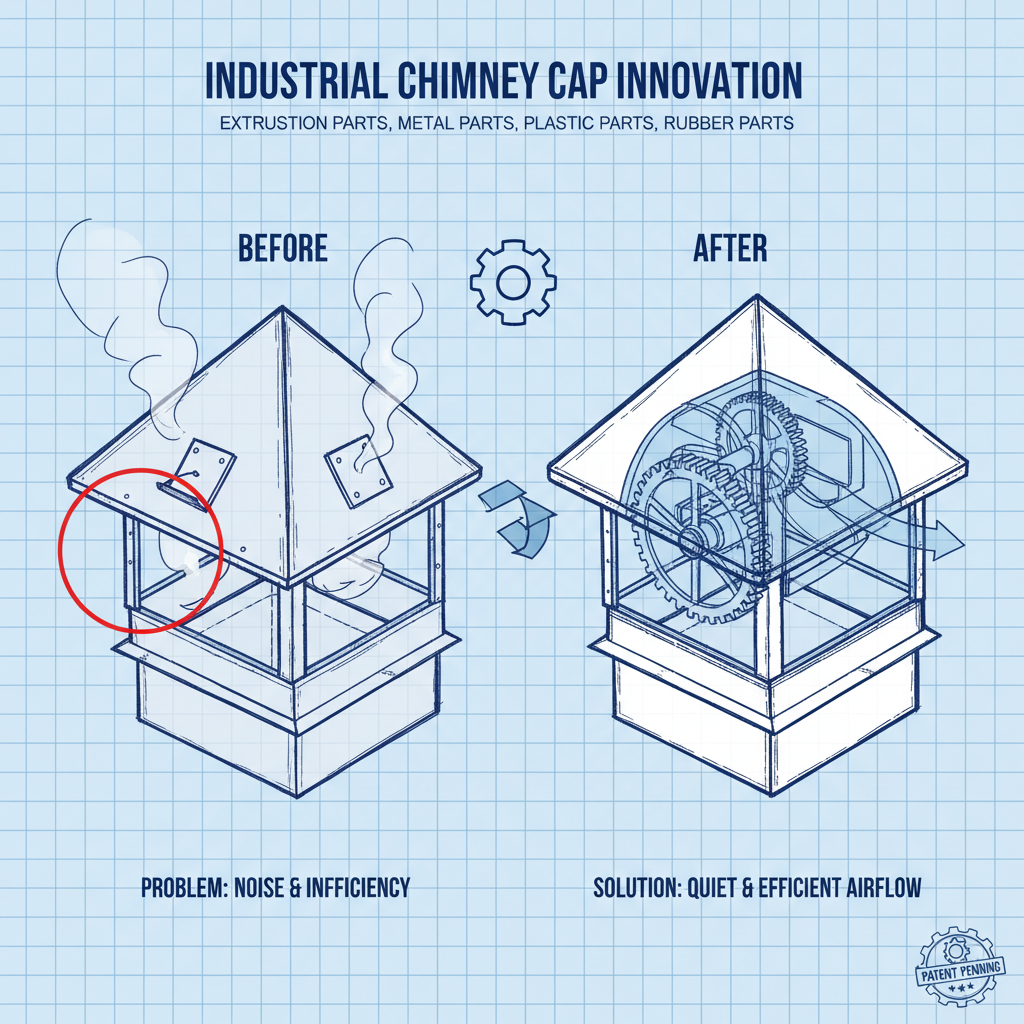
Materials Used in Sheet Metal Chimney Caps
Sheet metal chimney caps are typically made from galvanized steel, stainless steel, or copper. Each material offers different levels of durability, corrosion resistance, and cost. Galvanized steel is the most affordable option, but it's susceptible to rust over time, especially in coastal environments. Stainless steel provides excellent corrosion resistance and a longer lifespan, making it a popular choice. Copper is the most durable and aesthetically pleasing material, offering exceptional longevity and a classic look, though it comes with a higher price tag. The best material for you depends on your budget, climate, and desired appearance. FY Gasket utilizes high-quality stainless steel in many of its chimney cap designs.
Key Takeaway: Stainless steel offers a balance of durability, corrosion resistance, and cost, making it a versatile choice for most homeowners.
Different Styles of Sheet Metal Chimney Caps
Several styles of sheet metal chimney caps are available, each designed to offer specific benefits. Single-flue caps cover a single chimney opening, while multi-flue caps cover multiple openings. Round caps are common for round chimneys, while square or rectangular caps are used for corresponding chimney shapes. Top-sealing caps provide the best protection against water intrusion by completely covering the chimney top, while wind directional caps are designed to harness the wind to improve draft. Choosing the right style ensures optimal protection and performance for your chimney. FY Gasket provides custom options to suit unique chimney configurations.
Style Considerations:
• Single-flue vs. Multi-flue
• Round, Square, or Rectangular
• Top-Sealing vs. Wind Directional
Sheet Metal Chimney Cap: Comparative Analysis
Understanding the trade-offs between different chimney cap materials is crucial for making an informed decision. The following table provides a comparison of galvanized steel, stainless steel, and copper.
Proper Installation is Key to Longevity
Even the best sheet metal chimney cap won't function correctly if it's not installed properly. Ensure the cap fits snugly over the chimney flue and is securely fastened to prevent it from shifting or blowing off in strong winds. Sealing any gaps between the cap and the chimney is crucial to prevent water intrusion. For complex installations, it's always recommended to hire a qualified professional. FY Gasket offers installation guidance and support.
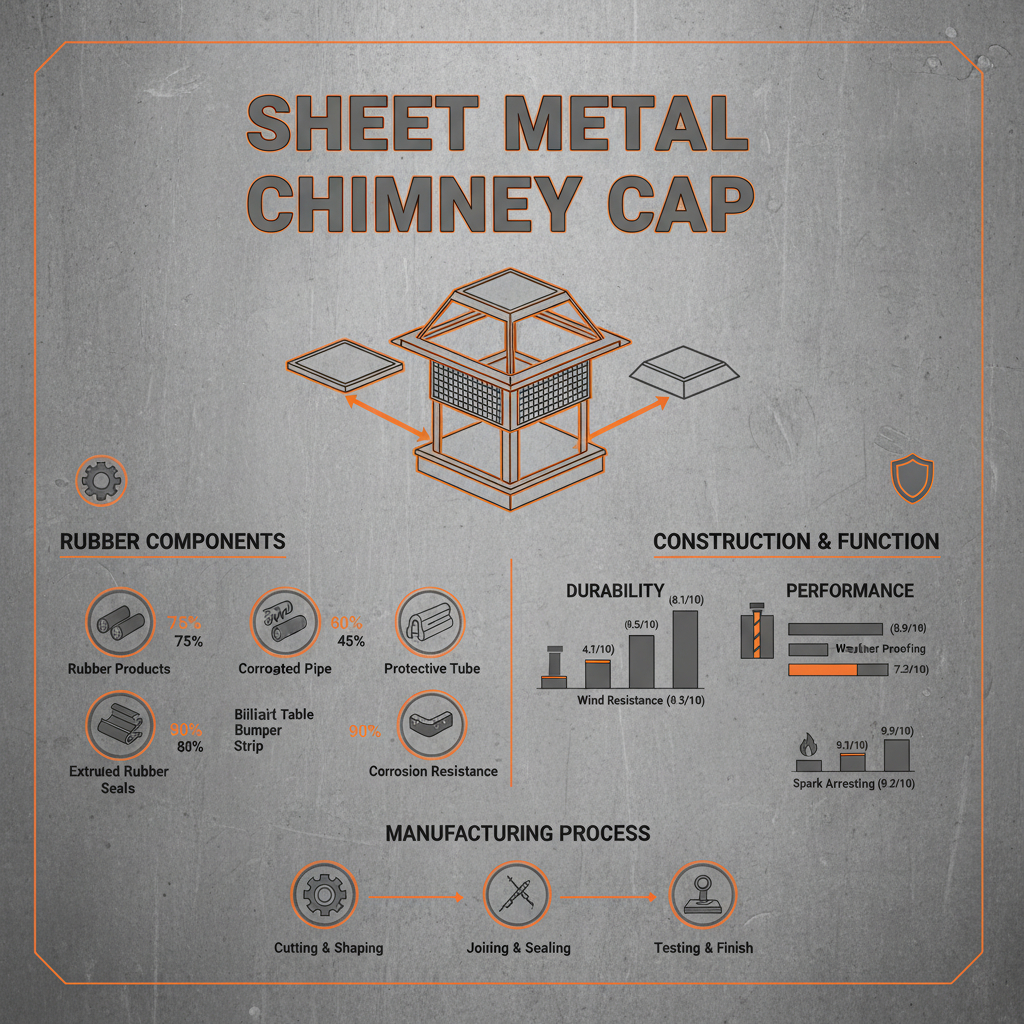
Maintenance and Inspection
Regular inspection and maintenance are essential for prolonging the life of your chimney cap. Inspect the cap annually for signs of rust, corrosion, or damage. Clean away any debris that may accumulate on the cap, and ensure all fasteners are tight. Addressing minor issues promptly can prevent them from escalating into more costly repairs. FY Gasket’s products are designed for easy maintenance and long-term performance.
Conclusion: Protect Your Home with a Quality Chimney Cap
Choosing the right sheet metal chimney cap is a vital investment in the long-term health and safety of your home. By considering the material, style, installation, and maintenance requirements, you can ensure that your chimney remains protected from the elements and operates efficiently. FY Gasket offers a wide selection of high-quality chimney caps to meet your specific needs.
Frequently Asked Questions (FAQs)
What is the best material for a chimney cap in a coastal environment?
For coastal environments, stainless steel or copper are the best choices. The high salt content in the air can accelerate corrosion of galvanized steel. Stainless steel offers excellent corrosion resistance at a reasonable cost, while copper is the most durable but also the most expensive option. It's important to choose a material that can withstand the harsh conditions and provide long-lasting protection for your chimney.
How often should I replace my chimney cap?
The lifespan of a chimney cap depends on the material and environmental conditions. Galvanized steel caps typically need replacing every 5-10 years, while stainless steel caps can last 15-20 years or longer. Copper caps can potentially last a lifetime. Regular inspections are crucial to identify any signs of damage or corrosion that may necessitate replacement. It's better to replace a damaged cap proactively than to risk water damage to your chimney and home.
Can I install a chimney cap myself?
While some homeowners may be comfortable installing a chimney cap themselves, it's generally recommended to hire a qualified professional. Proper installation is crucial to ensure the cap is secure and effectively prevents water intrusion. A professional will have the necessary tools and expertise to install the cap correctly and safely. Improper installation can lead to leaks and other problems that could damage your chimney and home.
What are the benefits of a top-sealing chimney cap?
A top-sealing chimney cap provides the most comprehensive protection against water intrusion. It completely covers the chimney opening, preventing rain, snow, and debris from entering. This is particularly important in areas with heavy rainfall or snowfall. Top-sealing caps also help to prevent downdrafts and improve the efficiency of your chimney.
-
Guide to Choosing a High Quality Stainless Steel Pipe CapNewsApr.16,2026
-
Premium Durable Aluminum Post Caps 4x4 for Outdoor StructuresNewsApr.09,2026
-
Comprehensive Guide to Metal Pipe Caps Types Materials and ApplicationsNewsApr.04,2026
-
Comprehensive Guide to Metal Tube Caps for Industrial ApplicationsNewsMar.31,2026
-
Comprehensive Guide to Durable Galvanised Steel Capping SolutionsNewsMar.28,2026
-
Comprehensive Guide to Selecting the Right End Caps for Metal Tubing ApplicationsNewsMar.26,2026
-
Enhance Your Outdoor Space with Durable 2x2 Aluminum Post Cap LightsNewsMar.24,2026


- Mob: +86 0312-2911666/+86 0312-2911318
- Fax: 0312-2911511
- Email: rubber@hbfengye.com/
- Add: No. 228 North Street, Gaobeidian City, Hebei Province


