Plastic drain pipes and fittings are essential components of modern infrastructure, quietly enabling the safe and efficient removal of wastewater in residential, commercial, and industrial settings. Their prevalence is often overlooked, yet they represent a critical aspect of public health and environmental protection. From the simple drainage in your kitchen sink to the complex systems beneath sprawling cities, these pipes and fittings play a vital role in maintaining sanitation and preventing disease. Understanding their properties, applications, and future trends is paramount for engineers, builders, and policymakers alike.
The global demand for plastic drain pipes and fittings is driven by rapid urbanization, population growth, and increasing awareness of sanitation standards. According to UN-Habitat, over half the world’s population now lives in urban areas, a figure projected to reach 68% by 2050. This growth necessitates significant investment in water and sanitation infrastructure, where plastic piping systems offer a cost-effective and reliable solution. Furthermore, the need to address water scarcity and reduce waterborne illnesses underscores the importance of leak-proof and durable drainage systems.
The widespread adoption of plastic drain pipes and fittings isn't merely a matter of convenience; it’s a cornerstone of modern public health. Traditional materials like cast iron are susceptible to corrosion, leading to leaks and contamination. Plastic alternatives, particularly PVC, HDPE, and PP, offer superior resistance to corrosion, lighter weight for easier installation, and a smoother inner surface that reduces friction and improves flow rates. This translates to longer-lasting infrastructure, reduced maintenance costs, and a healthier environment.
The Significance of Plastic Drain Pipes and Fittings
Plastic drain pipes and fittings are more than just conduits for wastewater; they’re foundational elements of a sustainable and healthy environment. They contribute to the prevention of waterborne diseases, the conservation of water resources, and the long-term resilience of infrastructure. The efficient removal of wastewater is directly linked to improved public health outcomes, especially in densely populated areas where sanitation challenges are most acute.
Their lightweight nature and ease of installation reduce labor costs and project timelines, making them an economically attractive option for both large-scale infrastructure projects and smaller residential applications. Furthermore, the durability and corrosion resistance of plastic materials minimize the need for frequent repairs and replacements, resulting in long-term cost savings and reduced environmental impact.
Understanding Plastic Drain Pipes and Fittings
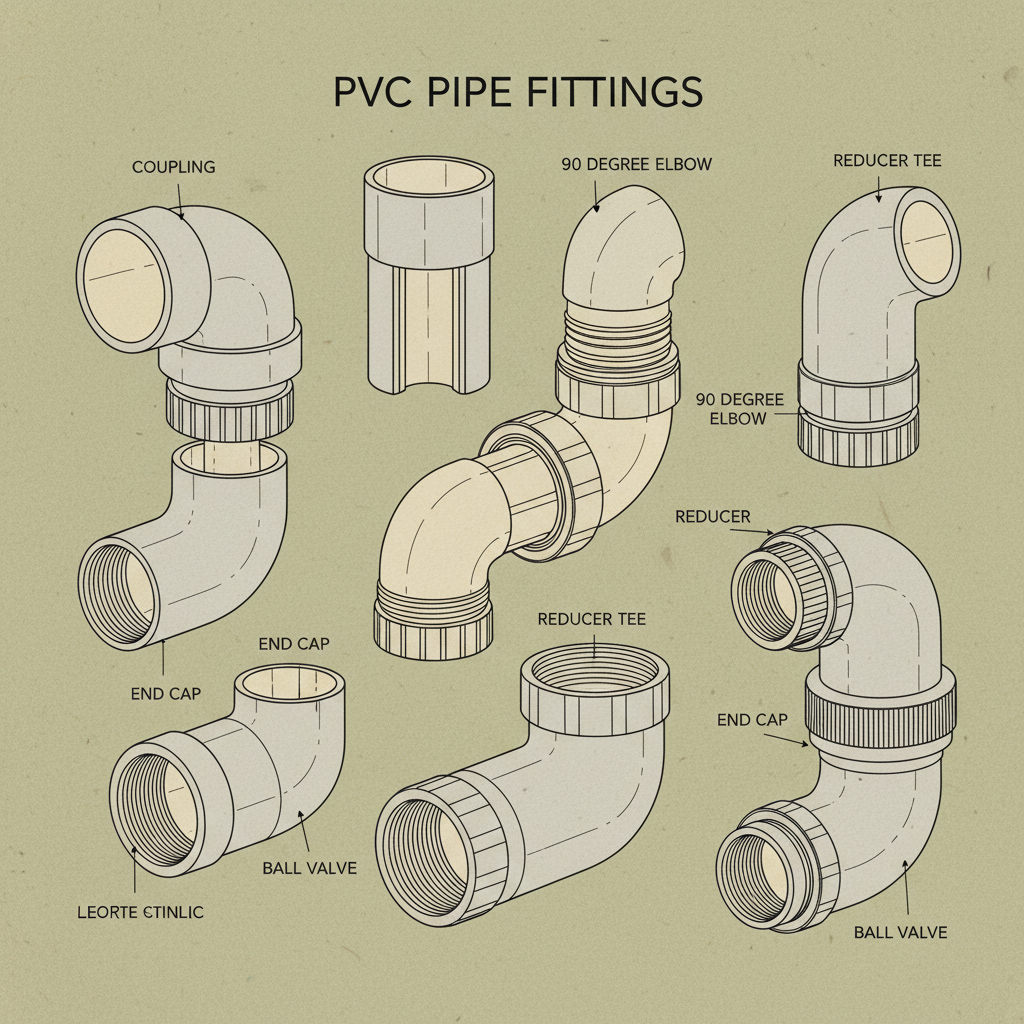
Plastic drain pipes and fittings encompass a variety of components used to create effective wastewater drainage systems. These systems typically include straight pipes for conveying wastewater, elbows and tees for directing flow, couplings for joining pipes together, and traps for preventing sewer gases from entering buildings. The fittings are critical for creating a watertight and secure connection, ensuring the integrity of the entire system.
The materials used in plastic drain pipes and fittings are carefully selected for their specific properties. Polyvinyl Chloride (PVC) is a common choice due to its affordability and versatility. High-Density Polyethylene (HDPE) offers excellent chemical resistance and flexibility. Polypropylene (PP) is known for its high temperature tolerance. The specific material chosen depends on the application, the type of wastewater being conveyed, and the local regulations.
These components are integral to modern sanitation systems, connecting homes, businesses, and industrial facilities to centralized wastewater treatment facilities. Their proper installation and maintenance are essential for protecting public health and the environment, preventing blockages, leaks, and potential contamination of water sources. Modern plastic drain pipes and fittings are designed for longevity and reliability, minimizing the need for costly repairs and replacements.
Key Properties of Plastic Drain Pipes and Fittings
One of the most significant properties of plastic drain pipes and fittings is their exceptional corrosion resistance. Unlike metal pipes, plastic materials don’t rust or corrode, even when exposed to harsh chemicals and acidic wastewater. This translates to a longer lifespan, reduced maintenance costs, and a more reliable system. This resistance is particularly crucial in environments with aggressive soil conditions or high levels of industrial pollutants.
Another key advantage is their lightweight nature. Plastic pipes are significantly lighter than traditional metal pipes, making them easier to handle, transport, and install. This reduces labor costs and speeds up project completion times. The reduced weight also simplifies installation in challenging locations, such as underground or in confined spaces.
Furthermore, plastic pipes offer a smooth inner surface, which minimizes friction and improves flow rates. This reduces energy consumption in pumping systems and prevents the build-up of debris and blockages. The smooth surface also reduces the risk of bacterial growth, contributing to a cleaner and more hygienic drainage system. Understanding these properties is key to selecting the right material for a specific application.
Global Applications of Plastic Drain Pipes and Fittings
Plastic drain pipes and fittings are utilized across a broad spectrum of applications worldwide. In residential construction, they form the backbone of plumbing systems, efficiently removing wastewater from sinks, showers, toilets, and washing machines. Commercial buildings, such as hotels, hospitals, and office complexes, rely on these systems to handle larger volumes of wastewater generated by multiple users.
Industrial facilities, including manufacturing plants and processing facilities, often require specialized drainage systems to handle corrosive chemicals and heavy industrial waste. Plastic pipes, particularly HDPE and PP, are well-suited for these demanding applications. In agricultural settings, plastic drainage pipes are used for irrigation systems, field drainage, and livestock waste management.
Comparison of Plastic Drain Pipes and Fittings Methods
Advantages and Long-Term Value
The advantages of utilizing plastic drain pipes and fittings extend beyond immediate cost savings. The inherent durability and resistance to corrosion translate to reduced maintenance and replacement costs over the lifespan of the system. This represents a significant long-term economic benefit for homeowners, businesses, and municipalities.
From a sustainability perspective, plastic pipes often have a lower carbon footprint compared to traditional materials like cast iron or concrete. Their lighter weight reduces transportation costs and energy consumption. Furthermore, many plastic materials are recyclable, contributing to a circular economy and minimizing waste. Investing in robust plastic drainage systems is a proactive step toward environmental responsibility.
Future Trends in Plastic Drain Pipes and Fittings
The future of plastic drain pipes and fittings is poised for innovation, driven by advancements in materials science and a growing emphasis on sustainability. Research is underway to develop bio-based plastics derived from renewable resources, offering a more environmentally friendly alternative to traditional petroleum-based plastics. These bioplastics retain the desirable properties of conventional plastics while reducing reliance on fossil fuels.
Smart drainage systems, incorporating sensors and data analytics, are also emerging. These systems can monitor flow rates, detect leaks, and predict potential blockages, enabling proactive maintenance and preventing costly repairs. The integration of digital technologies will enhance the efficiency and reliability of drainage infrastructure. Further exploration into enhanced polymer blends will yield pipes with even greater strength and resistance to extreme conditions.
Challenges and Solutions in Plastic Drainage Systems
Despite their many advantages, plastic drainage systems face certain challenges. One common issue is the potential for deformation or cracking under extreme temperatures or heavy loads. To address this, manufacturers are developing new formulations and reinforcement techniques to enhance the structural integrity of plastic pipes. Another challenge is the potential for blockages caused by the accumulation of debris.
Proper installation and regular maintenance are crucial for preventing blockages and ensuring the long-term performance of plastic drainage systems. Utilizing appropriate filters and traps can effectively capture debris before it enters the pipes. Additionally, advancements in pipe design, such as smoother inner surfaces and optimized flow geometries, can minimize the risk of blockage formation.
Effective solutions involve a combination of material innovation, careful installation practices, and proactive maintenance strategies. Utilizing plastic drain pipes and fittings with enhanced properties, combined with responsible usage and upkeep, will ensure a sustainable and reliable drainage infrastructure for generations to come.
Summary of Solutions for Common Challenges in Plastic Drainage Systems
| Challenge |
Root Cause |
Solution Strategy |
Implementation Details |
| Pipe Deformation |
Extreme temperatures or loads |
Enhanced polymer formulations |
Utilizing materials with higher heat deflection temperatures and impact resistance. |
| Blockages |
Accumulation of debris |
Installation of filters and traps |
Strategically placed filters to capture solids and grease. |
| Joint Leaks |
Improper sealing or material degradation |
Improved fitting designs and sealants |
Utilizing rubber gaskets and compression fittings for a watertight seal. |
| UV Degradation |
Prolonged exposure to sunlight |
UV-resistant plastic formulations |
Incorporating UV stabilizers into the plastic composition. |
| Corrosion from Chemicals |
Exposure to aggressive chemicals |
Chemical-resistant pipe materials |
Selecting HDPE or PP pipes for applications involving harsh chemicals. |
| Noise Transmission |
Water flow creating vibrations |
Sound dampening pipe insulation |
Wrapping pipes with sound-absorbing materials to reduce noise levels. |
FAQS
The most common plastics used for drain pipes are PVC (Polyvinyl Chloride), HDPE (High-Density Polyethylene), and PP (Polypropylene). PVC is widely used for its affordability and versatility in residential applications. HDPE is favored for its superior chemical resistance and flexibility, making it ideal for industrial and underground drainage. PP offers high temperature tolerance and is often used in specialized applications.
Selecting the appropriate pipe size is crucial for efficient drainage. Consider the volume of wastewater expected, the length of the pipe run, and the slope of the drainage system. Larger diameter pipes can handle greater volumes but may require more excavation. Consult local plumbing codes and regulations for specific sizing requirements and seek advice from a qualified plumbing professional.
Plastic drain pipes offer several environmental advantages compared to traditional materials. They are lightweight, reducing transportation energy, and highly durable, minimizing the need for frequent replacements. Many plastic materials are recyclable, and research is ongoing to develop bio-based plastics from renewable sources. However, responsible disposal and recycling practices are essential to minimize environmental impact.
Proper connection is critical to prevent leaks. The connection method depends on the type of plastic and fitting. PVC pipes are often joined using solvent cement, which chemically bonds the surfaces together. HDPE pipes can be fusion-welded for a strong and leak-proof connection. Always follow the manufacturer's instructions and use appropriate tools and safety precautions.
The lifespan of a plastic drain pipe system can vary depending on the material, installation quality, and environmental conditions. Generally, PVC pipes can last 50 years or more, while HDPE and PP pipes can have even longer lifespans. Regular inspection and maintenance can help extend the lifespan of the system by identifying and addressing potential issues before they escalate.
Preventing blockages involves several strategies. Avoid pouring grease, oil, or other debris down the drain. Install strainers in sinks and showers to catch hair and food particles. Periodically flush the system with hot water to help dissolve any buildup. Consider using enzyme-based drain cleaners to break down organic matter without damaging the pipes.
Conclusion
In conclusion, plastic drain pipes and fittings are indispensable components of modern infrastructure, offering a compelling combination of durability, cost-effectiveness, and environmental benefits. Their versatility allows them to serve a wide range of applications, from residential plumbing to large-scale industrial drainage systems. Understanding the properties, applications, and future trends of these systems is crucial for professionals and consumers alike.
Looking ahead, continued innovation in materials science and digital technologies will further enhance the performance and sustainability of plastic drainage systems. By embracing these advancements and adopting responsible installation and maintenance practices, we can ensure a reliable and efficient wastewater management infrastructure for generations to come. For high-quality plastic drain pipes and fittings and expert advice, visit our website today.