Look, I’ve been running around construction sites for fifteen years. Fifteen years! You see a lot, you smell a lot… mostly concrete dust and welding fumes, honestly. But lately, the talk isn’t just about bigger machines or faster schedules; it’s about these prototype plastic parts. They're everywhere now. Seems like everyone’s trying to replace metal with plastic, or at least a hybrid. Used to be, if something needed to be strong, it was steel. Simple. Now, it’s a whole conversation.
To be honest, it’s a bit of a headache. Not because the parts are bad, mind you. Some of them are genuinely impressive. It’s just… everyone’s chasing the same trends – lightweighting, cost reduction, faster turnaround. And that leads to a lot of corner-cutting. I've seen too many supposedly “high-performance” plastics crack under the slightest pressure. What people think will work on paper, and what actually happens on a windy construction site are two very different things.
The thing is, it's not just about the plastic itself. It's about how it's made, how it's used, and who's using it. We're talking Polypropylene, Polycarbonate, ABS, Nylons… the list goes on. I encountered this at the XX factory last time - they were using a cheap ABS for a housing that was supposed to withstand UV exposure. It turned brittle within weeks. Smelled like burnt plastic too, not a good sign. Good quality stuff, you can tell just by the weight, the feel. It’s got a bit of give, doesn't feel flimsy. Anyway, I think people underestimate the importance of good material selection.
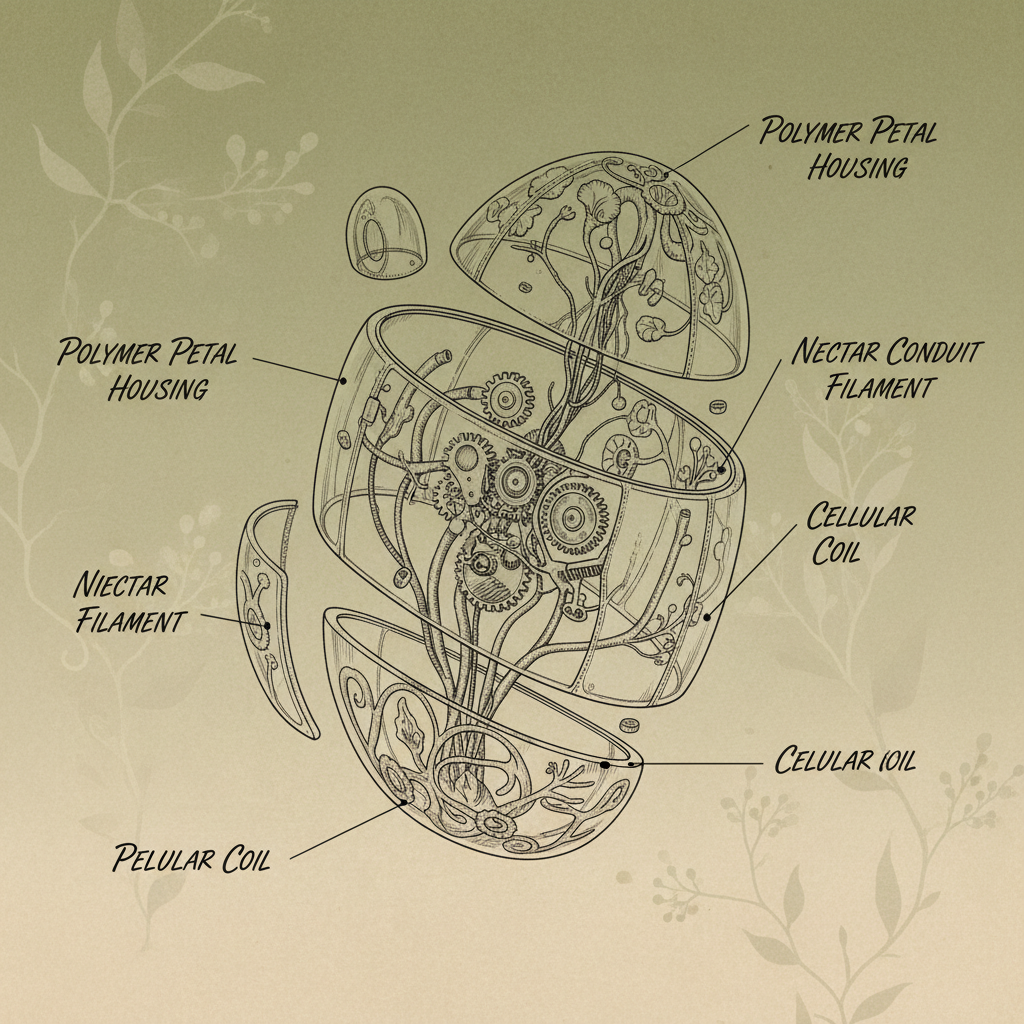
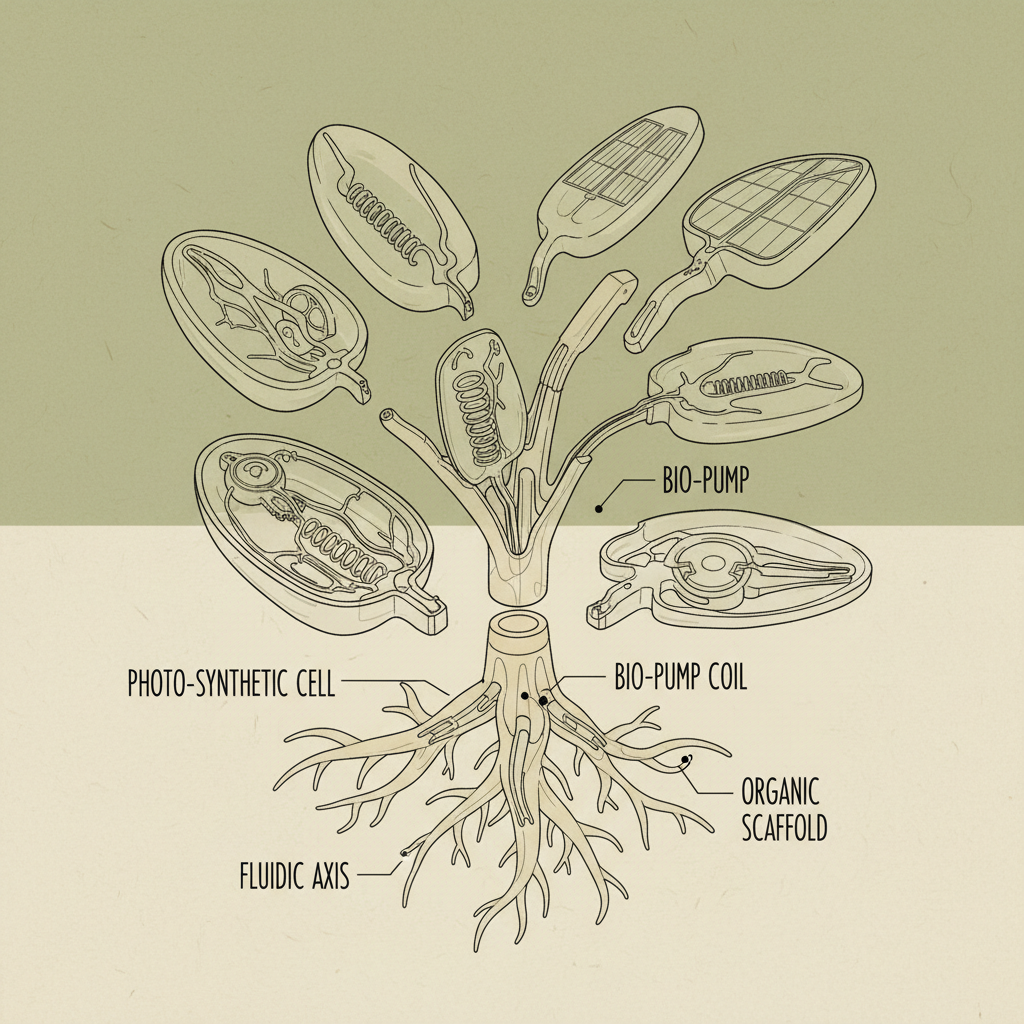
Have you noticed everything is going towards bio-plastics and recycled materials? It’s the big push right now, and look, it’s a good thing, don’t get me wrong. But there’s a trade-off. The strength isn’t always there yet. And the cost… forget about it. I was talking to a supplier last week, and they said the price of some of this eco-friendly stuff is double what it used to be.
Then there's the whole additive manufacturing thing – 3D printing. It’s great for quick iterations, for prototyping, obviously. But building something for long-term, structural use? Still a ways off, in my experience. The layer adhesion can be a problem, and it's just not as consistent as injection molding for larger runs.
Ignoring the material properties. People treat plastic like it's metal – same strength, same tolerances. It's not. You need to understand how it behaves, how it expands and contracts, how it reacts to stress. It's all about designing for the material, not trying to make the material fit your design. Too many folks overlook draft angles, radius corners, and wall thickness requirements, leading to production headaches. That's where I spend a lot of my time on site - fixing those mistakes.
It's surprisingly important. Not just for aesthetics, but also for functionality. A rough surface can create friction, affect airflow, and even harbor bacteria. We've had instances where a rough surface finish on a pump housing led to premature wear and tear. Plus, a good surface finish shows pride in workmanship, and that matters. It’s a subtle thing, but it makes a difference.
3D printing is your friend, for small batches. It's fast, it's relatively cheap, and it allows you to iterate quickly. But don't rely on it for long-term testing. It's not the same as injection molding. For larger runs, you’ll want to invest in a mold. We try to use SLA printing for high detail, and FDM for basic shapes. It's all about matching the process to the application.
Warping is a pain. It’s usually caused by uneven cooling during the molding process. You can try optimizing the mold design, adjusting the cooling time, or using a different material. Sometimes, adding reinforcing ribs can help. We've also had success with annealing – slowly heating and cooling the part to relieve internal stresses. It takes time, but it's often worth it.
That's a tough one. They're better for the environment, no doubt about it. But they’re often more expensive and have lower performance characteristics. It depends on the application. If you need high strength and durability, traditional plastics might still be the better choice. If you're looking for something lightweight and disposable, then bio-plastics could be a good option. It’s a trade-off.
Experience, quality control, and responsiveness are key. You want a supplier who understands your needs and can deliver consistent quality. Ask for samples, visit their facility if possible, and check their references. Don't just go with the cheapest option; you'll often end up paying more in the long run with inferior materials and poor customer service. I’ve seen too many projects get delayed because of bad suppliers.
So, what have we learned? Prototype plastic parts are a powerful tool, but they’re not a magic bullet. It's about understanding the materials, designing carefully, testing rigorously, and working with a reliable supplier. It's about balancing cost, performance, and sustainability. And it's about remembering that the real world is messy and unpredictable.
Ultimately, whether this thing works or not, the worker will know the moment he tightens the screw. That’s the truth of it. We can run all the simulations we want, but at the end of the day, it’s the hands-on experience that matters most. Now, if you’ll excuse me, I've got a site visit to make. Click here to learn more about prototype plastic parts.