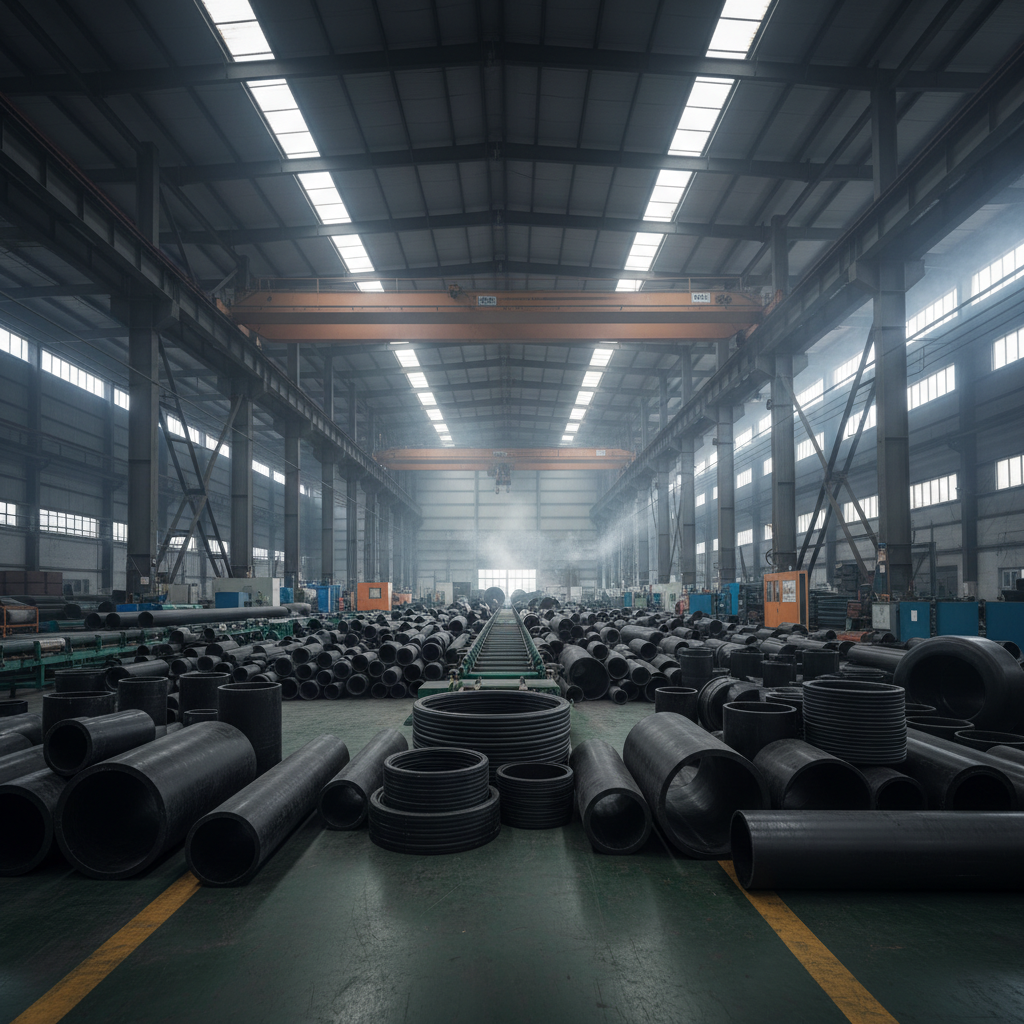
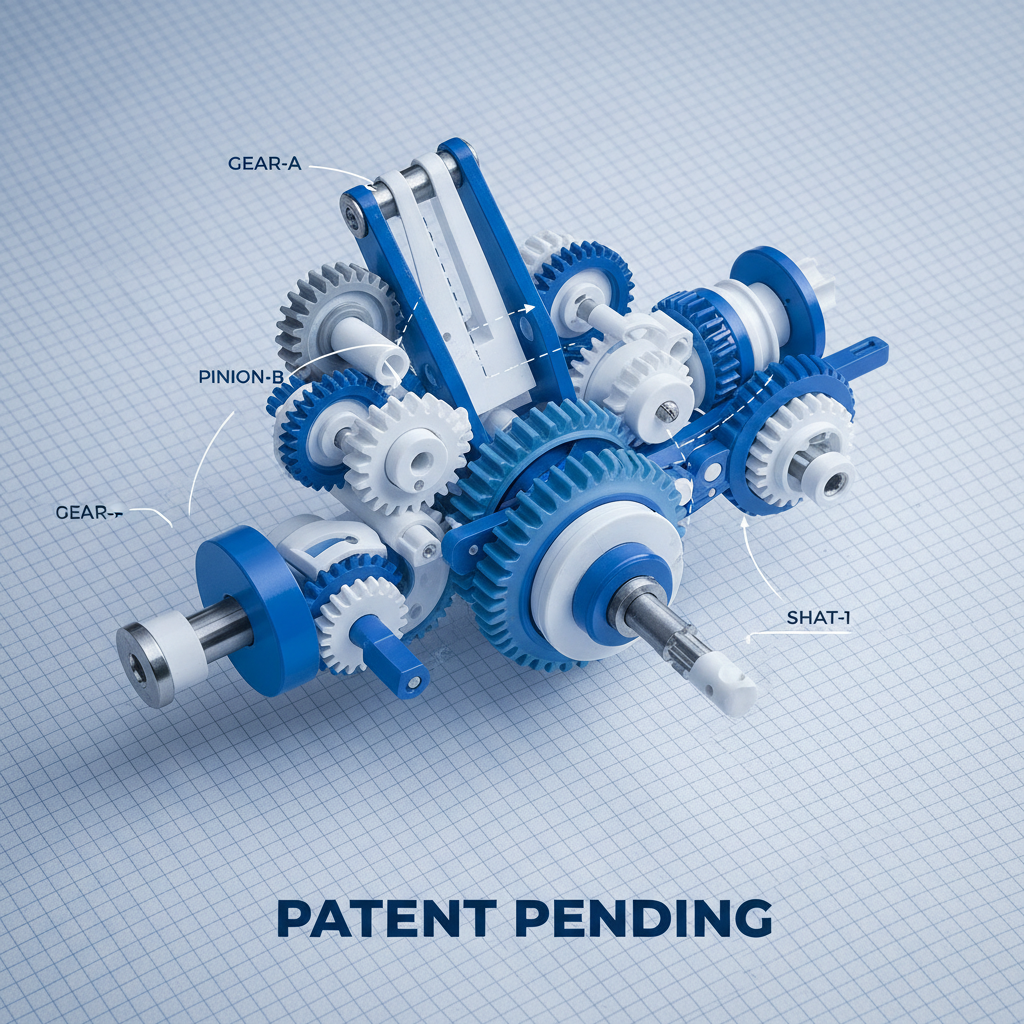
Honestly, things are moving fast these days. Everyone’s talking about modular design, prefabrication… you go to a site now, and it’s less hammering and more forklift movements. It's all about speed, you know? Faster build times, lower costs. But I've seen it fall apart so many times. People chase speed and forget the details.
Have you noticed how everyone wants everything “smart” now? Smart bolts, smart washers… I mean, come on. A bolt is a bolt. The real trick is making sure it’s the right bolt. Seems simple, but believe me, it’s not. I encountered this at a factory in Ningbo last time – they were using a batch of steel that looked okay on paper, but the weld points were… questionable. You could smell the impurities, even.
We deal with a lot of different metals, obviously. 304 stainless, the workhorse. It’s got a good feel to it, kind of smooth and cool. Then you’ve got your carbon steel, that’s… well, it’s rougher. Smells like metal, obviously. And the aluminum alloys… those are tricky. Some are soft, some are brittle. You have to know how to handle them, or you’ll dent them just looking at them. We're shifting more towards higher-grade alloys, the 7075 series mostly, because of the strength-to-weight ratio. It makes a difference, especially on larger projects.
The Current Landscape of Metal Parts
I tell you what, the demand for high-strength, lightweight metal parts is just… exploding. It's driven by everything from aerospace to electric vehicles. Everyone wants efficiency, and metal is still king when it comes to structural integrity. But it's not just about the metal itself, it's about the manufacturing processes. Precision machining, additive manufacturing... it's all getting more sophisticated. Strangely, though, sometimes simpler is better. I saw a project where they over-engineered a bracket, and it actually failed faster because of stress concentration.
And the supply chain... don't even get me started. It's a mess. Lead times are getting longer, prices are fluctuating. You gotta build relationships with your suppliers, know their capabilities. It’s not just about getting the lowest price, it’s about reliability. Otherwise, you're left scrambling when your shipment doesn't show up.
Design Pitfalls and Common Mistakes
The biggest mistake I see? Ignoring tolerances. Engineers design on computers, everything looks perfect. But metal bends, welds warp, things shift during manufacturing. If you don’t account for that, you’re going to have problems. Especially with complex assemblies. Another one is underestimating the effects of corrosion. Even stainless steel can corrode in certain environments. You gotta pick the right grade, apply the right coatings.
And then there's the whole issue of weight optimization. Everyone wants lighter parts, but you can’t just start drilling holes willy-nilly. You gotta understand the load paths, the stress distribution. It's a science. I remember one time, a young engineer designed a bracket that was too thin… it snapped during testing. He was mortified. It's a good lesson to learn early.
Honestly, it all comes down to experience. You gotta have someone on the team who's been around the block a few times, who’s seen things go wrong, and knows how to avoid those pitfalls. It’s not something you can learn from a textbook.
Material Deep Dive: Beyond the Specs
You can look at a datasheet all day, but it doesn't tell you how the metal behaves in the real world. For instance, 6061 aluminum is great for machining, but it’s not the strongest. 7075 is stronger, but it's a pain to work with. And then you’ve got titanium… expensive, but worth it when you need that ultimate strength-to-weight ratio. I’ve seen it used in everything from bicycle frames to aircraft components.
The surface finish matters, too. A rough surface can create stress concentrators, leading to premature failure. Polishing, anodizing, coating… these are all important steps. And you gotta consider the environment. If the part is going to be exposed to saltwater, you need a corrosion-resistant coating. We've been experimenting with some new ceramic coatings that seem pretty promising.
What people often forget is the heat treatment. It drastically changes the properties of the metal. You can take the same alloy and get wildly different results depending on how it’s heat treated. It's a real art form. Later… forget it, I won't mention the time we got a bad batch of heat-treated steel. Still makes me shudder.
Real-World Testing and Validation
Lab testing is fine, but it doesn’t replicate the chaos of a construction site. We do a lot of destructive testing, of course. Tensile tests, fatigue tests, impact tests. But we also do field testing. We put the parts into actual use, monitor them for stress, corrosion, wear and tear. I've seen parts pass all the lab tests, and then fail spectacularly in the field.
One thing we started doing recently is using strain gauges. They tell you exactly how much stress a part is under. It's a great way to identify weak points in the design. And we’ve also been using digital image correlation, which allows us to measure deformation in real-time. It's pretty high-tech stuff.
Metal Parts Testing Results
How Users Actually Interact with Metal Parts
This is where it gets interesting. Engineers think about stresses and strains, but the guys on the ground? They just want it to fit and not break. They'll use whatever tools they have handy, sometimes that's a wrench, sometimes it's a hammer. They'll improvise, they’ll modify things. It’s not always pretty, but it gets the job done.
I saw a crew once use a metal part as a makeshift shim. It wasn't designed for that, but it solved the problem. You can't plan for everything. That’s why it’s important to design for robustness, not just for optimal performance.
Advantages, Disadvantages, and the Balancing Act
Metal, in general, is durable. It’s strong. It’s reliable. But it’s also heavy and can corrode. The challenge is finding the right balance. Sometimes, you can use a lighter material like aluminum, but you need to compensate for the lower strength with a more complex design. It's always a trade-off.
And don’t forget the cost. Titanium is amazing, but it's expensive. Steel is cheaper, but it’s heavier. You gotta consider the budget, the application, and the performance requirements. Anyway, I think there's always a sweet spot, but it takes experience to find it.
The biggest disadvantage? Rust. You can mitigate it, but you can't eliminate it. That's why maintenance is so important. Regular inspections, cleaning, and re-coating can extend the life of metal parts significantly.
Customization and Specific Applications
We get a lot of requests for custom parts. Sometimes it's just a matter of changing the dimensions, other times it's a complete redesign. Last month, that small boss in Shenzhen who makes smart home devices insisted on changing the interface to instead of the standard micro-USB. The result? They had to completely retool their manufacturing process and ended up delaying the product launch by three months. Lesson learned, I guess.
We're also seeing a growing demand for parts with integrated sensors. Things like strain gauges, temperature sensors, and accelerometers. It allows for real-time monitoring of performance and predictive maintenance. It's a game-changer.
And then there's additive manufacturing. 3D printing metal parts. It’s still expensive, but it allows for incredible design freedom. You can create parts with complex geometries that would be impossible to manufacture using traditional methods.
Summary of Metal Part Customization Analysis
| Customization Type |
Complexity Level (1-5) |
Cost Impact (1-5) |
Typical Lead Time (Weeks) |
| Dimensional Changes |
1 |
1 |
2 |
| Material Selection |
2 |
2 |
3 |
| Surface Treatment |
2 |
3 |
2 |
| Geometry Modification |
3 |
4 |
4 |
| Integrated Sensors |
4 |
5 |
6 |
| Additive Manufacturing |
5 |
5 |
8 |
FAQS
In harsh environments, corrosion, fatigue, and stress concentration are the usual suspects. Saltwater, extreme temperatures, and constant vibrations accelerate these processes. Choosing the right alloy, applying protective coatings, and designing for proper load distribution are crucial. We’ve seen a lot of failures due to improper welding procedures as well – a bad weld is always a weak point.
It depends! You gotta consider the strength requirements, weight limitations, corrosion resistance, and cost. Stainless steel is good for corrosion, aluminum for weight, titanium for strength… It’s a balancing act. Talk to a materials engineer. They can run simulations and recommend the best alloy for your needs. Don’t just pick something because it looks good on a datasheet.
We're looking at a lot of ceramic coatings, they offer exceptional wear resistance and corrosion protection. Plasma nitriding is another good option, it hardens the surface of the metal. And there’s also diamond-like carbon (DLC) coating, which is incredibly durable but expensive. The key is to find a treatment that’s tailored to the specific application and environment.
Strict quality control is essential. That means inspecting raw materials, monitoring the manufacturing process, and performing final inspections. We use coordinate measuring machines (CMMs) to verify dimensions. And we require our suppliers to provide certificates of conformity. It’s a lot of work, but it's worth it to avoid costly failures.
FEA is invaluable. It allows you to simulate how a part will behave under different loads and conditions. You can identify stress concentrations, predict deformation, and optimize the design before you even build a prototype. It saves a lot of time and money in the long run. But remember, FEA is only as good as the inputs – garbage in, garbage out.
DFM is about simplifying the design to make it easier and cheaper to manufacture. That means minimizing the number of features, using standard sizes and materials, and avoiding complex geometries. It also means working closely with the manufacturer throughout the design process. They can provide valuable insights into what’s feasible and what’s not. It’s a collaborative effort.
Conclusion
Ultimately, a metal part is only as good as its design, its materials, and its manufacturing process. You can have the fanciest software and the most advanced equipment, but if you don't understand the fundamentals, you're going to run into trouble. It’s a complex field, and there’s always something new to learn.
But at the end of the day, whether this thing works or not, the worker will know the moment he tightens the screw. And that’s what really matters. If it feels solid, if it fits right, and if it doesn’t break… then you’ve done your job. If you're looking for reliable metal parts for your next project, visit our website: fygasket.com