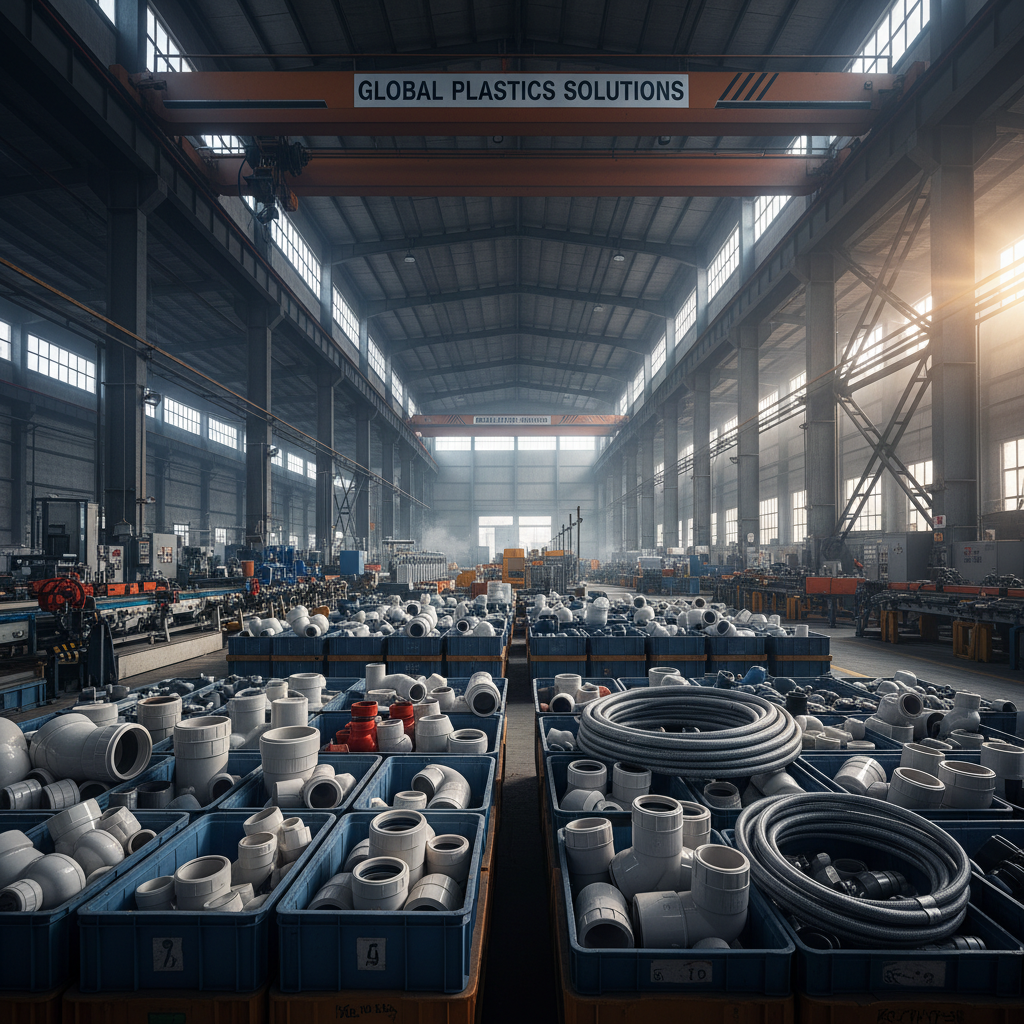
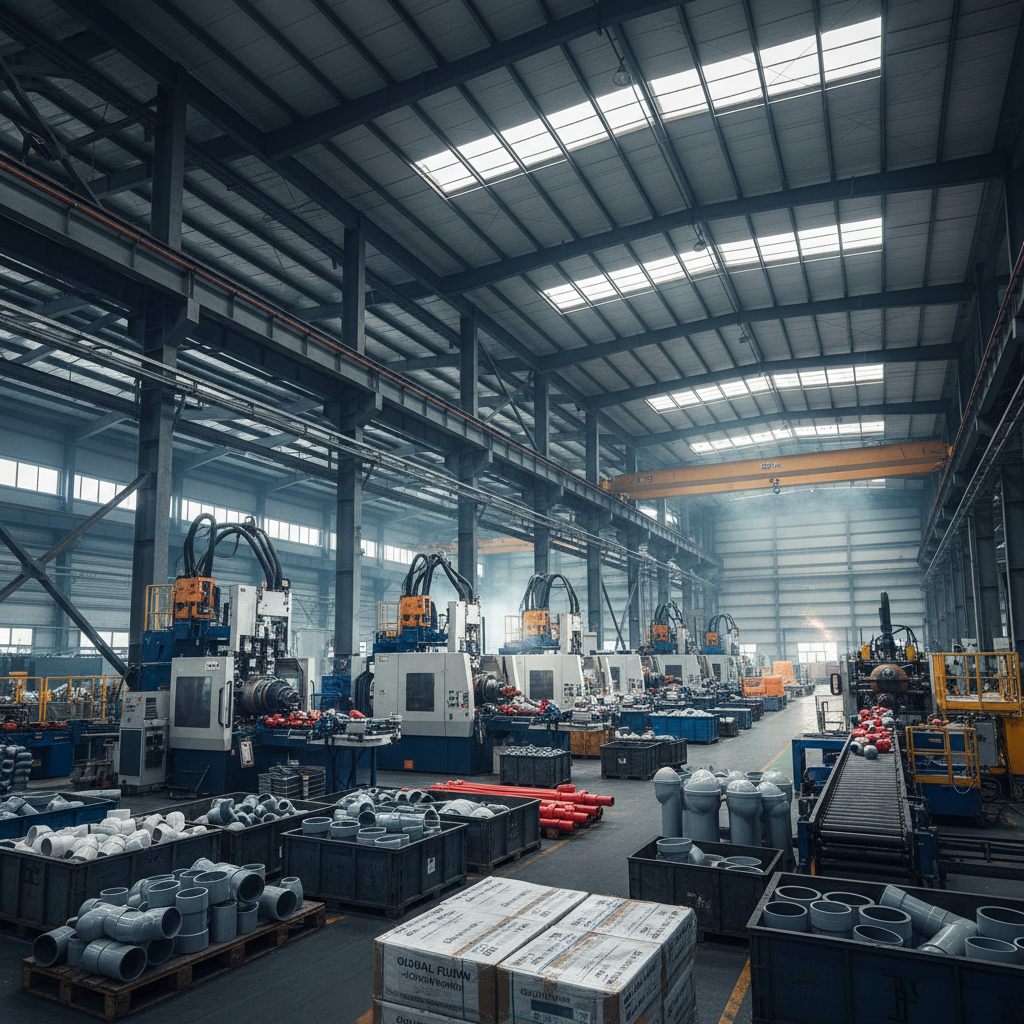
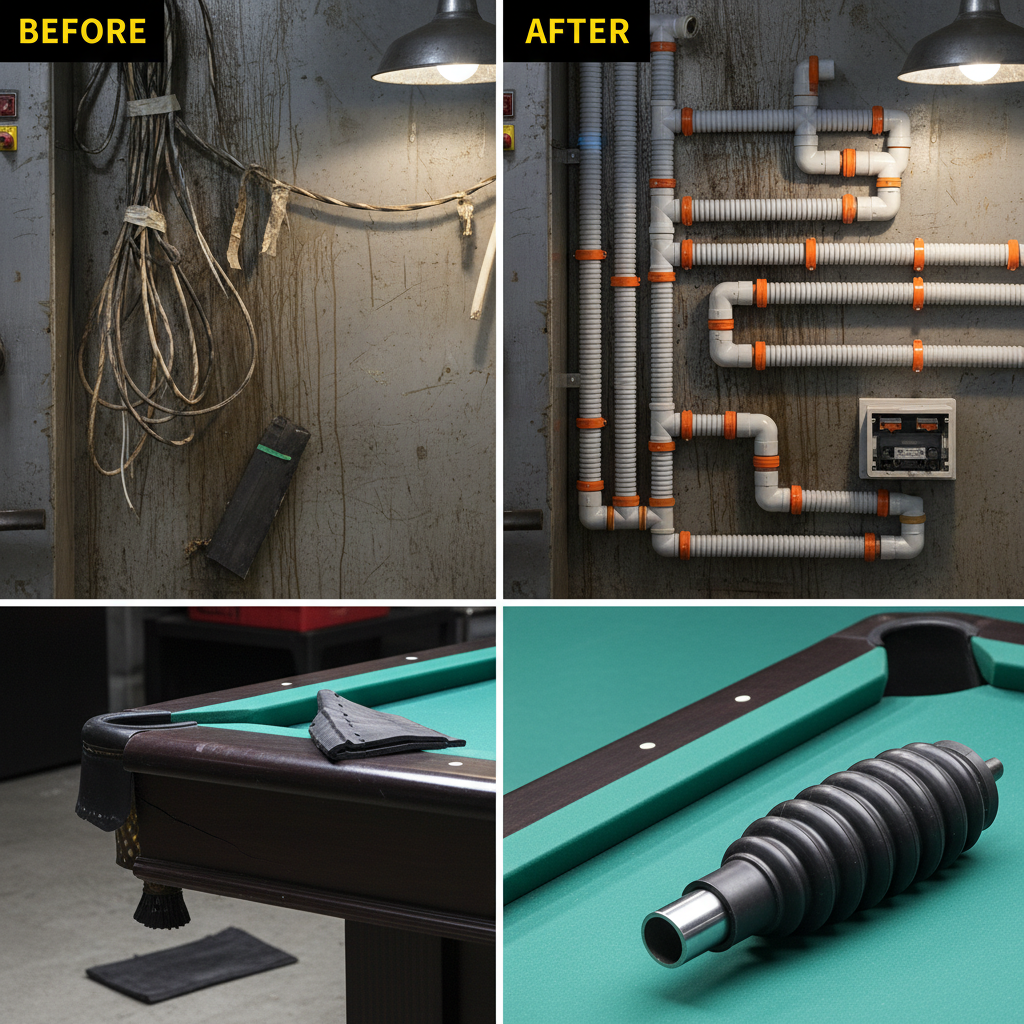
Plastic plumbing fittings types are essential components in modern infrastructure, playing a critical role in water distribution, drainage, and various industrial applications. These fittings, manufactured from a diverse range of plastics like PVC, CPVC, PP, and PEX, offer significant advantages over traditional metal counterparts in terms of cost, corrosion resistance, and ease of installation. Understanding the nuances of different plastic plumbing fittings types is crucial for engineers, plumbers, contractors, and even homeowners to ensure efficient, reliable, and long-lasting plumbing systems.
The global demand for plastic plumbing fittings types is driven by rapid urbanization, population growth, and the increasing need for robust and sustainable water management solutions. According to the UN, global urbanization is projected to reach 68% by 2050, placing immense pressure on existing infrastructure. Plastic fittings address this challenge by offering a cost-effective and durable alternative to traditional materials. The ISO standards governing plastic pipe systems further ensure quality and performance, fostering trust and widespread adoption.
Furthermore, the adaptability of plastic plumbing fittings types allows for innovative applications in areas like greywater recycling, rainwater harvesting, and agricultural irrigation, contributing to environmental sustainability. Their lightweight nature simplifies transportation and installation, while their resistance to scaling and biofouling reduces maintenance requirements, resulting in significant long-term cost savings.
The Importance of Plastic Plumbing Fittings Types
Plastic plumbing fittings types have revolutionized plumbing systems globally. Their inherent advantages – lightweight construction, resistance to corrosion, and ease of installation – have made them the preferred choice for a vast array of applications, ranging from residential buildings to large-scale industrial projects. The rising demand for sustainable and cost-effective solutions further solidifies their importance in the modern construction landscape.
Choosing the right plastic plumbing fittings types impacts the overall lifespan and efficiency of a plumbing system. Factors like water pressure, temperature, and the type of fluid being transported necessitate careful consideration of material compatibility and fitting specifications. Proper selection ensures minimized leakage, reduced maintenance, and optimized performance.
Defining Plastic Plumbing Fittings Types
Plastic plumbing fittings types are connection components used to join sections of plastic piping in a plumbing system. They come in a wide variety of shapes and sizes, designed for specific purposes such as connecting straight pipes, changing direction (elbows), reducing pipe size (reducers), or branching off into multiple lines (tees). These fittings are constructed from various thermoplastic materials, each possessing unique properties suited to different applications.
The core function of these fittings extends beyond simply connecting pipes; they maintain pressure, prevent leaks, and ensure the safe and efficient transport of fluids. Their development is directly linked to advancements in polymer science and engineering, providing solutions for complex plumbing challenges. Understanding the specific characteristics of each plastic material is crucial for selecting the appropriate fitting for a given application.
This connection to modern industry and humanitarian needs is profound. Reliable water delivery and sanitation are fundamental to public health and economic development. Plastic fittings, due to their affordability and ease of deployment, play a vital role in providing access to clean water in both developed and developing nations.
Core Characteristics of Plastic Plumbing Fittings
Several key characteristics define the performance and suitability of plastic plumbing fittings types. Firstly, chemical resistance is paramount, ensuring the fittings won't corrode or degrade when exposed to various fluids and chemicals. Different plastics offer varying levels of resistance, dictating their compatibility with specific applications, such as handling potable water versus industrial waste.
Secondly, temperature resistance dictates the fitting's ability to withstand high or low temperatures without deformation or failure. CPVC, for example, boasts higher temperature resistance compared to PVC, making it suitable for hot water distribution. Thirdly, pressure rating indicates the maximum pressure the fitting can safely handle, critical for systems operating at higher pressures. Fourthly, UV resistance is important for outdoor applications, preventing degradation from prolonged sun exposure.
Finally, impact strength is a measure of the fitting’s ability to withstand physical stress and impacts without cracking or breaking, essential for ensuring long-term durability. These characteristics are often determined by industry standards and testing procedures.
Key Performance Indicators for Plastic Fittings
Evaluating plastic plumbing fittings types requires examining key performance indicators (KPIs) that directly correlate to their effectiveness and longevity. One critical KPI is leakage rate, measured in terms of fluid loss over a specific period. Lower leakage rates indicate superior sealing performance and material integrity.
Another crucial KPI is burst pressure, representing the maximum pressure a fitting can withstand before rupturing. This is a direct indicator of the fitting’s structural strength and safety. Tensile strength measures the fitting's resistance to being pulled apart, showcasing its ability to handle stress. Long-term hydrostatic strength assesses the fitting's ability to maintain its integrity under continuous pressure over extended periods.
KPIs for Different plastic plumbing fittings types
Applications Across Industries and Regions
Plastic plumbing fittings types find widespread application across diverse industries and geographical regions. In residential and commercial construction, they are used for potable water supply, drainage, waste, and vent (DWV) systems. In agriculture, they are integral to irrigation systems, enabling efficient water delivery to crops. Industrial facilities utilize them for chemical processing, wastewater treatment, and cooling systems.
Specifically, in arid regions like the Middle East and North Africa, plastic fittings are crucial for water conservation and efficient irrigation practices. In rapidly developing Asian countries, they support the construction of modern infrastructure to meet growing populations. Moreover, in post-disaster relief operations, lightweight and easily deployable plastic plumbing fittings types offer a vital solution for providing safe water access to affected communities.
Advantages and Long-Term Value Proposition
The advantages of utilizing plastic plumbing fittings types extend beyond initial cost savings. Their inherent corrosion resistance eliminates the need for expensive repairs and replacements associated with metal fittings, resulting in substantial long-term cost benefits. The lightweight nature reduces labor costs during installation, while the ease of fabrication allows for customized solutions.
Furthermore, plastic fittings contribute to environmental sustainability by reducing energy consumption in manufacturing compared to metal alternatives and minimizing water waste through leak-proof connections. They enhance public health and safety by preventing contamination and ensuring the delivery of clean water. The overall reliability and longevity build trust among users and establish a strong value proposition.
Future Trends and Innovation in Plastic Fittings
The future of plastic plumbing fittings types is marked by ongoing innovation driven by sustainability concerns and technological advancements. The development of bio-based plastics, derived from renewable resources, offers a promising alternative to traditional petroleum-based polymers, reducing the carbon footprint of these fittings.
Smart fittings equipped with sensors and IoT connectivity are emerging, enabling real-time monitoring of water flow, pressure, and leakage detection. These intelligent systems can optimize water usage, prevent costly damage, and facilitate predictive maintenance. Furthermore, advancements in 3D printing technology allow for the creation of customized fittings tailored to specific project requirements, enhancing design flexibility and efficiency.
Summary of Challenges and Solutions in Plastic Fittings
| Challenge |
Impact on plastic plumbing fittings types |
Proposed Solution |
Implementation Timeline |
| Temperature Sensitivity |
Limited use in high-temperature applications. |
Utilize CPVC or PEX fittings with enhanced heat resistance. |
Immediate |
| UV Degradation |
Reduced lifespan in outdoor applications. |
Employ UV-stabilized plastics or provide protective shielding. |
Short-term (6-12 months) |
| Material Compatibility |
Potential for chemical reactions or degradation. |
Careful selection of plastic type based on fluid composition. |
Ongoing – requires case-by-case assessment |
| Joint Integrity |
Risk of leaks if joints are improperly installed. |
Implement rigorous installation training and quality control procedures. |
Medium-term (1-2 years) |
| Sustainability Concerns |
Reliance on fossil fuels for plastic production. |
Transition to bio-based plastics and promote recycling initiatives. |
Long-term (3-5 years) |
| Cost Fluctuations |
Volatile pricing of raw materials. |
Diversify supply chains and explore alternative plastic formulations. |
Ongoing – requires proactive market monitoring |
FAQS
PVC (Polyvinyl Chloride) fittings are suitable for cold water applications and drainage systems due to their cost-effectiveness and good chemical resistance. CPVC (Chlorinated Polyvinyl Chloride) fittings, however, possess higher temperature resistance, making them ideal for hot water distribution systems. CPVC can withstand temperatures up to 180°F (82°C) compared to PVC’s 140°F (60°C) limit. Therefore, choosing the correct material is crucial based on the application's temperature requirements.
Achieving a leak-proof connection requires proper surface preparation, the use of appropriate primer and solvent cement (for solvent-welded fittings), and careful adherence to manufacturer's instructions. Ensure pipes are clean, dry, and deburred before applying primer. Apply solvent cement evenly and quickly to both surfaces, and immediately join the fitting and pipe with a slight twisting motion. Allow sufficient curing time before pressurizing the system. For compression fittings, ensure proper tightening of the compression nut.
Yes, certain types of plastic plumbing fittings, particularly those made from HDPE (High-Density Polyethylene) or PVC with appropriate additives, are suitable for underground burial. However, it's crucial to select fittings specifically designed for burial applications and to follow local plumbing codes regarding burial depth and backfill requirements. Proper bedding and protection against external loads are also essential for long-term reliability.
The lifespan of plastic plumbing fittings varies depending on the material, application, and environmental conditions. Generally, PVC and CPVC fittings can last for 50 years or more under normal operating conditions. PEX fittings have a similar lifespan. HDPE fittings are known for their exceptional durability and can last over 75 years. However, factors like UV exposure, temperature fluctuations, and chemical exposure can affect the lifespan. Regular inspections are recommended.
Connecting plastic fittings directly to copper pipes can be challenging due to the differing thermal expansion rates of the two materials. Transition fittings, such as dielectric unions or adapters, are essential to prevent galvanic corrosion and accommodate thermal movement. These fittings create a physical and electrical barrier between the two metals, ensuring long-term system integrity.
Recycling programs for plastic plumbing fittings are becoming more prevalent, although availability varies by location. Some manufacturers offer take-back programs for their products. Check with your local waste management authority or recycling center to determine if they accept plastic plumbing fittings. Proper disposal and recycling are crucial for minimizing environmental impact.
Conclusion
Plastic plumbing fittings types represent a cornerstone of modern plumbing infrastructure, offering a compelling combination of cost-effectiveness, durability, and ease of installation. Their adaptability to diverse applications, coupled with ongoing innovations in materials and design, solidifies their importance in addressing global challenges related to water management and sanitation. Understanding the nuances of different plastic materials and fitting types is crucial for engineers, plumbers, and homeowners alike to ensure optimal system performance and longevity.
Looking ahead, the future of plastic plumbing fittings types will be shaped by a growing emphasis on sustainability and smart technologies. The adoption of bio-based plastics, the integration of IoT sensors, and the development of customized solutions through 3D printing will revolutionize the industry, paving the way for more efficient, resilient, and environmentally responsible plumbing systems. Visit our website at fygasket.com to learn more about our extensive range of plastic plumbing fittings and solutions.