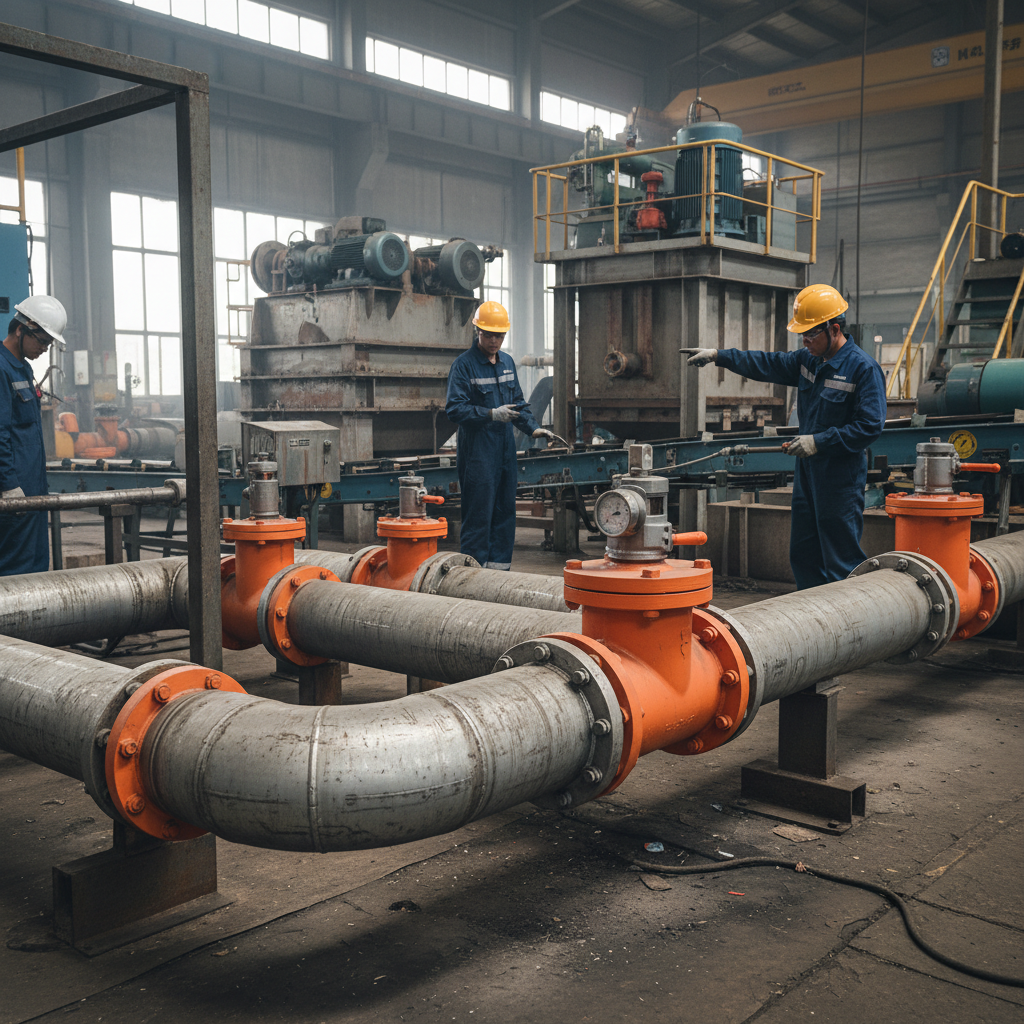
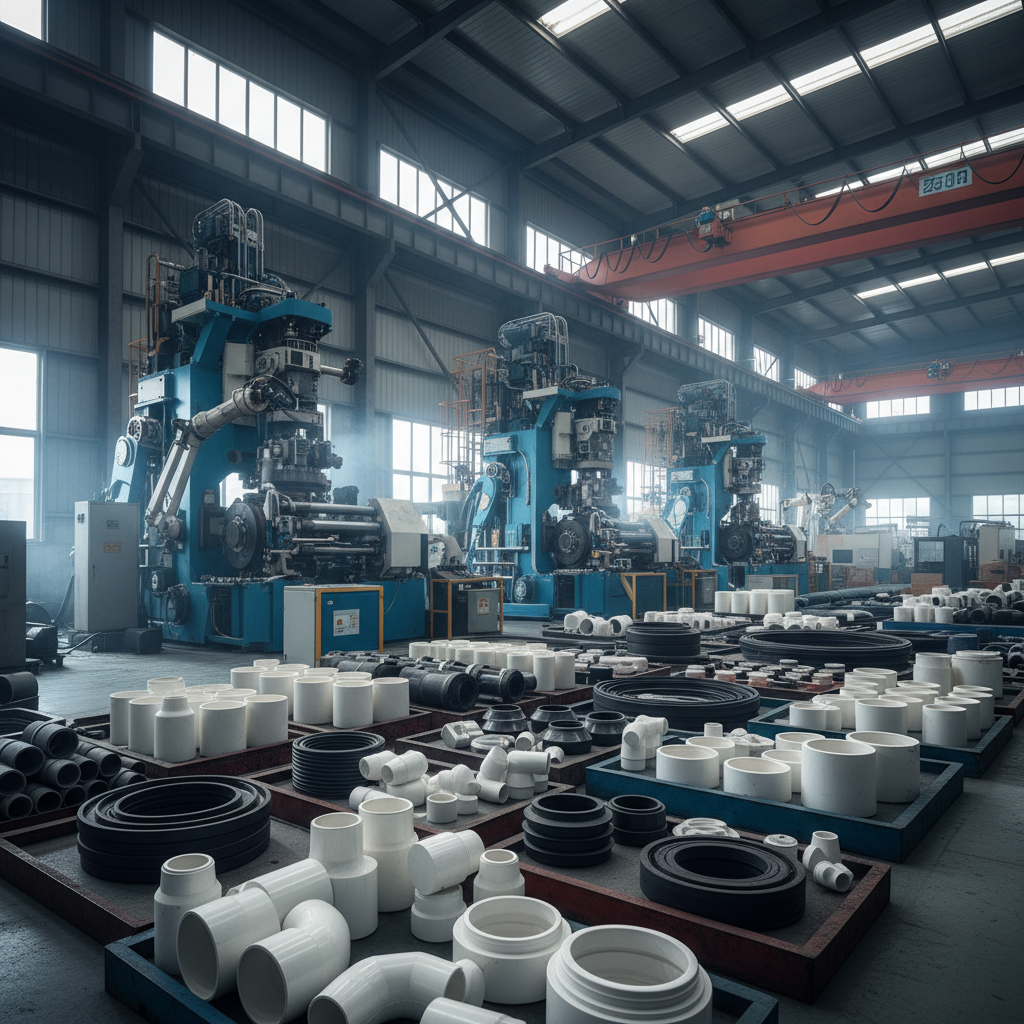
Look, plastic fuel line fittings aren't glamorous. They aren’t the steel beams or the concrete foundations, but let me tell you, a jobsite grinds to a halt without reliable fuel delivery. I've seen projects delayed, budgets blown, and tempers flare because of a simple fuel line failure. These fittings, the right ones, are about uptime, safety, and keeping things running smoothly. We're talking about everything from generators powering critical equipment to fueling the machines doing the heavy lifting. You need a fuel system you can trust, and that starts with quality plastic fuel line fittings. It's not about saving a few bucks on the front end; it’s about preventing a disaster down the line.
I spend my days walking jobsites, talking to the guys on the ground, and seeing what actually works. What I've found is that the old metal lines? They corrode, they leak, and they're a pain to work with. Plastic fuel line fittings offer a solution. They’re lighter, easier to install, and – crucially – they don’t rust. This isn't just about convenience, it's about reducing maintenance, improving safety, and minimizing downtime. And in this business, time is money. We’re always under pressure, always trying to meet deadlines, so anything that can streamline the process is a win.
Honestly, a lot of folks underestimate the impact of these components. They see them as small parts, easily overlooked. But they're integral to the whole operation. And with increasing regulations around fuel storage and handling, using the right fittings isn't just a good practice, it’s often a legal requirement. The industry’s moving towards more durable, safer options, and plastic fuel line fittings are at the forefront of that shift. It’s about future-proofing your projects and avoiding costly headaches.
The Importance of Plastic Fuel Line Fittings
You know, I’ve been on enough sites to see things fail. And a fuel system failure is always a pain. It's a safety issue, a productivity killer, and a potential environmental hazard. That’s why choosing the right plastic fuel line fittings is so critical. These aren’t just about moving fuel; they're about ensuring a consistent, reliable, and safe fuel supply. We're not just connecting hoses here; we're protecting equipment, personnel, and the project timeline.
The demand for dependable fuel systems is only growing. From large-scale construction projects to remote power generation, the need for robust and reliable fittings is constant. And frankly, the move away from traditional metal components is driven by necessity – they simply can’t keep up with the demands of modern jobsites. Plastic fuel line fittings are offering the durability and flexibility needed to get the job done.
Defining Plastic Fuel Line Fittings
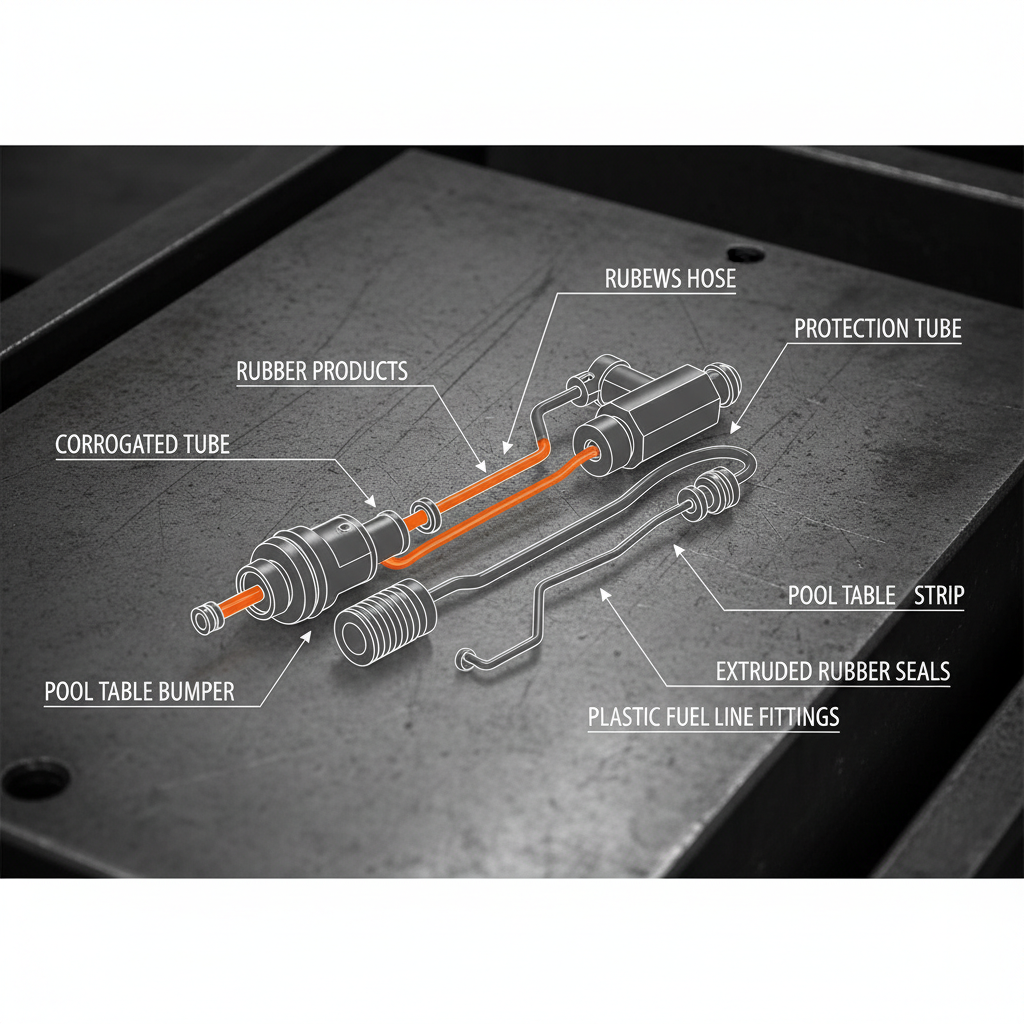
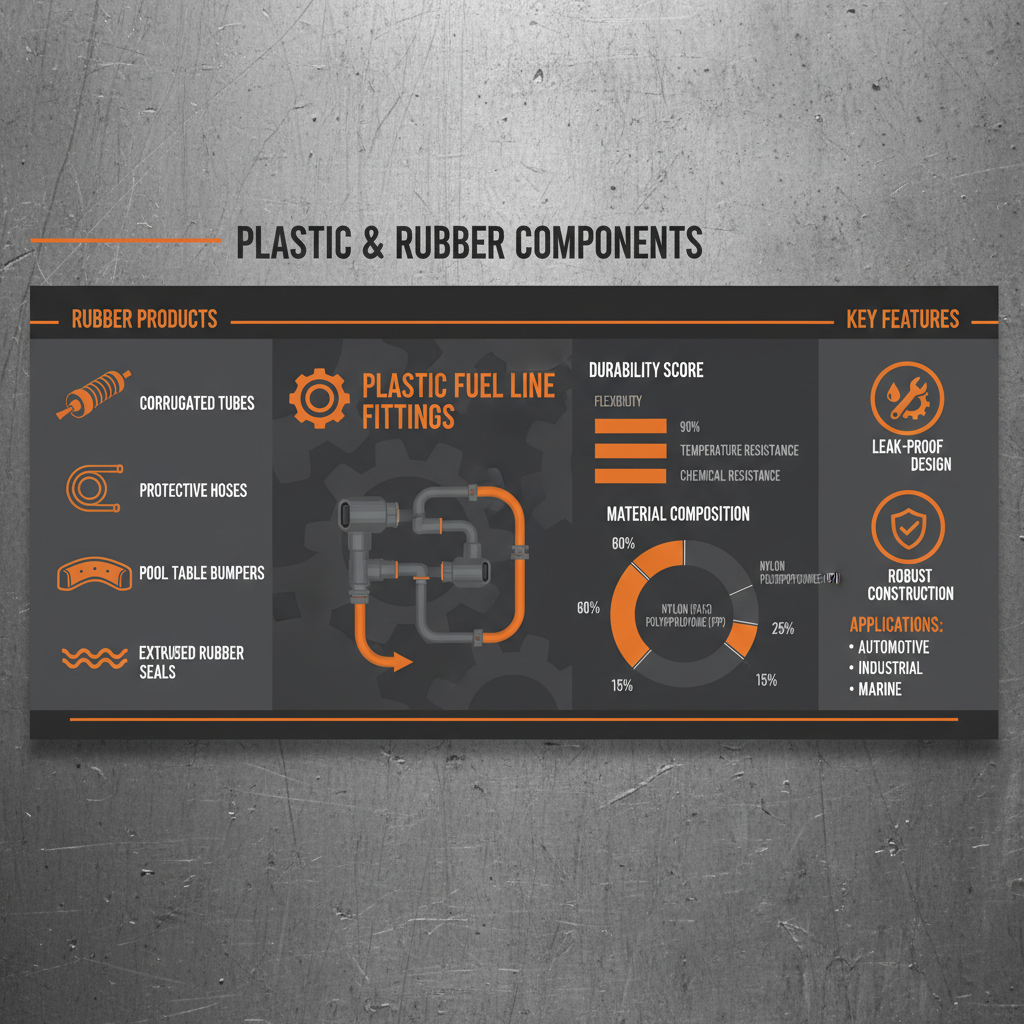
Let's cut through the jargon. Plastic fuel line fittings are essentially connectors made from polymers—typically nylon, polyethylene, or polypropylene—designed to securely join fuel lines together. They come in various configurations: quick-connect, threaded, barbed, and more. The key is that they’re engineered to withstand the specific pressures, temperatures, and chemical compositions of the fuels they're handling. These aren't your garden-variety plastic parts; these are precision-engineered components.
What makes them vital is that they provide a leak-proof seal, preventing fuel loss and reducing the risk of fire. They're also corrosion-resistant, unlike metal fittings, which is a massive advantage in harsh environments. And they’re lighter, making installation and handling easier. It’s about providing a safe, efficient, and long-lasting solution for fuel transfer.
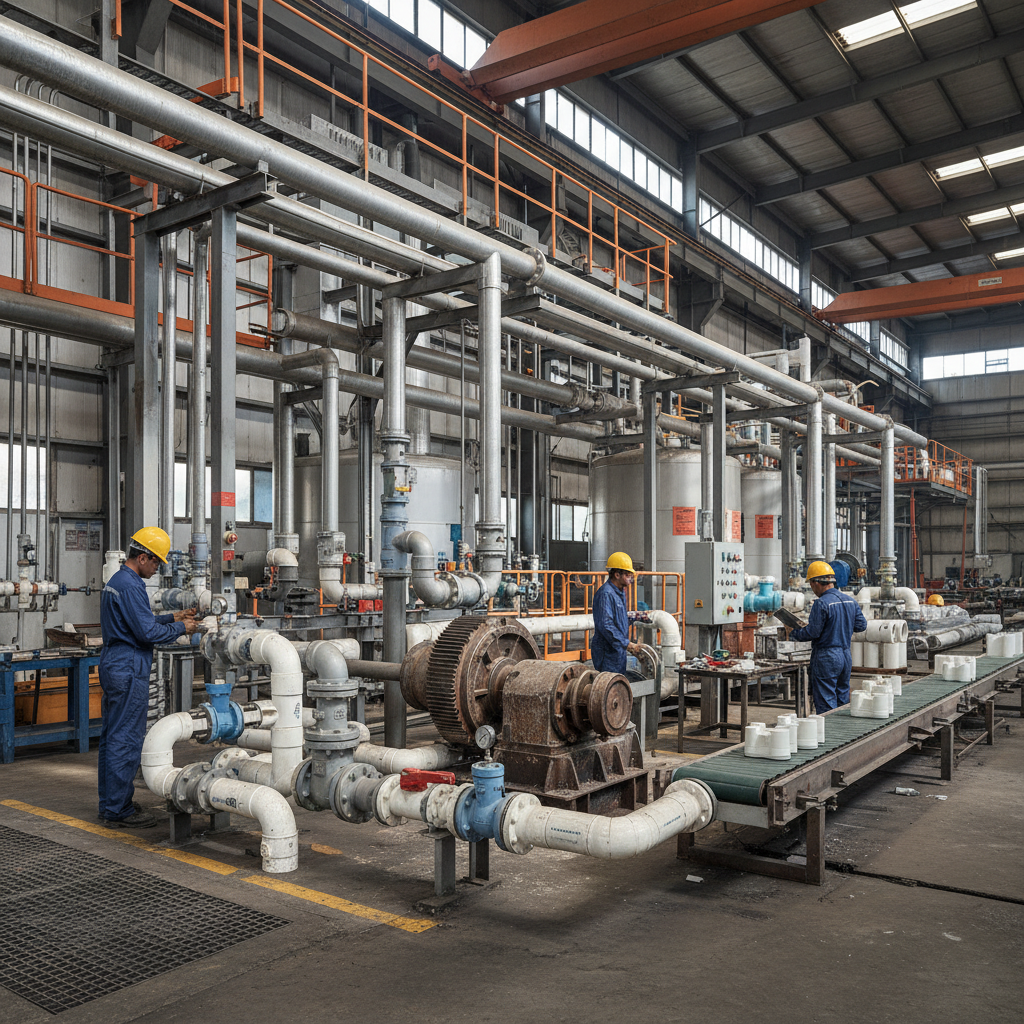
This impacts everything from power generation in remote locations to supplying fuel for heavy machinery on construction sites, and even maintaining the fuel systems in emergency response vehicles. It’s a seemingly small component with far-reaching consequences.
Key Factors in Choosing Plastic Fuel Line Fittings
When I’m spec’ing out fittings for a job, I’m looking at a few key things. First, material compatibility. What kind of fuel are we dealing with? Gasoline, diesel, bio-fuels? Each requires a specific type of plastic to prevent degradation. Nylon is great for many applications, but you need to ensure it’s compatible with the specific fuel. Then there’s pressure rating—can the fitting handle the maximum pressure the system will experience? I always add a safety margin.
Another crucial factor is the type of connection. Quick-connect fittings are fantastic for fast installation and disassembly, but they might not be suitable for high-vibration environments. Threaded fittings offer a more secure connection, but they take longer to install. Barbed fittings are good for flexible tubing but require clamps to ensure a tight seal. It's about choosing the right connection method for the application. I always ask the guys doing the install what makes their lives easier, because a frustrated crew makes mistakes.
Finally, and this is big, is certification and compliance. Are the fittings certified to meet industry standards? Do they comply with local regulations? You want to avoid any issues with inspections or potential safety hazards. Always check for certifications like UL or FM approval. A cheap fitting isn’t worth the risk.
Global Applications and Use Cases
I've seen these fittings used everywhere. In remote mining operations in Australia, keeping generators running. On massive construction sites in the Middle East, fueling heavy equipment. And in disaster relief efforts around the world, providing power to emergency response teams. They’re incredibly versatile. They're even popping up in agricultural applications, powering irrigation systems and farm machinery.
In post-disaster relief operations, quick and reliable fuel delivery is paramount. Plastic fuel line fittings allow for rapid deployment of generators and other essential equipment, providing power to hospitals, shelters, and communication centers. The lightweight nature of these fittings also simplifies transportation and logistics.
Plastic Fuel Line Fittings Application Breakdown
Advantages and Long-Term Value
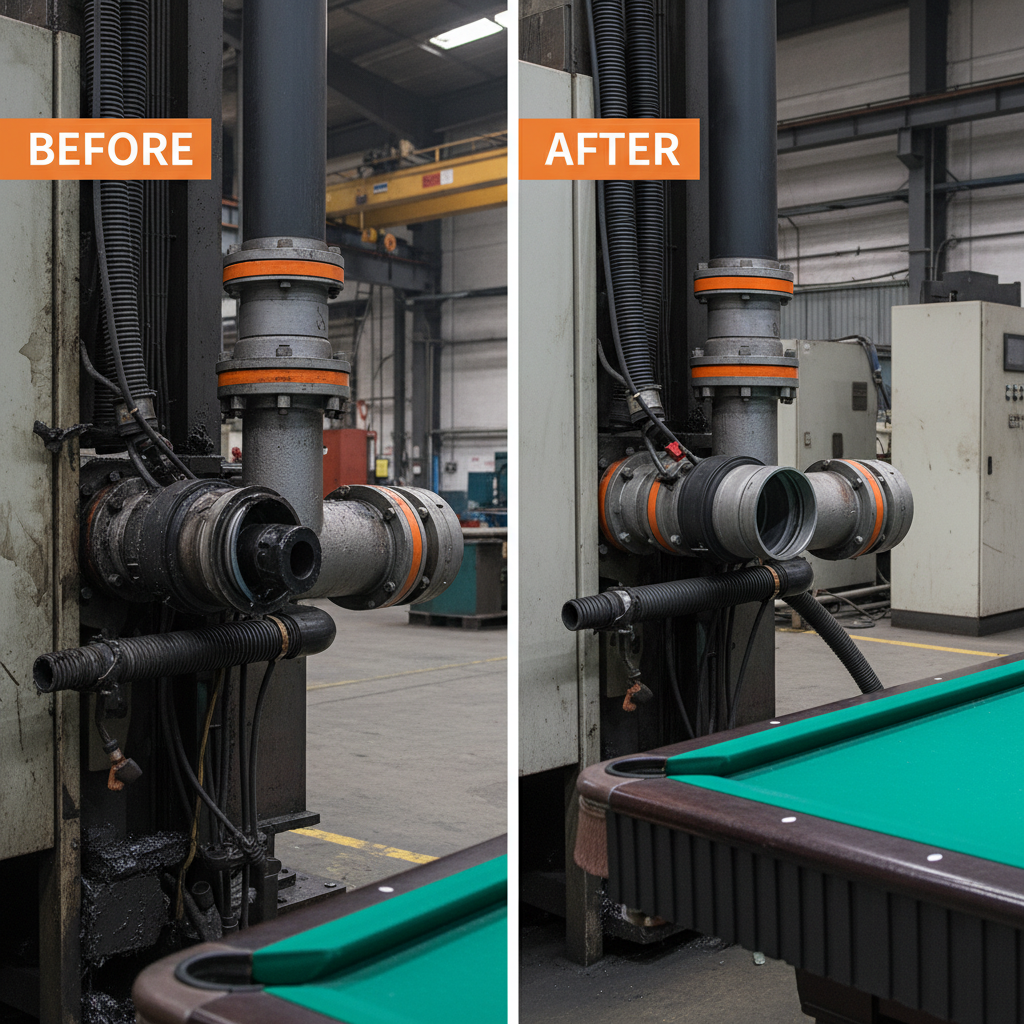
The long-term benefits are clear. Reduced maintenance costs because they don’t corrode. Lower downtime because they’re less prone to failure. And improved safety because they minimize the risk of fuel leaks. That adds up to significant savings over the lifespan of a project. It's not just about the initial cost; it's about the total cost of ownership.
I’ve seen projects where switching to plastic fuel line fittings has cut maintenance time by 20%. That’s 20% more time for crews to focus on actual construction. And let's be honest, a safe work environment builds trust with everyone involved—from the workers on the ground to the project owners. That's invaluable.
Future Trends and Innovations
We’re starting to see some really interesting developments in materials science. New polymer blends are offering even greater chemical resistance and temperature tolerance. And manufacturers are incorporating smart features into fittings, like sensors that can detect leaks or pressure drops. These innovations will further enhance the reliability and safety of fuel systems.
The push for sustainable fuels is also driving innovation. Plastic fuel line fittings need to be compatible with biofuels and other alternative fuels, so we're seeing a lot of research and development in that area. And with the increasing focus on automation and remote monitoring, we'll likely see more integration of these fittings into smart fuel management systems.
Challenges and Solutions
Now, it’s not all sunshine and roses. One challenge is ensuring proper installation. Plastic fittings require specific tools and techniques to ensure a secure, leak-proof connection. Improper installation is a common cause of failure. That’s where proper training is key. We need to make sure the guys on the ground know how to use these fittings correctly.
Another challenge is selecting the right fitting for the application. With so many options available, it can be overwhelming. That's where consulting with a knowledgeable supplier is crucial. They can help you choose the right material, connection type, and pressure rating for your specific needs. And finally, continuous testing and quality control are essential to ensure that fittings meet industry standards.
Table Summarizing Common Challenges & Solutions in Plastic Fuel Line Fittings
| Challenge |
Impact on Project |
Solution |
Preventative Measures |
| Improper Installation |
Fuel Leaks, System Failure |
Detailed Installation Training |
Certified Installation Teams |
| Incorrect Material Selection |
Degradation, Reduced Lifespan |
Expert Consultation |
Material Compatibility Charts |
| High-Vibration Environments |
Connection Loosening, Leaks |
Use of Secure Connection Types |
Regular Inspection & Tightening |
| Exposure to Harsh Chemicals |
Material Degradation |
Chemically Resistant Fittings |
Chemical Compatibility Assessment |
| Lack of Certification |
Compliance Issues, Safety Risks |
Verify Certifications (UL, FM) |
Supplier Audits |
| Temperature Extremes |
Material Brittleness or Softening |
High/Low Temperature Rated Fittings |
Application-Specific Material Selection |
FAQS
The biggest benefit is corrosion resistance. Metal fittings rust over time, leading to leaks and failures. Plastic doesn't. They are also lighter, easier to install, and often more cost-effective in the long run. Reduced downtime and maintenance translates to real savings on a jobsite.
Not all plastics are created equal. You need to choose a fitting material that’s compatible with the specific fuel you're using—gasoline, diesel, bio-fuels, etc. Nylon is good for many, but always check the manufacturer’s specifications to ensure compatibility. Using the wrong material can lead to degradation and failure.
Proper installation is critical. Follow the manufacturer's instructions carefully, and use the correct tools. For barbed fittings, make sure to use a clamp to secure the hose. For quick-connect fittings, ensure the hose is fully inserted and locked into place. A little care during installation goes a long way.
Look for certifications like UL (Underwriters Laboratories) or FM (Factory Mutual). These certifications indicate that the fittings have been tested and meet industry safety standards. This provides peace of mind and ensures compliance with regulations. It’s worth paying a little more for a certified product.
Performance varies depending on the plastic material. Some plastics become brittle in cold temperatures, while others soften in high heat. Choose a fitting that’s rated for the temperature range of your application. Manufacturers often specify temperature limitations in their product documentation.
Plastic fittings are lighter than metal, which reduces transportation fuel consumption. Also, their corrosion resistance extends their lifespan, reducing the need for frequent replacements. However, proper disposal is important, and recycling options should be considered where available.
Conclusion
So, are plastic fuel line fittings a silver bullet? No. But they are a reliable, cost-effective, and safe solution for a wide range of fuel system applications. From reducing downtime on construction sites to powering remote operations, these fittings play a critical role in keeping things running smoothly. They are about more than just connecting hoses; they're about improving efficiency, enhancing safety, and reducing overall project costs.
Looking ahead, the demand for durable and reliable fuel systems will only continue to grow. Investing in high-quality plastic fuel line fittings isn’t just a good idea; it's a smart business decision. If you're looking for a dependable fuel system solution, I strongly recommend exploring the options available and choosing fittings that meet your specific needs. Visit our website at plastic fuel line fittings to learn more.