0%

Table of Contents

Plastic drain pipe fittings – they're the unsung heroes of any construction project. I've spent the last fifteen years on sites, wading through mud, talking to plumbers, and wrestling with materials, and let me tell you, a good drainage system can make or break a build. We’ve moved past the days of solely relying on cast iron and concrete. Modern construction demands efficiency, durability, and frankly, something lighter to haul around. That's where high-quality plastic drain pipe fittings come in. They're not just a cheaper alternative anymore; they’re often a better alternative, offering advantages that traditional materials simply can't match.

You see a lot of pushback initially, particularly from guys who’ve "always done it this way." But show them a side-by-side comparison of installation time, long-term corrosion resistance, and the weight savings, and they usually come around pretty quick. I've witnessed projects saved by the flexibility of these systems, especially in areas prone to shifting ground. The ability to handle thermal expansion and contraction without cracking is huge. This isn’t just about cutting costs; it’s about building something that will last.

And it's not a small market, either. Globally, the demand for efficient water management and waste disposal systems is skyrocketing, driven by urbanization and population growth. The UN estimates that billions are still without access to basic sanitation, creating a massive need for reliable infrastructure. Organizations like the World Bank are investing heavily in projects that utilize modern piping materials, and plastic drain pipe fittings are right at the heart of it. It's a big responsibility, ensuring we’re using the right materials for the job, and that means understanding the nuances of these systems.
The Essential Role of Plastic Drain Pipe Fittings in Modern Infrastructure Projects

The Importance of Plastic Drain Pipe Fittings in Modern Construction

The Essential Role of Plastic Drain Pipe Fittings in Modern Infrastructure Projects

I’ve seen firsthand how the right plastic drain pipe fittings can streamline a project. It’s not just about the material cost; it’s about the labor savings, the reduced risk of failure, and the long-term maintenance benefits. You’re looking at lighter materials that are easier to handle, meaning fewer back injuries on site, and faster installation times. And that translates directly into dollars saved for the client. plastic drain pipe fittings are becoming the standard, and for good reason.

We're constantly dealing with corrosive environments, from acidic soils to harsh chemicals. Traditional materials just can’t hold up as well over time. Plastic, particularly PVC, CPVC, and polypropylene, offer excellent resistance to these elements, extending the lifespan of the drainage system and reducing the need for costly repairs or replacements. That's a huge selling point when you're dealing with large-scale infrastructure projects.

Defining Plastic Drain Pipe Fittings

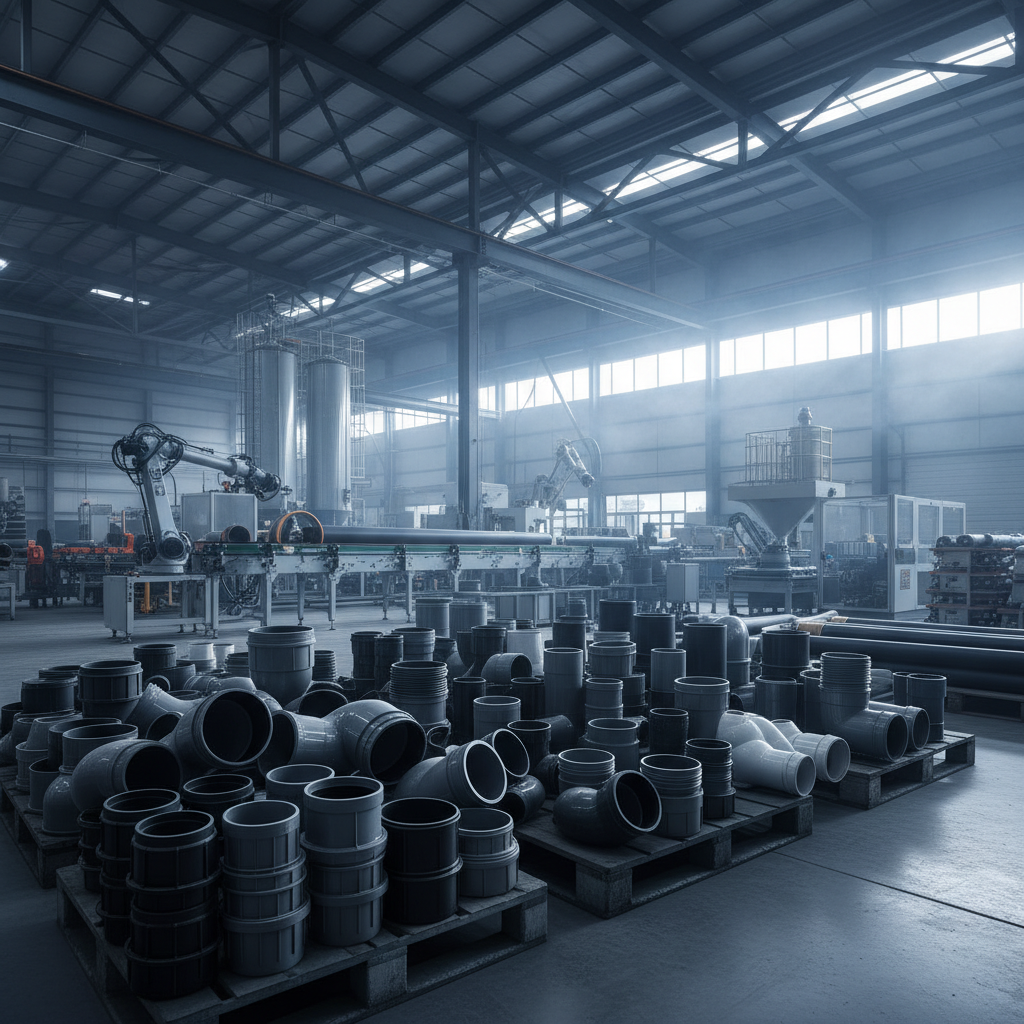
Simply put, plastic drain pipe fittings are the components used to connect sections of plastic drain pipe, creating a complete drainage system. These include elbows, tees, couplings, adapters, and traps, all designed to direct wastewater away from buildings and structures. It sounds basic, but the precision and quality of these fittings are critical. A poorly fitted joint is a recipe for leaks and problems down the line.

Their connection to modern industry and humanitarian needs is substantial. They're essential for everything from residential plumbing to large-scale wastewater treatment plants. In developing countries, affordable and reliable drainage systems are crucial for public health, preventing the spread of waterborne diseases. These fittings aren’t just about convenience; they’re about improving quality of life.

The real shift came with advancements in polymer science. Early plastic pipes were brittle and prone to failure. But now, with materials like PVC, CPVC, and polypropylene, we have systems that are incredibly durable, flexible, and resistant to a wide range of chemicals and temperatures. That’s what’s allowed them to become a viable alternative to traditional materials.

Key Characteristics of Effective Plastic Drainage Systems

Durability is paramount. I've seen systems installed decades ago still functioning perfectly. The resistance to corrosion and degradation is a game-changer, especially in harsh environments. It's not just about preventing leaks; it's about reducing the lifecycle cost of the system. You’re minimizing maintenance and avoiding expensive repairs.

Scalability is another huge advantage. These systems are modular, meaning you can easily adapt them to fit the specific needs of a project, whether it’s a small residential home or a large commercial complex. Adding or modifying sections is relatively straightforward, which saves time and money.

Cost-efficiency isn't just about the initial purchase price. It's about the total cost of ownership. Lower installation costs, reduced maintenance requirements, and a longer lifespan all contribute to significant savings over the life of the system. Plus, the lighter weight reduces transportation costs and makes handling easier.

Practical Applications Across Industries

You’ll find plastic drain pipe fittings everywhere. In residential construction, they’re used for everything from kitchen and bathroom drains to stormwater management. In commercial buildings, they handle larger volumes of wastewater and often need to meet more stringent requirements.

We’re seeing a lot of use in industrial settings, particularly in chemical processing plants and food manufacturing facilities. The corrosion resistance of these materials is critical in those environments. And in agriculture, they're used for irrigation systems and drainage in greenhouses and fields. I even worked on a project using them in a fish farm – the ability to maintain water purity was essential.

Plastic Drain Pipe Fittings Performance by Application


Long-Term Benefits and Value Proposition

The cost savings are substantial, as we’ve discussed. But beyond that, there’s the sustainability aspect. Plastic drain pipe fittings require less energy to manufacture than traditional materials, and they have a longer lifespan, reducing the need for frequent replacements. This minimizes waste and reduces our environmental footprint. plastic drain pipe fittings contribute to more sustainable construction practices.

The reliability factor is huge. You're building trust with the client when you use a system that’s proven to withstand the test of time. No one wants to deal with a drainage failure a year after construction. A well-designed and properly installed plastic drainage system provides peace of mind, knowing that the infrastructure is solid and dependable.

Emerging Trends and Innovations

We’re seeing a lot of work going into developing even more sustainable plastic materials, including those made from recycled content. There’s also a push towards smarter drainage systems, incorporating sensors and monitoring technology to detect leaks and prevent blockages. These “smart” systems can provide real-time data on system performance.

The integration of digital technologies, like BIM (Building Information Modeling), is also changing the game. BIM allows us to design and model drainage systems more accurately, identifying potential problems before they arise. It’s about creating a more efficient and collaborative construction process.

Common Challenges and Solutions in Implementation

One of the biggest challenges is ensuring proper installation. It’s not enough to just throw the fittings together; you need trained and qualified installers who understand the nuances of the system. Incorrectly joined fittings are a major source of leaks.

Another challenge is dealing with ground movement and seismic activity. In areas prone to earthquakes, you need to use flexible joints and appropriate backfill materials to prevent damage. It’s about anticipating potential problems and designing the system to withstand those forces.

Proper soil analysis is also key. Certain soils can be corrosive to plastic, so you need to select the right materials and potentially apply protective coatings. It’s all about understanding the specific conditions of the site and choosing the best solution for the job.

Summary of Challenges and Solutions for Plastic Drain Pipe Fittings Implementation

Challenge Severity (1-10) Potential Solution Implementation Cost (Low/Med/High)
Improper Installation 9 Certified Installer Training Programs Med
Ground Movement/Seismic Activity 7 Flexible Joints, Proper Backfill Med
Corrosive Soil Conditions 6 Protective Coatings, Material Selection Low
Material Degradation (UV Exposure) 5 UV-Resistant Material Selection, Protective Covering Low
Blockages and Debris Accumulation 8 Regular Inspection & Cleaning, Installation of Strainers Low
Lack of Standardization in Fittings 4 Adherence to Industry Standards (ASTM, ISO) Med

FAQS

What is the typical lifespan of a well-installed plastic drain pipe system?

A properly installed plastic drain pipe system, especially those using PVC or CPVC, can realistically last 50 years or more. Regular inspections and maintenance, like flushing the system and clearing any potential blockages, can extend that lifespan significantly. The resistance to corrosion and degradation inherent in these materials is a major factor. We've seen systems still functioning optimally after decades of use on job sites.

Are plastic drain pipe fittings suitable for high-temperature applications?

While standard PVC isn't ideal for extremely high temperatures, CPVC (Chlorinated Polyvinyl Chloride) is specifically designed to withstand higher temperatures than PVC. It's often used for hot water drainage systems and industrial applications where temperatures can reach up to 200°F. Always check the manufacturer's specifications to ensure the material is appropriate for the intended application and temperature range.

How do plastic drain pipe fittings compare to traditional metal pipes in terms of cost?

Generally, plastic drain pipe fittings are more cost-effective than traditional metal pipes like cast iron or steel, considering the entire lifecycle. While the initial material cost might be similar, the reduced labor costs for installation (due to lighter weight and easier joining methods), lower transportation costs, and minimal maintenance requirements make plastic a more economical choice in the long run. Plus, you avoid corrosion-related replacement costs.

What are the environmental benefits of using plastic drain pipe fittings?

Plastic drain pipe fittings offer several environmental advantages. They require less energy to manufacture compared to metal pipes, and their durability reduces the need for frequent replacements, minimizing waste. The development of recycled plastic options further reduces the environmental impact. Additionally, a leak-free drainage system prevents groundwater contamination and conserves water resources.

What types of adhesives and sealants are best for plastic drain pipe fittings?

The appropriate adhesive or sealant depends on the type of plastic drain pipe fitting. For PVC, a PVC cement (primer and glue) is typically used for solvent welding. CPVC requires a CPVC cement specifically formulated for higher temperatures. For other types of plastic, such as polypropylene, specialized adhesives or rubber gaskets are often required. Always follow the manufacturer's recommendations for the best results and a watertight seal.

How do I ensure a watertight seal when connecting plastic drain pipe fittings?

Achieving a watertight seal is crucial. Ensure all surfaces are clean, dry, and free of debris before applying adhesive. When using solvent welding, apply primer and cement evenly and quickly. Allow sufficient curing time before pressurizing the system. For gasketed fittings, ensure the gasket is properly seated and not damaged. Always test the system for leaks after installation. Proper preparation and adherence to installation guidelines are key.

Conclusion

Plastic drain pipe fittings have fundamentally changed the construction landscape, offering a compelling combination of durability, cost-effectiveness, and sustainability. They've moved beyond being a simple alternative to traditional materials and become the preferred choice for a wide range of applications, from residential plumbing to large-scale industrial projects. Understanding their benefits and proper installation techniques is crucial for building resilient and reliable infrastructure.

Looking ahead, innovation in materials and smart technologies will continue to drive advancements in plastic drainage systems. Embracing these developments and prioritizing proper training for installers will be key to maximizing the long-term value and minimizing environmental impact. Investing in quality plastic drain pipe fittings isn’t just about saving money today; it’s about building a better, more sustainable future. For reliable solutions and expert advice, visit our website.

William Wilson

William Wilson

William Wilson is the Sales & Marketing Director at GaoBeiDianShi Fengye Rubber Seals Co., Ltd. He focuses on expanding our market reach and cultivating strong relationships with clients across industries like automotive, medical, and agriculture. William possesses a deep understanding of the rubber and plastics sealing market, and excels at
Previous The Crucial Role of Plastic Fuel Line Fittings for Reliable Fuel Systems
Next The Rise of Plastic Duct Fittings in Modern HVAC Systems