Look, I spend my days knee-deep in dust and concrete, talking to the guys actually building things. Forget the boardroom presentations, I see what works and what doesn't firsthand. And let me tell you, the rise of reliable, well-engineered plastic duct fittings has been a game-changer. We're not talking about the flimsy stuff from 20 years ago. Modern plastic fittings are tough, consistent, and honestly, they've made a lot of our jobs easier and safer. It's not just about cost, though that's a factor. It’s about getting the job done right, on schedule, and with fewer headaches.
For years, we relied heavily on galvanized steel. It’s durable, sure, but it's also heavy, prone to corrosion, and installation can be a real pain. All that cutting, threading, and dealing with rust? Time is money, and steel fittings were costing us both. Then you factor in the weight – hauling that stuff around all day takes a toll. The shift to high-quality plastic – polypropylene, specifically – isn’t just a materials change, it’s a workflow change. It means faster installs, less physical strain, and a longer lifespan in many applications.
The biggest thing I’ve noticed is how adaptable these fittings are. From simple HVAC systems in small commercial buildings to complex industrial ventilation projects, plastic duct fittings have found their place. They're handling everything from exhaust fumes to cleanroom air, and they’re doing it reliably. It's not a one-size-fits-all solution, mind you. You still need the right material for the specific application, but the options are expanding constantly, and the quality keeps getting better.
The Real-World Impact of plastic duct fittings
Let's be honest, a lot of engineering specs are written in offices, not on job sites. But the impact of plastic duct fittings is being felt directly by the guys and gals doing the actual work. We’re seeing fewer injuries from handling lighter materials, faster project completion times, and a noticeable decrease in material waste. The consistent dimensions and smooth surfaces also mean less air leakage, which translates to more efficient systems and lower energy costs for the building owners.
It's not just about convenience, either. The corrosion resistance of plastic fittings is a huge advantage, particularly in coastal environments or industrial settings where exposure to harsh chemicals is common. We've replaced entire sections of steel ductwork with plastic in some facilities, eliminating the need for costly repairs and replacements down the line. That kind of long-term cost savings is a big win for everyone involved.
Understanding plastic duct fittings: A Practical Definition
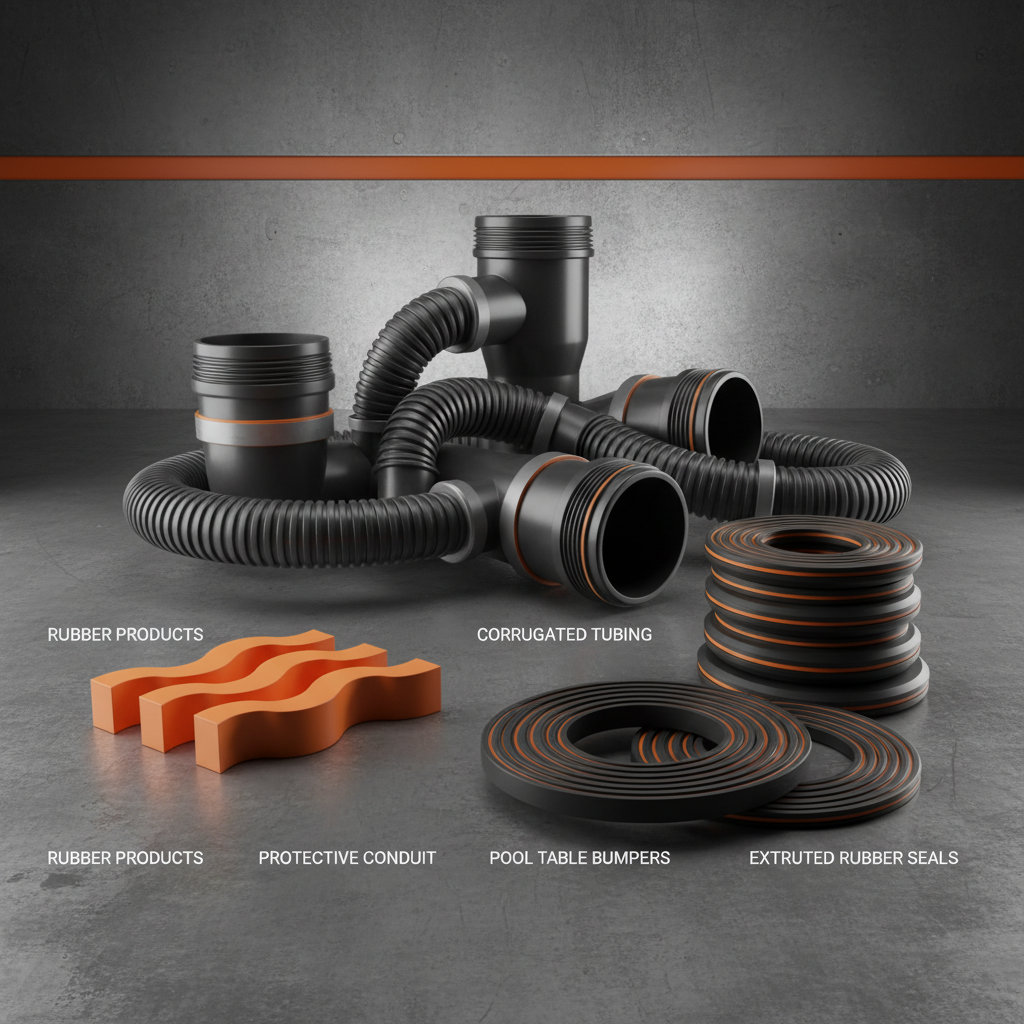
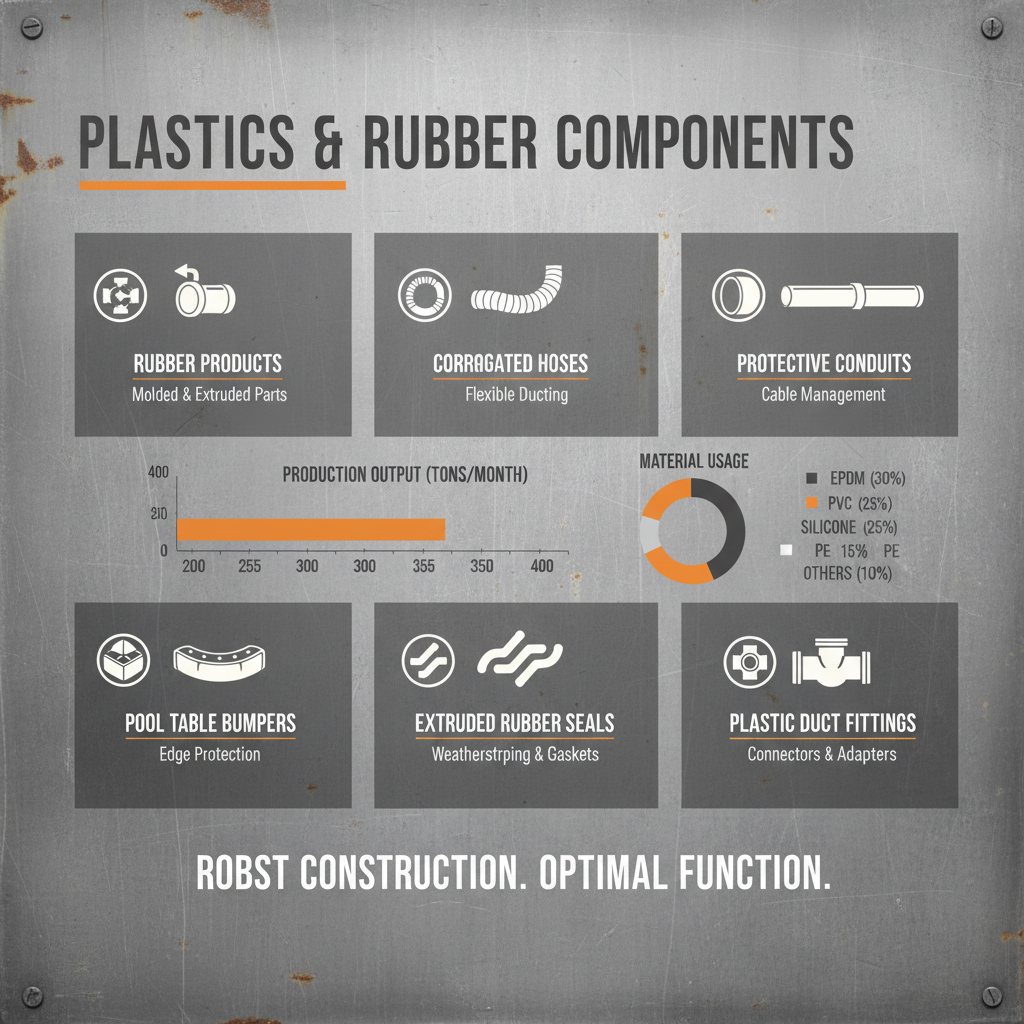
Okay, so what are we talking about? Plastic duct fittings are components used to connect, transition, and support ductwork in HVAC, ventilation, and exhaust systems. Traditionally, these were almost exclusively made of galvanized steel. But advancements in polymer science have allowed us to create fittings from materials like polypropylene (PP), polyvinyl chloride (PVC), and polyethylene (PE). They come in all shapes and sizes – elbows, tees, reducers, adapters, you name it – just like their steel counterparts.
The key difference is the material itself. These plastics are lightweight, non-corrosive, and relatively easy to work with. They're also incredibly versatile. Depending on the specific plastic used, they can handle a wide range of temperatures and pressures. What ties it all together is the core need: to move air efficiently and safely from one point to another. Whether it’s fresh air in an office building or exhaust fumes in a manufacturing plant, the fittings are crucial to the whole system.
This isn't some futuristic technology. It's a practical solution to a lot of common problems in construction. It's about understanding the strengths of different materials and applying them where they make the most sense. And frankly, in a growing number of applications, plastic is making a lot of sense.
Core Advantages: Why We’re Switching to Plastic
Let’s cut to the chase: why are more and more of us on the ground switching to plastic? First, it’s the weight. Seriously, your back will thank you. Steel fittings are heavy and cumbersome. Plastic fittings are a fraction of the weight, making installation much easier and faster. Second, corrosion resistance is a huge benefit. Steel rusts, especially in humid or corrosive environments. Plastic doesn’t. This translates to longer-lasting systems and reduced maintenance costs.
Third, the cost can be competitive, especially when you factor in labor savings and the reduced need for maintenance. Fourth, the smooth interior surfaces of plastic fittings reduce friction, improving airflow efficiency. This can lead to lower energy consumption and better system performance. Fifth, the ease of fabrication—cutting, joining, and adapting are often simpler with plastic. And finally, the consistency. You get the same dimensions every time, which minimizes errors during installation.
It’s a holistic improvement, really. It's not just one single advantage, it’s a combination of factors that make plastic fittings a smarter choice for a lot of projects. Plus, the manufacturers are constantly innovating, coming up with new materials and designs to address specific challenges.
Global Applications: Where Plastic Fittings Shine
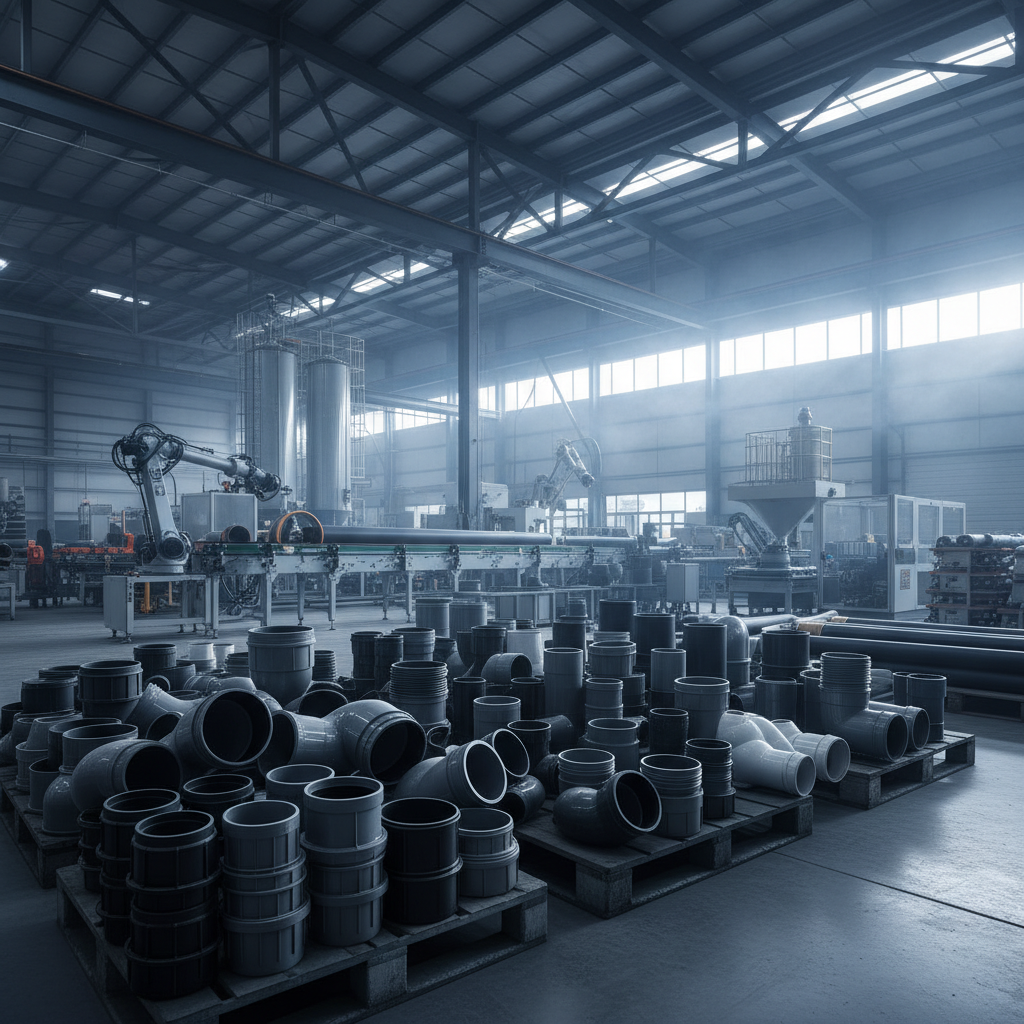
You’re seeing plastic duct fittings popping up everywhere, and for good reason. In commercial HVAC systems, they're becoming standard for indoor air distribution. In industrial settings, they're handling corrosive fumes and exhaust gases. In wastewater treatment plants, they're used for ventilation and odor control. In food processing facilities, they offer a hygienic and easy-to-clean solution.
I recently worked on a project in a coastal power plant where saltwater corrosion was a major issue. Steel ductwork was constantly failing, requiring frequent repairs and replacements. We switched to polypropylene fittings, and the corrosion problems virtually disappeared. I’ve also seen them used extensively in cleanroom environments where maintaining air purity is critical. The smooth surfaces and non-shedding properties of plastic make it ideal for these applications.
Globally, you'll find them being used in everything from large-scale infrastructure projects to small residential installations. They're particularly popular in regions with high humidity or corrosive environments, but the benefits are universal. The demand is growing steadily, and the technology is constantly evolving to meet new challenges.
Plastic Duct Fittings Performance by Method
The Long-Term Value Proposition: Cost, Safety, and Sustainability
Look beyond the initial price tag. While steel might sometimes be cheaper upfront, you have to factor in the long-term costs. Labor, maintenance, repairs, and replacements all add up. Plastic duct fittings often require less maintenance and last longer, resulting in lower overall lifecycle costs. It’s a smart investment.
Safety is another big factor. The lighter weight of plastic fittings reduces the risk of strains and injuries during installation. The smooth surfaces also minimize the risk of cuts and abrasions. And let’s not forget sustainability. Many plastic fittings are made from recyclable materials, and their longer lifespan reduces the need for frequent replacements, which minimizes waste.
Future Trends: Innovation in plastic duct fittings Technology
The industry isn't standing still. We’re seeing advancements in polymer blends that offer even greater strength, temperature resistance, and chemical compatibility. There's also a growing focus on developing more sustainable plastics from renewable sources. And I expect to see more integration of smart technology, such as sensors embedded in the fittings to monitor airflow and detect leaks.
One area that’s particularly exciting is the development of antimicrobial plastics. These fittings can help prevent the growth of mold and bacteria, making them ideal for healthcare facilities and food processing plants. 3D printing is also starting to play a role, allowing for the creation of custom fittings tailored to specific applications.
Addressing Challenges: Real-World Solutions for plastic duct fittings
Now, it’s not all sunshine and roses. Plastic fittings do have some limitations. They can be more susceptible to damage from impact than steel, and some plastics may not be suitable for extremely high temperatures or pressures. The key is to choose the right material for the application and to follow proper installation procedures.
I’ve seen issues with improper solvent welding leading to leaks. It's crucial to use the correct solvent and to follow the manufacturer's instructions carefully. Also, UV exposure can degrade some plastics over time, so it's important to protect them from direct sunlight. But these challenges are manageable with proper planning and execution.
The biggest thing is education. Making sure the guys on the ground understand the properties of different plastics and how to work with them correctly. That’s where manufacturers can really add value—providing training and support to ensure successful installations.
Plastic Duct Fittings: Material Comparison & Suitability
| Material Type |
Temperature Resistance (°C) |
Chemical Resistance (1-10) |
Typical Applications |
| Polypropylene (PP) |
60-80 |
8 |
HVAC, Chemical Processing |
| Polyvinyl Chloride (PVC) |
60 |
7 |
Wastewater Treatment, Drainage |
| Polyethylene (PE) |
80 |
6 |
Underground Ducting, Irrigation |
| CPVC (Chlorinated PVC) |
90 |
9 |
Hot Water Systems, Industrial Ventilation |
| PVDF (Polyvinylidene Fluoride) |
150 |
10 |
Highly Corrosive Environments, Semiconductor |
| ABS (Acrylonitrile Butadiene Styrene) |
80 |
5 |
Low-Pressure Ventilation, Non-Critical Applications |
FAQS
Many plastic duct fittings, particularly those made from UV-stabilized polypropylene or PVC, are suitable for outdoor use. However, prolonged exposure to direct sunlight can still cause degradation over time. It’s best to choose fittings specifically designed for outdoor applications and consider protective measures like painting or shielding. Proper material selection is key.
Joining plastic duct fittings typically involves solvent welding, threading, or using gaskets and clamps. Solvent welding requires careful preparation of the surfaces and the use of the correct solvent for the specific plastic. Threading requires specialized tools and knowledge. Gaskets and clamps are a simpler option for some applications. Always follow the manufacturer's instructions.
The temperature limitations vary depending on the type of plastic used. Polypropylene generally handles temperatures up to 80°C, while PVC is typically limited to around 60°C. CPVC can withstand higher temperatures, up to 90°C. Always check the manufacturer's specifications to ensure the fitting is suitable for the intended temperature range.
While plastic fittings may not have the same tensile strength as steel, they offer excellent impact resistance and durability in many applications. Modern polypropylene fittings are surprisingly strong and can withstand significant pressure. The key is to choose the right material for the specific application and to ensure proper installation.
Plastic duct fittings are generally easy to clean with mild soap and water. Avoid using abrasive cleaners or solvents that could damage the plastic. Regular inspection for cracks, leaks, or damage is important. Promptly repair any damage to prevent further deterioration.
While most plastics are combustible, many plastic duct fittings are formulated to be flame-retardant and meet specific fire safety standards. It’s important to choose fittings that are certified to the relevant standards for your application. Proper installation and compliance with building codes are also crucial for fire safety.
Conclusion
So, where does all this leave us? Plastic duct fittings have moved beyond being just a cost-saving alternative to steel. They’re a legitimate, often superior, solution for a wide range of HVAC and industrial applications. They offer benefits in terms of weight, corrosion resistance, ease of installation, and long-term cost savings. The key is to understand the different types of plastics, choose the right material for the job, and ensure proper installation.
The industry is continuing to innovate, and we can expect to see even more advanced plastic materials and designs in the future. My advice? Don’t dismiss plastic fittings out of hand. Take the time to learn about the options and consider them seriously for your next project. You might be surprised at how much they can improve your workflow, reduce your costs, and enhance the overall performance of your systems. For reliable plastic duct fittings and expert advice, visit www.fygasket.com today.