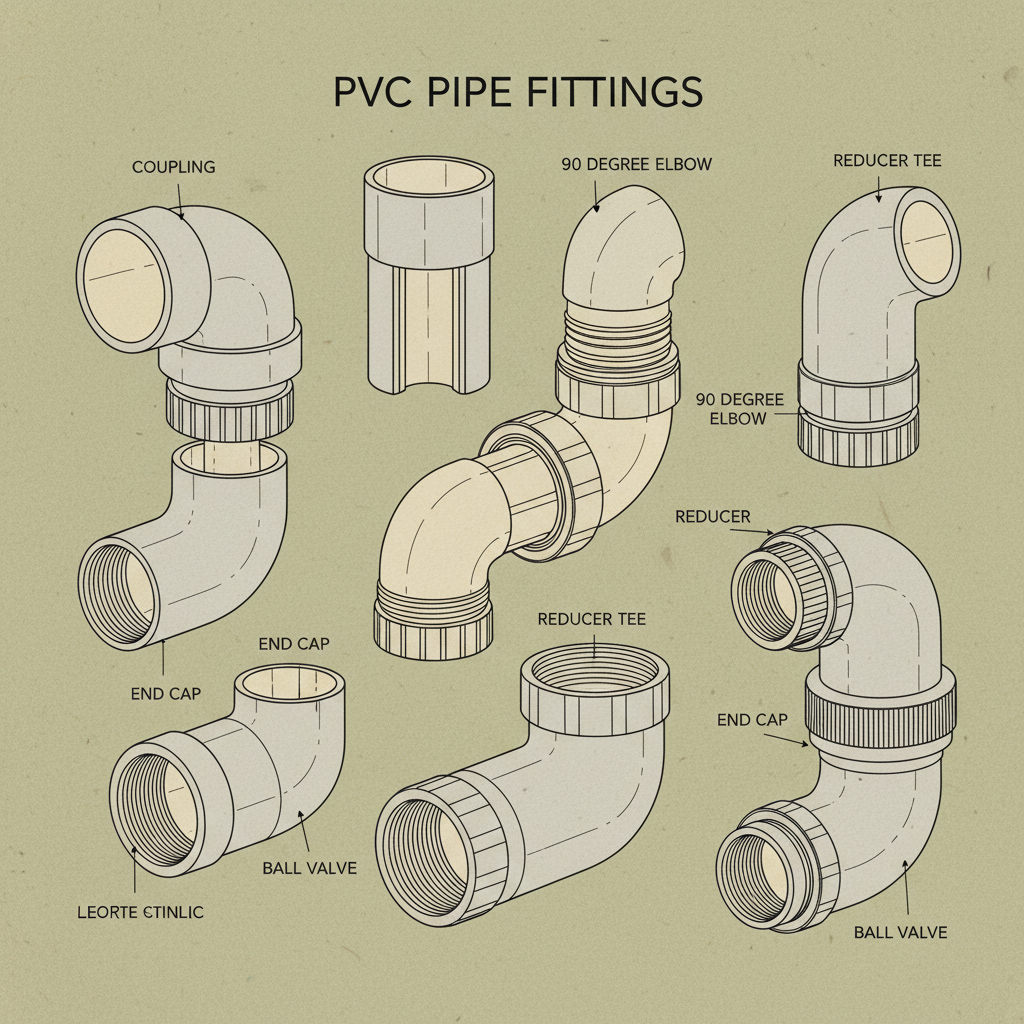
PVC accessories are integral components across numerous industries, playing a crucial role in fluid management, construction, and infrastructure development globally. From simple fittings to complex piping systems, these accessories facilitate the safe and efficient transport of liquids and gases. Understanding their properties, applications, and emerging trends is vital for engineers, contractors, and anyone involved in these sectors. The increasing demand for durable, cost-effective, and sustainable materials has propelled the widespread adoption of PVC accessories worldwide.
Globally, the PVC accessories market is experiencing significant growth, driven by urbanization, industrialization, and infrastructure projects, particularly in developing economies. According to recent reports, the global PVC pipes and fittings market size was valued at USD 60.4 billion in 2023 and is projected to reach USD 83.7 billion by 2032, growing at a CAGR of 3.7% from 2024 to 2032 (Source: Grand View Research). This growth underscores the critical need for high-quality PVC accessories to support these expanding infrastructure networks.
The challenge lies in ensuring the long-term reliability and environmental sustainability of these accessories. Concerns around plastic waste and potential health risks associated with certain PVC formulations are driving innovation towards greener alternatives and improved recycling processes. A comprehensive understanding of PVC accessories is therefore crucial for responsible implementation and long-term success.
Introduction to PVC Accessories
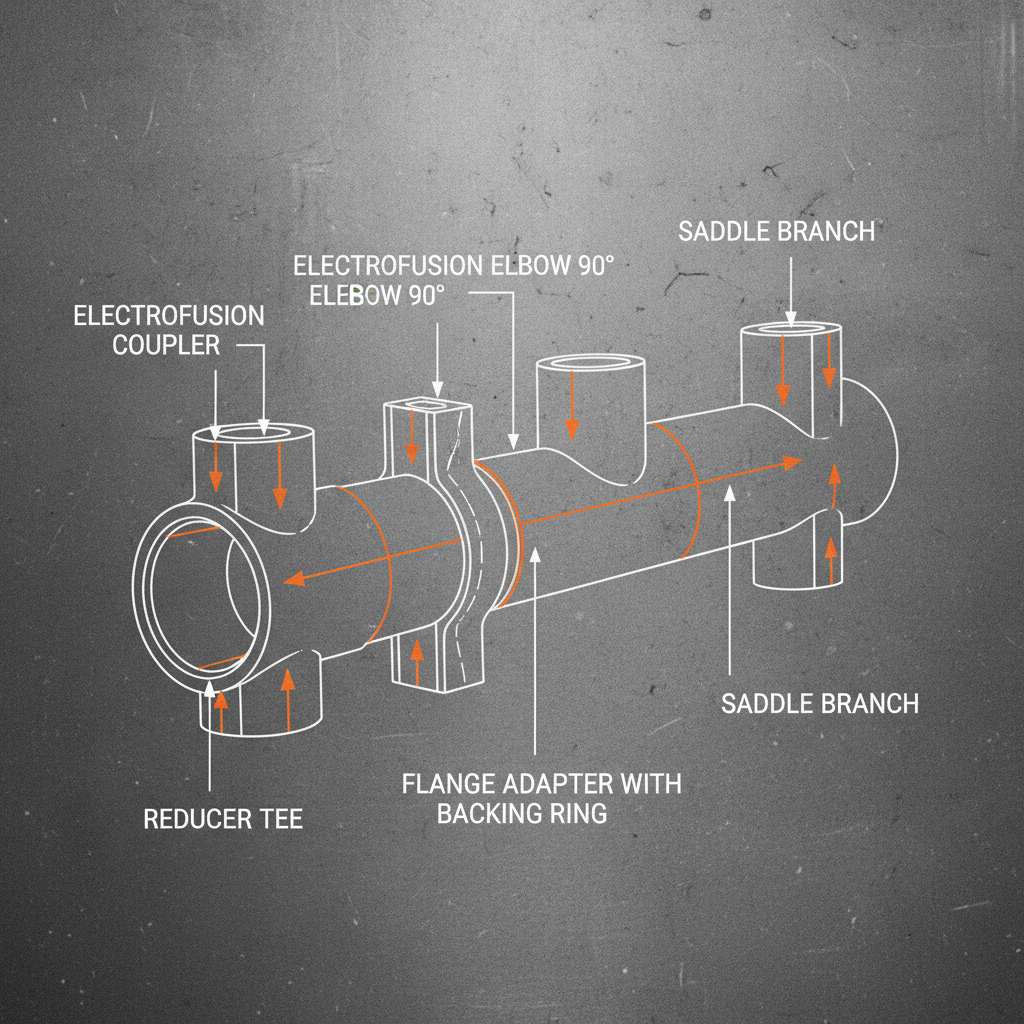
PVC accessories are essentially the connecting components within a PVC piping system. They include a wide range of items such as elbows, tees, couplings, reducers, valves, and flanges. These components are designed to facilitate the joining, directing, and controlling of flow within pipelines used for water distribution, drainage, irrigation, and industrial processes. The functionality and performance of the entire system heavily rely on the quality and compatibility of these accessories.
The versatility of PVC allows these accessories to be molded into an almost limitless variety of shapes and sizes, making them adaptable to diverse applications. Their resistance to corrosion, chemicals, and UV radiation makes them suitable for both indoor and outdoor environments. The proper selection of pvc accessories is therefore paramount to the longevity and efficiency of any plumbing or piping project.
Defining PVC Accessories
In simple terms, PVC accessories are the non-pipe elements that complete a PVC piping system. They're molded from Polyvinyl Chloride (PVC), a versatile thermoplastic polymer known for its durability, chemical resistance, and cost-effectiveness. Unlike pipes which transport fluids, accessories manage the direction, flow rate, and connection points within the system.
Their connection to modern industry is significant. PVC accessories underpin critical infrastructure across sectors – from municipal water supplies and wastewater treatment to agricultural irrigation and chemical processing plants. Without these components, modern fluid management would be significantly hampered. They represent a fundamental building block of many essential systems.
Understanding PVC accessories extends beyond just knowing their names; it’s about comprehending their specific functions, material grades (Schedule 40, Schedule 80, etc.), and appropriate applications. Choosing the correct accessory is critical for ensuring a leak-proof, long-lasting, and compliant piping system.
Core Properties of PVC Accessories
One of the most defining properties of PVC accessories is their remarkable durability. PVC is inherently resistant to corrosion, rust, and degradation from most chemicals, making these accessories ideal for harsh environments. This inherent resistance translates into a longer lifespan and reduced maintenance costs compared to metal alternatives.
Furthermore, PVC accessories exhibit excellent thermal stability. While not suitable for extremely high temperatures, they can reliably operate within a wide range of temperatures without significant deformation or loss of structural integrity. This makes them suitable for both hot and cold water applications, although specific temperature limits should be considered.
Finally, PVC accessories are lightweight and easy to install. Their relatively low weight simplifies handling and reduces labor costs during installation. Furthermore, they can be readily joined using solvent welding or threaded connections, making installation quick and efficient. This combination of properties makes them a preferred choice for a wide array of applications.
Key Performance Indicators
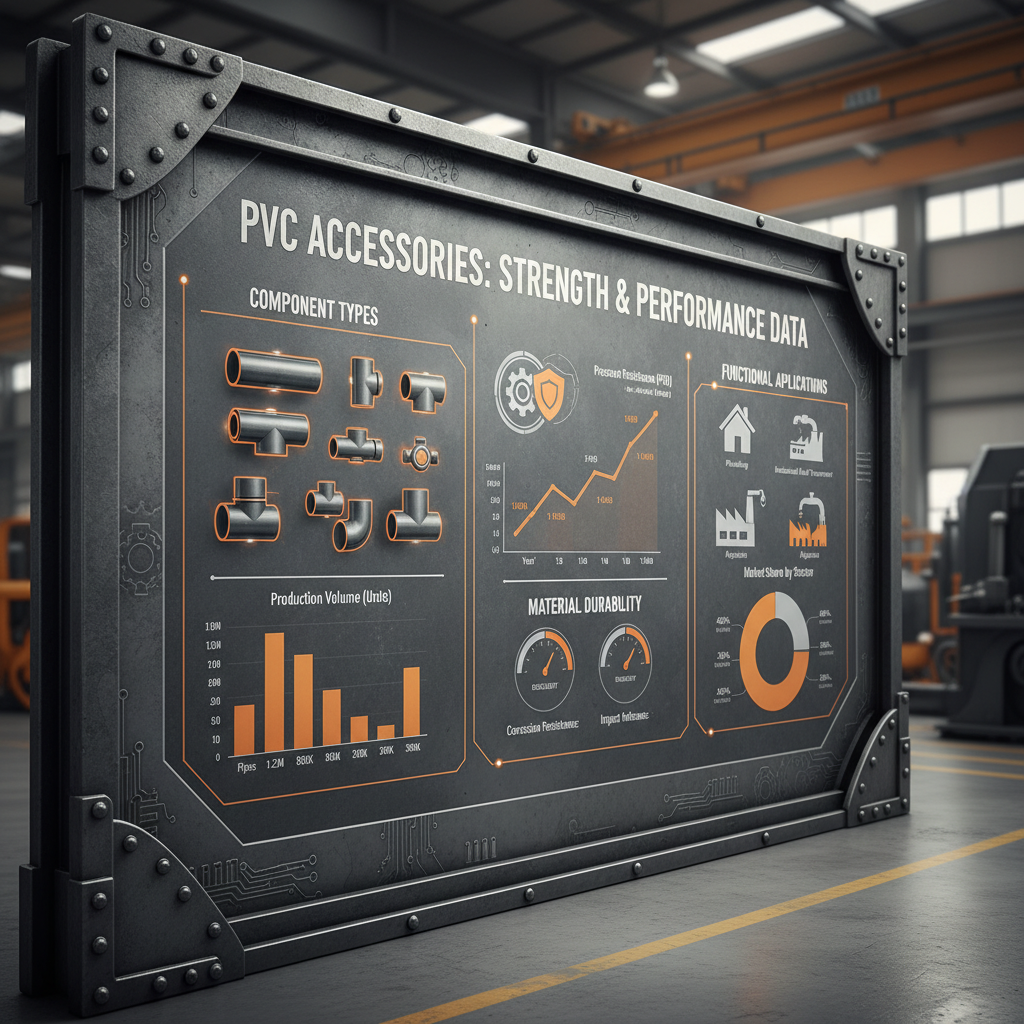
Evaluating the performance of PVC accessories requires considering several key indicators. Firstly, pressure rating is crucial, indicating the maximum pressure the accessory can withstand without failure. This is often denoted by a “Schedule” number (e.g., Schedule 40, Schedule 80), with higher numbers signifying greater pressure resistance.
Secondly, tensile strength measures the accessory’s ability to resist breaking under tension. This is a critical parameter for ensuring long-term structural integrity, especially in applications with high mechanical stress. Thirdly, impact resistance assesses the accessory’s ability to withstand sudden shocks or impacts.
PVC Accessory Performance Ratings
Global Applications and Use Cases
PVC accessories find widespread application in municipal water distribution systems, providing reliable and leak-free connections for transporting potable water to homes and businesses. Their corrosion resistance is critical in this application, ensuring long-term water quality.
In agriculture, pvc accessories are essential for irrigation systems, delivering water efficiently to crops. The ability to create customized irrigation layouts with a variety of fittings makes them invaluable to farmers. In post-disaster relief operations, lightweight and rapidly deployable PVC piping systems, utilizing readily available accessories, provide crucial access to clean water for affected communities.
Moreover, in remote industrial zones, PVC accessories are often chosen for their durability and ease of installation, particularly in environments where access to specialized tools or skilled labor is limited. This robustness makes them a cost-effective solution for various industrial fluid handling needs.
Advantages and Long-Term Value
The most immediate advantage of PVC accessories is their cost-effectiveness. Compared to metal alternatives like brass or stainless steel, PVC is significantly cheaper, reducing overall project costs without compromising performance. This economic benefit is particularly crucial for large-scale infrastructure projects.
Beyond cost, the long-term value stems from their sustainability and reliability. PVC is a highly durable material, meaning fewer replacements are needed over time, reducing waste and minimizing disruption. This contributes to a lower lifecycle cost and a smaller environmental footprint. The inherent safety and trust in reliable water systems also offer significant societal benefits.
Future Trends and Innovation
The future of PVC accessories is intertwined with sustainability and technological advancements. There is a growing trend towards the development of bio-based PVC formulations, utilizing renewable resources to reduce reliance on fossil fuels. These “green” PVC alternatives offer a more environmentally friendly option without sacrificing performance.
Digital transformation is also playing a role, with the integration of sensors and IoT technology into PVC accessories to enable real-time monitoring of pressure, flow rates, and potential leaks. This data-driven approach allows for predictive maintenance and optimized system performance. Automation in manufacturing processes is further improving the precision and efficiency of PVC accessory production.
Furthermore, research into advanced polymer blends and additives is ongoing to enhance the properties of PVC accessories, such as increasing their resistance to extreme temperatures and improving their UV stability. These innovations will pave the way for even more versatile and sustainable applications.
Challenges & Solutions
A key challenge with PVC accessories is the potential for plasticizer leaching, which can impact water quality and raise health concerns. However, advancements in PVC formulation, such as using alternative plasticizers and stabilizing agents, are effectively mitigating this issue. Stringent quality control and adherence to industry standards are also critical.
Another challenge is the difficulty of recycling PVC. While PVC is recyclable, the process can be complex and costly. Innovative recycling technologies, such as chemical recycling, are being developed to address this challenge and create a circular economy for PVC materials. Promoting closed-loop systems and encouraging responsible waste management are also essential.
Finally, ensuring the long-term durability of PVC accessories in harsh environments requires careful material selection and proper installation techniques. Utilizing UV-resistant grades of PVC and employing skilled installers can significantly extend the lifespan of these components.
Summary of Solutions to Common PVC Accessory Challenges
| Challenge |
Solution Type |
Specific Strategy |
Implementation Cost (1-10) |
| Plasticizer Leaching |
Material Innovation |
Utilize bio-based plasticizers & stabilizers |
7 |
| Recycling Complexity |
Technological Advancement |
Invest in chemical recycling processes |
9 |
| UV Degradation |
Material Selection |
Use UV-resistant PVC formulations |
5 |
| Installation Errors |
Training & Certification |
Implement installer certification programs |
6 |
| Limited Temperature Range |
Polymer Blending |
Develop PVC blends with enhanced thermal stability |
8 |
| Lack of Industry Standards |
Regulatory Framework |
Establish clear performance standards and testing protocols |
7 |
FAQS
Schedule 40 and Schedule 80 refer to the wall thickness of the PVC accessory. Schedule 80 has a thicker wall, making it suitable for higher pressure and temperature applications. Schedule 40 is generally sufficient for residential and lower-pressure commercial applications, offering a more cost-effective solution. Always consider the specific requirements of your system when choosing between the two, prioritizing safety and long-term reliability. Proper selection ensures optimal performance and prevents potential failures.
Solvent welding creates a strong, permanent bond between PVC accessories and pipes. First, ensure all surfaces are clean and dry. Apply PVC primer to both the inside of the accessory socket and the outside of the pipe end. Immediately follow with PVC cement, applying a generous and even coat. Quickly insert the pipe fully into the accessory, twisting slightly to distribute the cement. Hold firmly for 30 seconds to allow the joint to set. Allow adequate curing time before pressurizing the system.
Yes, PVC accessories manufactured from NSF-certified materials are specifically designed and approved for use in potable water systems. NSF certification ensures the material meets stringent health and safety standards, preventing the leaching of harmful chemicals into the water. Always look for the NSF logo on the accessory to guarantee its suitability for potable water applications. Using non-certified materials could compromise water quality.
A properly installed PVC piping system with quality accessories can have a lifespan of 50 years or more. Factors influencing lifespan include soil conditions, UV exposure, water quality, and operating pressure. Regular inspections and maintenance can further extend the system’s lifespan. Using appropriate PVC formulations and adhering to installation best practices are crucial for maximizing longevity.
Yes, PVC accessories can be used for outdoor applications. However, it's crucial to select UV-resistant PVC formulations to prevent degradation from sunlight exposure. Prolonged exposure to UV radiation can cause the PVC to become brittle and lose its strength. Using UV-stabilized accessories ensures long-term performance and prevents premature failure in outdoor environments. Proper burial or shielding from direct sunlight can also extend the lifespan.
The production of PVC has environmental concerns related to chlorine production and the disposal of PVC waste. However, advancements are being made to mitigate these impacts. Solutions include utilizing bio-based PVC, improving recycling technologies, and promoting responsible waste management practices. Selecting manufacturers committed to sustainable production and utilizing closed-loop recycling systems can minimize the environmental footprint.
Conclusion
In conclusion, PVC accessories are indispensable components in a wide range of industries, offering a compelling combination of durability, cost-effectiveness, and versatility. Their applications span from essential infrastructure like water distribution to specialized uses in agriculture and disaster relief. Understanding the properties, performance indicators, and future trends surrounding PVC accessories is crucial for making informed decisions and ensuring long-term success.
Looking ahead, the industry is poised for continued innovation with a focus on sustainability and technological advancements. Embracing bio-based materials, improved recycling processes, and smart technologies will be vital for addressing environmental concerns and optimizing system performance. For reliable and high-quality pvc accessories, visit our website today!