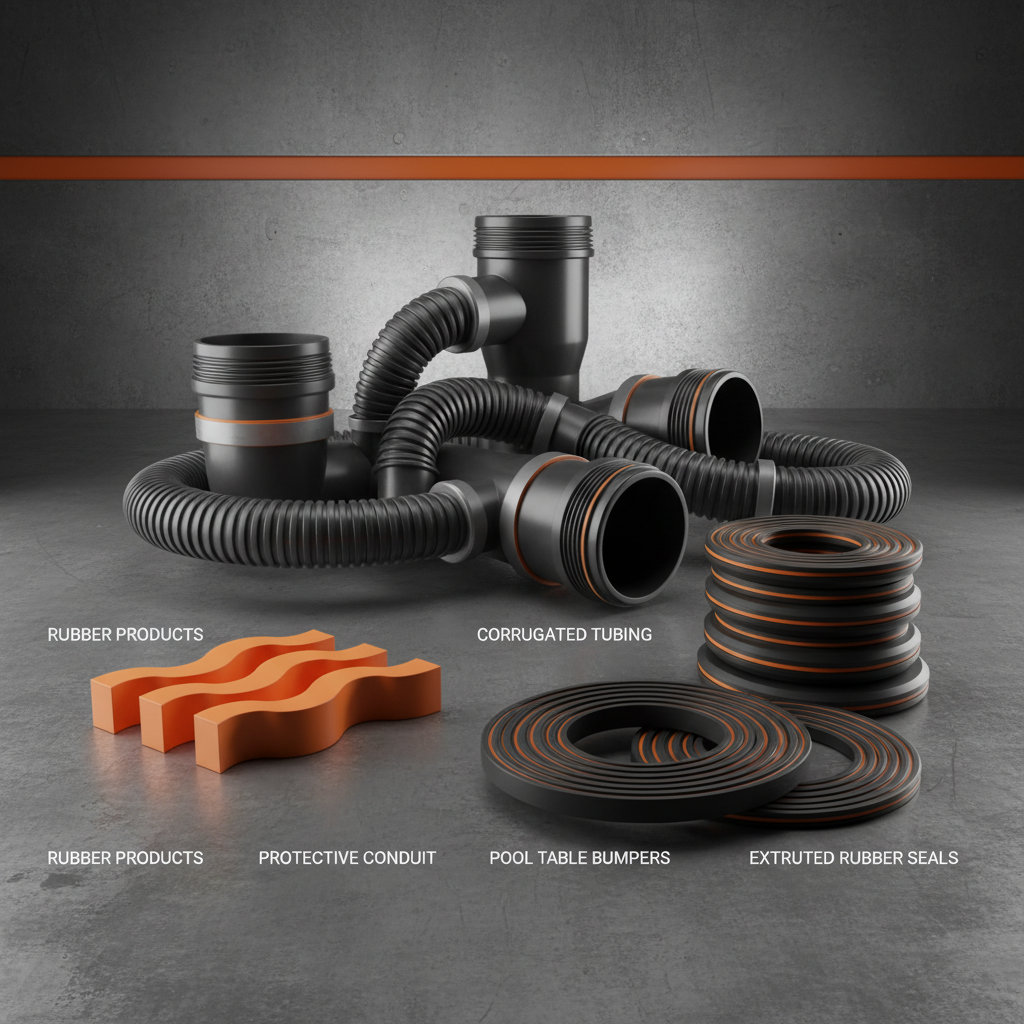
PVC pipe parts are foundational components in modern infrastructure, playing a critical role in everything from potable water distribution and irrigation to wastewater management and industrial processing. Their versatility, durability, and cost-effectiveness have driven their global adoption, making them indispensable for sustainable development. Understanding the nuances of these components – their materials, manufacturing processes, standards, and applications – is crucial for engineers, contractors, policymakers, and anyone involved in building and maintaining robust infrastructure systems.
The global demand for pvc pipe parts continues to grow, fueled by urbanization, population increases, and the need for improved sanitation and water resource management. According to the United Nations, nearly 2.2 billion people lack access to safely managed drinking water services. PVC pipes offer a practical and scalable solution to address this challenge, providing a reliable and affordable means of delivering clean water to communities worldwide. The increasing focus on sustainable building practices also drives demand for innovative pvc pipe parts solutions.
This widespread use isn't without challenges. Concerns around the environmental impact of PVC production and disposal necessitate a focus on recycling, bio-based alternatives, and responsible manufacturing processes. Furthermore, ensuring the long-term integrity and safety of pvc pipe parts requires adherence to stringent quality control standards and regular inspection programs. Ultimately, the responsible utilization of pvc pipe parts is vital for a sustainable future.
Introduction to pvc pipe parts
pvc pipe parts encompass a broad range of fittings, connectors, valves, and other components used in conjunction with polyvinyl chloride (PVC) piping systems. These components are essential for creating watertight, durable, and reliable fluid transfer systems across diverse applications. The quality and proper selection of these parts are crucial for ensuring the longevity and performance of the entire piping network.
From simple couplings to complex manifold systems, pvc pipe parts are designed to meet specific pressure, temperature, and chemical compatibility requirements. They are available in various sizes, schedules (wall thicknesses), and connection types, providing flexibility for a wide range of installation scenarios. Understanding the different types of pvc pipe parts and their intended use is fundamental to effective system design and maintenance.
Defining pvc pipe parts
pvc pipe parts, fundamentally, are the components that enable the functionality of a PVC piping system. While PVC pipe provides the conduit for fluid transport, it's the fittings, adapters, valves, and other parts that facilitate connections, direction changes, flow control, and overall system integrity. They are typically manufactured from the same PVC resin as the pipes, ensuring compatibility and a reliable seal.
These parts are categorized based on their function and connection type. Common categories include elbows, tees, couplings, reducers, valves (ball valves, gate valves, check valves), and threaded fittings. The materials used in pvc pipe parts play a vital role in resisting corrosion and maintaining structural integrity, particularly in demanding environments.
Their connection to modern industry and humanitarian needs is undeniable. In developed nations, they are essential for municipal water systems and industrial processes. In developing regions, affordable and durable pvc pipe parts are crucial for providing access to clean water and sanitation, improving public health, and supporting economic growth.
Core Characteristics of pvc pipe parts
Durability is a key characteristic of pvc pipe parts. PVC is naturally resistant to corrosion, chemical attack, and degradation from UV exposure, making it ideal for long-term use in harsh environments. This robustness minimizes maintenance requirements and extends the lifespan of the piping system, resulting in lower lifecycle costs.
Cost-effectiveness is another significant advantage. Compared to traditional materials like metal, PVC pipe parts are generally less expensive to manufacture and install. This affordability makes them accessible for a wider range of projects, particularly in infrastructure development and residential construction.
Lightweight nature makes pvc pipe parts easy to handle and install, reducing labor costs and project timelines. Their smooth interior surfaces minimize friction and pressure loss, enhancing flow efficiency. Finally, PVC is a readily available material, ensuring consistent supply and reducing the risk of project delays.
Applications Across Industries
The versatility of pvc pipe parts makes them suitable for a vast array of applications. In the agricultural sector, they are used extensively for irrigation systems, delivering water efficiently to crops. The construction industry relies on them for plumbing, drainage, and ventilation systems in residential and commercial buildings.
Industrial processing plants utilize pvc pipe parts for handling a variety of fluids, including chemicals, acids, and wastewater. The chemical resistance of PVC ensures safe and reliable transport of these substances. Furthermore, in the telecommunications industry, PVC conduit protects electrical wiring and fiber optic cables.
Comparative Performance of Different pvc pipe parts Connection Methods
The Advantages of Using pvc pipe parts
The most tangible benefit is the reduced overall cost. Lower material costs, easier installation, and minimized maintenance translate into significant savings over the lifecycle of a project. This makes pvc pipe parts particularly attractive for large-scale infrastructure projects where budget constraints are a concern.
Beyond cost, there's a strong sustainability aspect. PVC is a durable material, leading to fewer replacements and reduced waste. Moreover, advancements in PVC recycling technologies are improving the environmental profile of this material. Choosing pvc pipe parts contributes to a more resource-efficient and environmentally responsible infrastructure.
Emerging Trends in pvc pipe parts
One notable trend is the development of bio-based PVC alternatives. These materials utilize renewable resources, reducing dependence on fossil fuels and minimizing the carbon footprint of pvc pipe parts production. Research and development in this area are continuously improving the performance and cost-competitiveness of these bio-based options.
Another trend is the integration of smart technology into pvc pipe parts. Sensors embedded within fittings and pipes can monitor pressure, flow rate, and other critical parameters, providing real-time data for predictive maintenance and efficient resource management. This data-driven approach optimizes system performance and prevents costly failures.
Furthermore, innovative joining techniques, such as electrofusion welding, are enhancing the strength and reliability of PVC connections. These advanced methods create a more secure and leak-proof seal, extending the lifespan of the piping system and reducing the risk of environmental contamination.
Addressing Challenges and Future Outlook
A primary challenge is the public perception regarding the environmental impact of PVC. Addressing this requires transparent communication about the advancements in recycling technologies and the development of sustainable PVC alternatives. Promoting responsible manufacturing practices and end-of-life management strategies is also essential.
Another challenge is ensuring the long-term durability and performance of pvc pipe parts in extreme environments. Ongoing research is focused on developing PVC formulations that are more resistant to high temperatures, UV radiation, and chemical attack. Utilizing advanced materials and coatings can further enhance the resilience of these components.
Looking ahead, the future of pvc pipe parts is bright. Continued innovation in materials science, manufacturing processes, and smart technology will drive further improvements in performance, sustainability, and cost-effectiveness. As the demand for robust and reliable infrastructure continues to grow, pvc pipe parts will remain a vital component of building a more sustainable and resilient future.
Summary of Key Considerations for Selecting Optimal pvc pipe parts
| Application Area |
Material Grade |
Connection Type |
Pressure Rating |
| Potable Water Distribution |
PVC Type I, Grade 1 |
Solvent Welding or Threaded |
150 PSI |
| Wastewater Management |
PVC Type II, Grade 1 |
Solvent Welding or Gasketed |
100 PSI |
| Irrigation Systems |
PVC Schedule 40 |
Pressure Fittings |
60 PSI |
| Industrial Chemical Handling |
CPVC (Chlorinated PVC) |
Solvent Welding |
200 PSI |
| Electrical Conduit |
Rigid PVC Schedule 80 |
Threaded or Cemented |
N/A |
| Drainage Systems |
PVC Type DWV |
Solvent Welding |
5 PSI |
FAQS
Schedule 40 and Schedule 80 refer to the wall thickness of the PVC pipe, influencing its pressure-bearing capacity. Schedule 80 has thicker walls, making it suitable for higher-pressure applications and offering greater impact resistance. Schedule 40 is generally used for lower-pressure systems like irrigation or drainage, offering a more cost-effective solution. Selecting the appropriate schedule is crucial for ensuring the safety and longevity of the piping system.
Proper surface preparation is essential for a strong solvent weld. Clean both the pipe and fitting surfaces with a PVC cleaner to remove dirt, grease, and any other contaminants. Ensure the surfaces are dry before applying PVC primer. The primer softens the PVC, creating a chemical bond when the solvent cement is applied. Follow the manufacturer’s instructions for the specific primer and cement being used, ensuring adequate ventilation.
CPVC (Chlorinated PVC) is a PVC derivative with increased chlorine content, enhancing its temperature resistance and chemical compatibility. While standard PVC is suitable for applications up to 140°F (60°C), CPVC can withstand temperatures up to 200°F (93°C). This makes it ideal for hot water distribution systems and industrial processes involving corrosive chemicals. CPVC fittings and pipes are typically off-white or yellowish in color.
While PVC can handle some level of air pressure, it’s generally not recommended for sustained compressed air applications. PVC can become brittle over time when exposed to constant pressure and can crack or fail. For compressed air, materials like aluminum, copper, or polyethylene are more suitable. If PVC is used in a compressed air system, it's crucial to derate the pressure significantly and regularly inspect for damage.
Store pvc pipe parts in a cool, dry, and well-ventilated area, away from direct sunlight and extreme temperatures. Avoid stacking pipes and fittings directly on the ground, and use pallets or supports to prevent deformation. Protect the parts from physical damage during storage and transportation. Proper storage ensures the parts maintain their quality and performance characteristics.
Look for pvc pipe parts that meet industry standards such as ASTM D1785 (for PVC pipe) and ASTM D2466 (for PVC fittings). Certifications from organizations like NSF International indicate that the parts are safe for potable water applications. Ensure the parts are clearly labeled with the manufacturer’s name, size, schedule, and applicable standards to verify their quality and compliance.
Conclusion
In conclusion, pvc pipe parts are indispensable components of modern infrastructure, offering a unique combination of durability, cost-effectiveness, and versatility. From potable water systems to industrial processing plants, these components play a critical role in ensuring the safe and efficient transport of fluids. Understanding their properties, applications, and emerging trends is essential for professionals across various industries.
Looking forward, continued innovation in materials science and manufacturing processes will further enhance the sustainability and performance of pvc pipe parts. Embracing responsible manufacturing practices, promoting recycling initiatives, and exploring bio-based alternatives are key to maximizing the long-term benefits of this vital material. For more information on high-quality pvc pipe parts and solutions, visit our website: www.fygasket.com