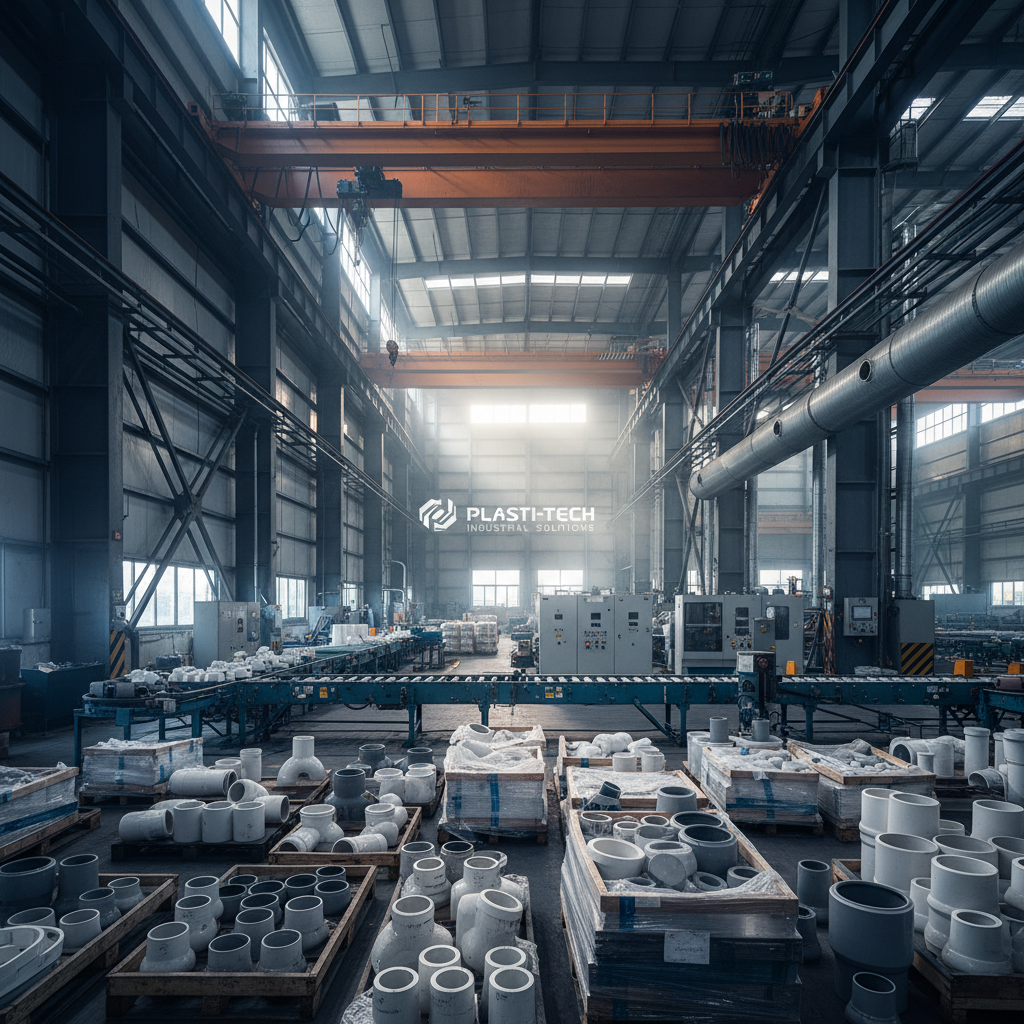
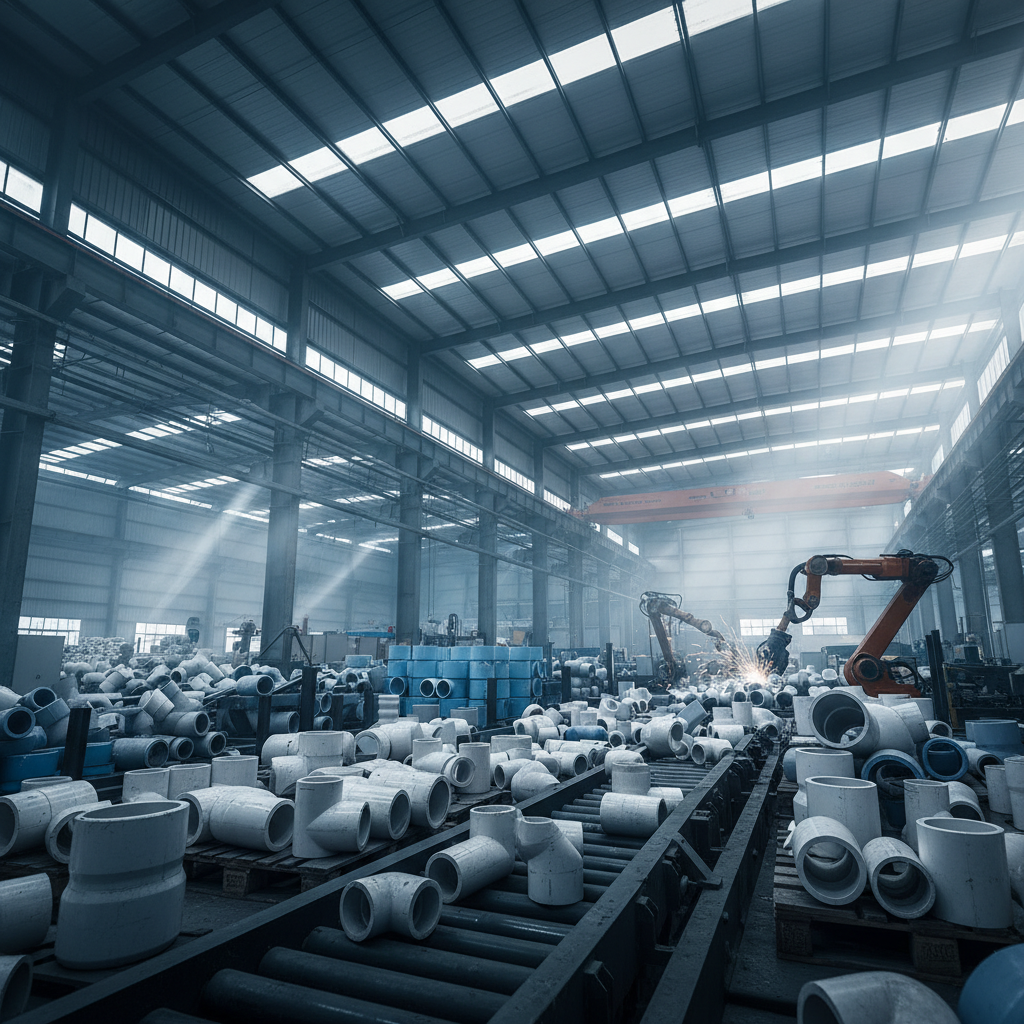
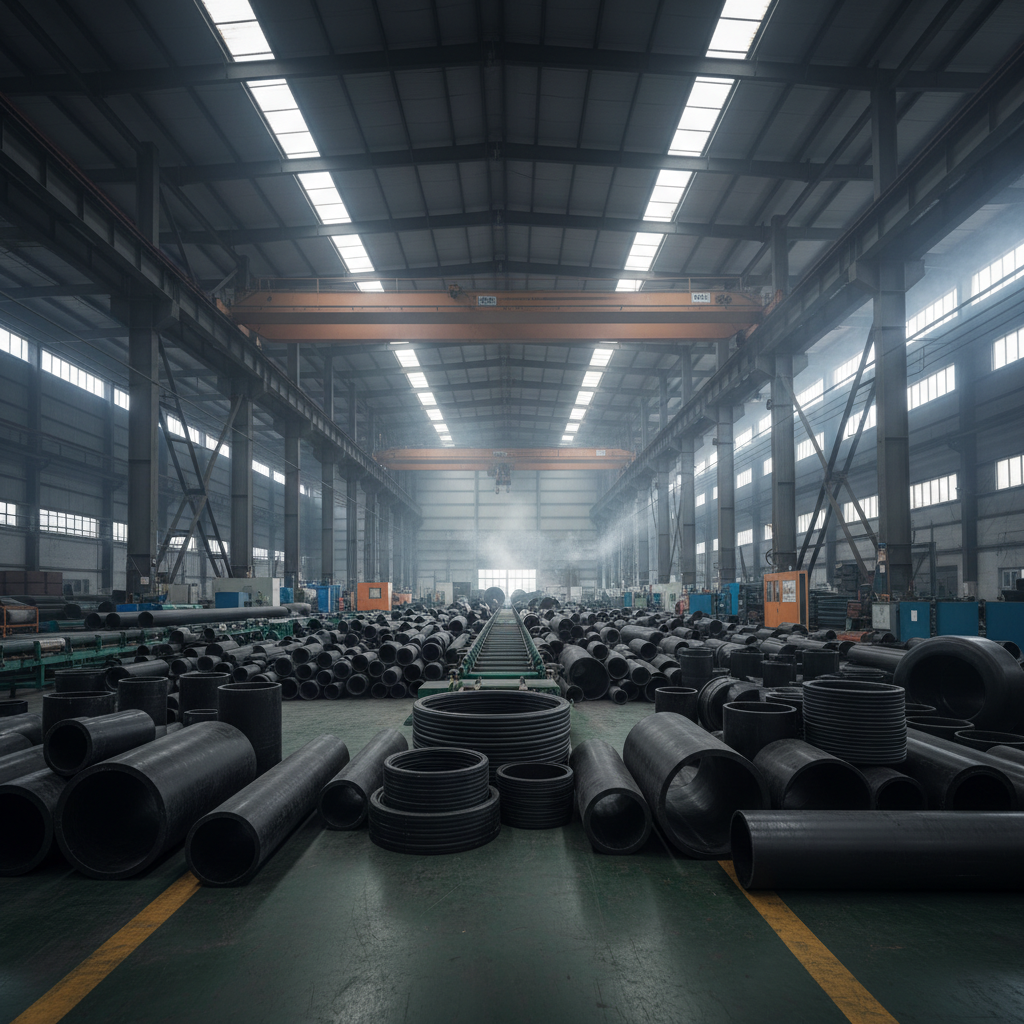
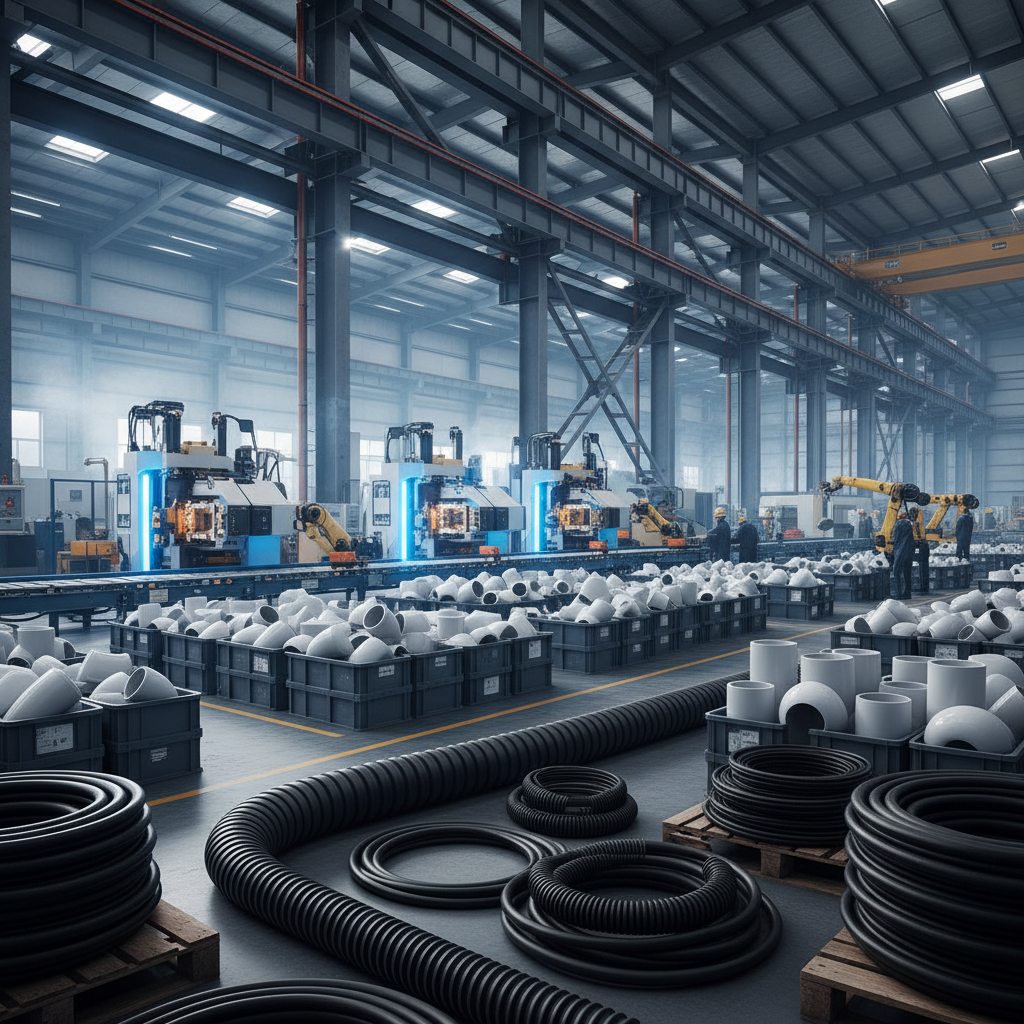
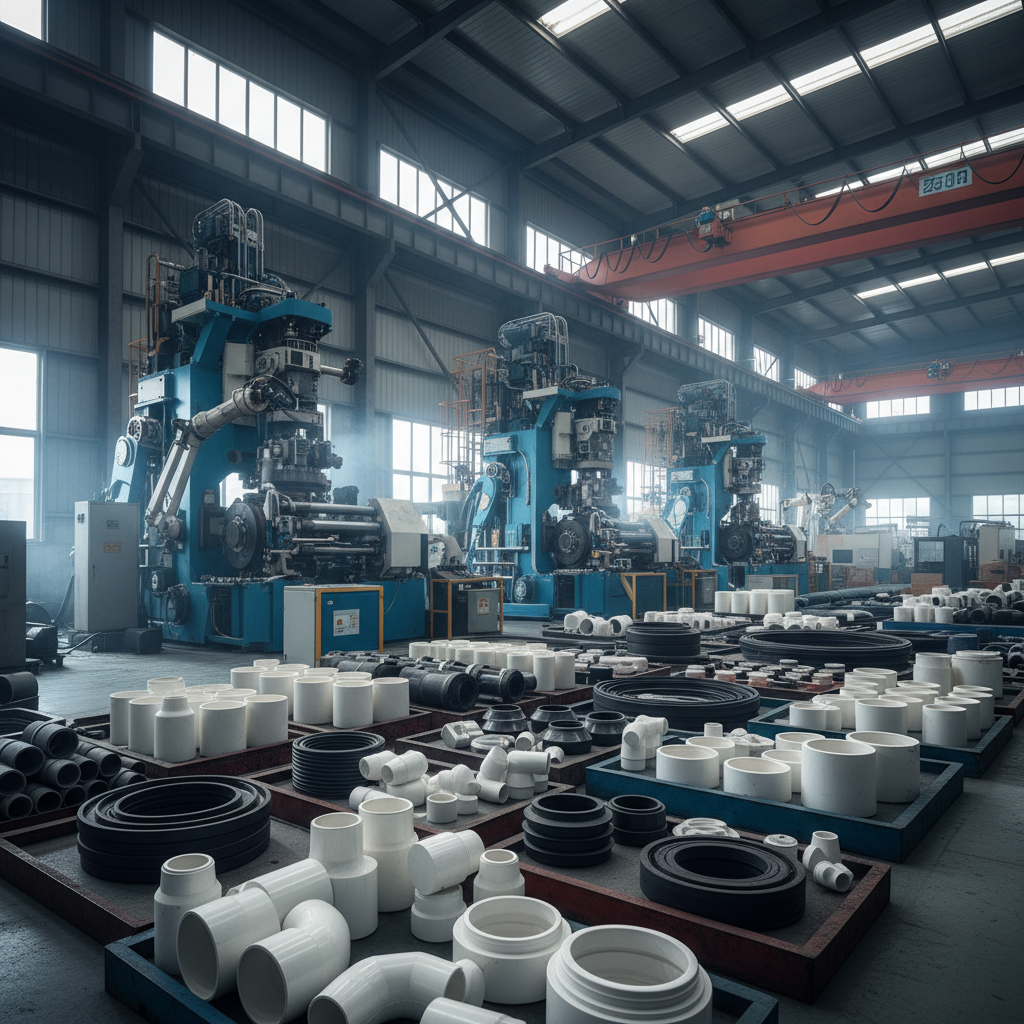
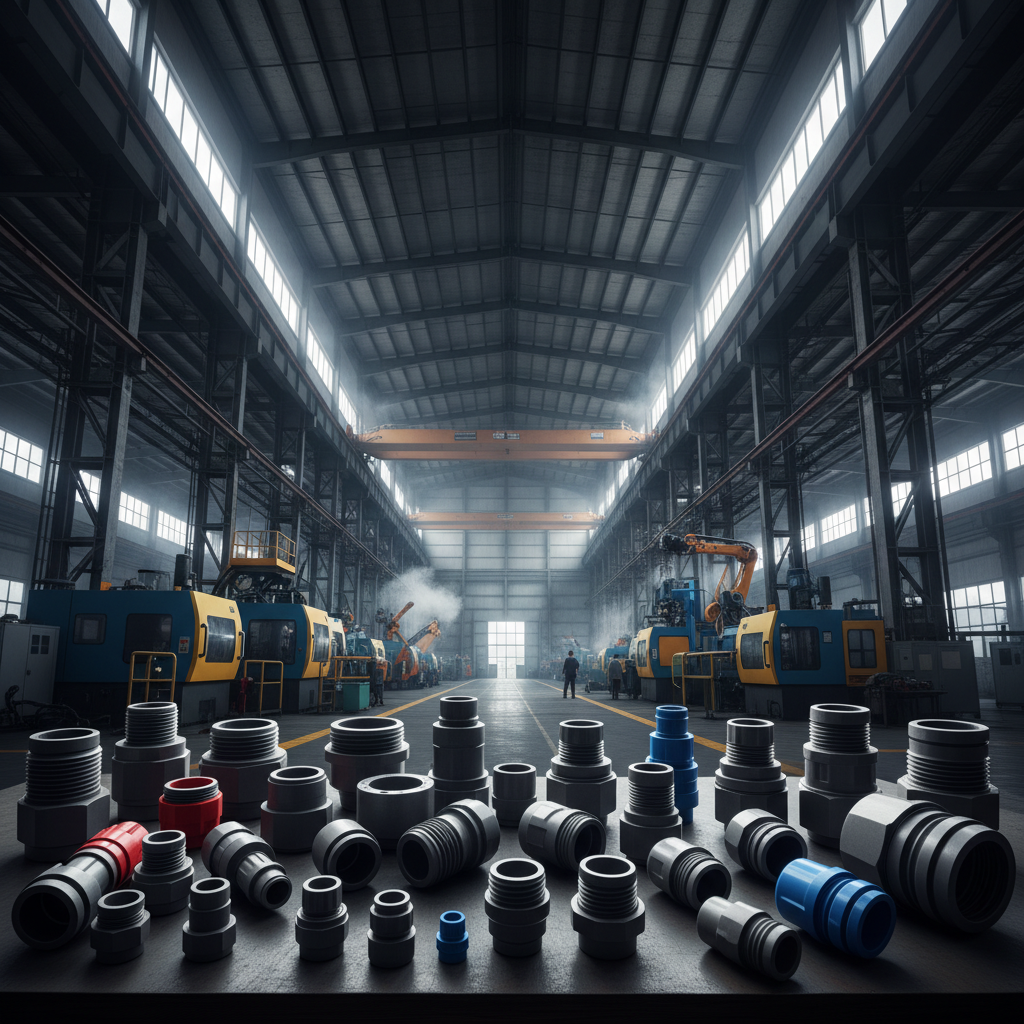
PVC pipe spare parts are critical components in a vast array of industries, from water management and agriculture to construction and chemical processing. Their widespread use stems from a unique combination of durability, cost-effectiveness, and versatility, making them essential for maintaining infrastructure and supporting critical operations globally. Understanding the nuances of these spare parts – including materials, standards, and applications – is paramount for engineers, facility managers, and procurement specialists alike.
The global market for PVC pipe and its associated spare parts is substantial and continuously growing, driven by increasing urbanization, infrastructure development in emerging economies, and a growing need for efficient water distribution systems. According to recent reports, the PVC pipe market is projected to reach billions of dollars in the coming years, underlining the significant economic impact of this essential material. This growth necessitates a strong focus on quality control, reliable sourcing, and effective management of spare parts inventories.
Addressing challenges related to the longevity and performance of PVC piping systems requires proactive maintenance and readily available spare parts. From couplings and gaskets to valves and fittings, access to quality replacements is crucial for preventing costly disruptions, ensuring system integrity, and minimizing environmental impact. This makes understanding the landscape of pvc pipe spare parts a vital component of any long-term infrastructure strategy.
The Importance of PVC Pipe Spare Parts
The availability of reliable pvc pipe spare parts is directly linked to the operational efficiency and longevity of any PVC piping system. Regular maintenance and timely replacements of worn or damaged components are essential for preventing leaks, minimizing downtime, and ensuring the safe and efficient transport of fluids. Ignoring these aspects can lead to costly repairs, environmental concerns, and potential safety hazards.
Furthermore, a proactive approach to spare parts management – including accurate inventory tracking, strategic sourcing, and quality assurance – is vital for optimizing costs and mitigating risks. This is especially critical in remote or challenging environments where access to replacements may be limited, and downtime can have significant consequences.
Global Relevance and Market Overview
PVC piping systems are utilized worldwide, addressing critical needs in water supply, irrigation, sewage disposal, and industrial processes. Consequently, the demand for pvc pipe spare parts is consistently high across diverse geographical regions. Developing nations undergoing rapid urbanization and infrastructure expansion represent significant growth markets, while established economies prioritize system maintenance and upgrades.
The United Nations and the World Bank actively promote sustainable water management practices, which often involve the implementation and upkeep of efficient PVC piping networks. ISO standards play a crucial role in ensuring the quality and compatibility of PVC pipe components, including spare parts, fostering confidence and facilitating international trade. The global PVC market is segmented by product type (pipes, fittings, valves), application (infrastructure, industrial, agriculture), and region (North America, Europe, Asia-Pacific, etc.).
A major challenge facing the industry is ensuring a consistent supply of high-quality spare parts while managing price fluctuations and mitigating the risks associated with counterfeit products. Effective supply chain management, robust quality control measures, and strong relationships with reputable manufacturers are essential for overcoming these obstacles and delivering reliable solutions to end-users.
Defining PVC Pipe Spare Parts
PVC pipe spare parts encompass all the individual components required to maintain, repair, or extend the functionality of a PVC piping system. This broad category includes fittings (elbows, tees, couplings, reducers), valves (gate, check, ball), gaskets and seals, clamps and restraints, and specialized components for specific applications. These parts are designed to work seamlessly with PVC pipes, ensuring a watertight and durable connection.
Crucially, not all spare parts are created equal. Material quality, adherence to industry standards (ASTM, ANSI), and precise manufacturing tolerances are paramount. Using substandard or incompatible parts can compromise system integrity, leading to leaks, failures, and potential environmental damage. Therefore, it’s essential to source spare parts from reputable suppliers and verify their specifications before installation.
The need for these parts extends beyond simple repairs. Spare parts are also critical for system expansions, modifications, and upgrades. As infrastructure evolves and demands change, the ability to readily adapt and enhance PVC piping networks with compatible spare parts is essential for long-term sustainability and efficiency.
Key Attributes of PVC Pipe Spare Parts
Durability is a cornerstone of PVC pipe spare parts. PVC’s inherent resistance to corrosion, chemical attack, and abrasion ensures a long service life, even in harsh environments. This reduces the frequency of replacements and lowers long-term maintenance costs.
Compatibility is another essential attribute. Spare parts must be precisely engineered to fit seamlessly with existing PVC piping systems, ensuring watertight seals and preventing leaks. Adherence to relevant industry standards, such as ASTM D1785 and ASTM D2466, guarantees interchangeability and system integrity.
Comparative Analysis of PVC Pipe Spare Parts Attributes
Applications Across Industries
The applications of pvc pipe spare parts are incredibly diverse. In agriculture, they are essential for maintaining irrigation systems, ensuring reliable water delivery to crops. In construction, they play a vital role in plumbing, drainage, and sewage systems, underpinning the functionality of buildings and infrastructure.
Industrial facilities rely on PVC spare parts for chemical processing, water treatment, and waste management, where resistance to corrosion and chemical attack is paramount. In post-disaster relief operations, readily available PVC pipe and spare parts can be quickly deployed to establish temporary water supply and sanitation systems, providing critical aid to affected communities. In remote industrial zones, these parts allow for self-sufficiency in maintaining vital infrastructure.
Long-Term Benefits and Value Proposition
Investing in high-quality pvc pipe spare parts offers substantial long-term cost savings. Reduced maintenance frequency, minimized downtime, and extended system lifespan translate into lower operational expenses and increased productivity. The inherent durability of PVC materials also contributes to reduced environmental impact by minimizing the need for frequent replacements.
Beyond economic benefits, PVC provides a degree of safety and reliability that's crucial in many applications. A properly maintained PVC piping system is less prone to leaks and failures, safeguarding water quality, preventing property damage, and protecting public health. Choosing reputable suppliers and adhering to industry standards fosters trust and confidence in the long-term performance of the system.
The sustainability aspect of PVC, with increasing emphasis on recycling and responsible manufacturing practices, adds further value. Innovative solutions like recycled PVC pipe and eco-friendly manufacturing processes are contributing to a more circular economy, making PVC a more environmentally responsible choice.
Future Trends and Innovations
The future of pvc pipe spare parts is likely to be shaped by several key trends. The integration of smart technologies, such as sensors and data analytics, will enable predictive maintenance, allowing for proactive identification of potential issues before they escalate into costly repairs. Digital platforms and online marketplaces will streamline the procurement process, making it easier to source and order spare parts.
Advances in materials science are leading to the development of enhanced PVC formulations with improved properties, such as increased flexibility, higher temperature resistance, and enhanced UV protection. Sustainable manufacturing practices, including the use of bio-based PVC and closed-loop recycling systems, are gaining traction, reducing the environmental footprint of the industry. The rise of automation in manufacturing processes is also contributing to improved quality control and reduced production costs.
The growing emphasis on water conservation and efficient resource management will drive demand for innovative PVC piping solutions that minimize leaks and optimize water distribution. These advancements will require ongoing collaboration between manufacturers, researchers, and end-users to ensure the development and adoption of cutting-edge technologies.
Summary of Challenges and Solutions in PVC Pipe Spare Parts Management
| Challenge Area |
Impact on Operations |
Potential Solution |
Implementation Cost (1-10) |
| Counterfeit Parts |
System failures, safety hazards |
Verified supplier networks, quality control checks |
6 |
| Inventory Management |
Stockouts, excessive holding costs |
Digital inventory tracking, demand forecasting |
7 |
| Lack of Standardization |
Compatibility issues, installation difficulties |
Adherence to ISO/ASTM standards |
4 |
| Supply Chain Disruptions |
Delays, increased costs |
Diversified sourcing, strategic stockpiling |
8 |
| Aging Infrastructure |
Increased repair needs, system vulnerabilities |
Proactive maintenance programs, component upgrades |
5 |
| Skill Gap in Maintenance |
Improper installations, reduced system lifespan |
Training programs, certified technicians |
6 |
FAQS
The lifespan of PVC pipe spare parts varies depending on the application, environmental conditions, and quality of materials. Generally, high-quality PVC components can last for 50 years or more in optimal conditions. However, factors like UV exposure, temperature fluctuations, and chemical contact can accelerate degradation. Regular inspections and timely replacements are essential to maximize longevity.
When sourcing pvc pipe spare parts, prioritize certifications like ASTM D1785 (for PVC pipes) and ASTM D2466 (for PVC fittings). These standards ensure the components meet specific performance criteria and dimensional requirements. NSF certification indicates that the parts are safe for potable water applications. ISO 9001 certification demonstrates the manufacturer's commitment to quality management systems.
Accurate identification is crucial. Measure the pipe diameter and wall thickness to ensure the spare part matches. Note the pipe schedule (e.g., Schedule 40, Schedule 80) as this impacts compatibility. Consult the manufacturer’s specifications or a qualified plumbing professional if unsure. Using the wrong size or type of part can compromise the system's integrity.
PVC offers several advantages, including exceptional durability, corrosion resistance, and cost-effectiveness. It’s lightweight, easy to install, and requires minimal maintenance. PVC also exhibits excellent chemical resistance, making it suitable for a wide range of applications. Compared to metal pipes, PVC is less susceptible to rust and scaling, reducing flow restrictions.
Store pvc pipe spare parts in a cool, dry, and well-ventilated area away from direct sunlight and extreme temperatures. Avoid stacking heavy objects on top of the parts to prevent deformation. Protect them from chemicals and solvents that could cause degradation. Proper storage extends the lifespan and maintains the quality of the components.
First, shut off the water supply to isolate the leak. Identify the source of the leak – it could be a cracked pipe, a loose fitting, or a damaged gasket. Replace the faulty component with a compatible pvc pipe spare part, ensuring a secure and watertight connection. If the leak is extensive or you are unsure how to proceed, consult a qualified plumbing professional.
Conclusion
In conclusion, pvc pipe spare parts are indispensable components for maintaining the integrity, efficiency, and longevity of PVC piping systems across a wide range of industries. Understanding their importance, key attributes, and proper application is crucial for optimizing performance, minimizing costs, and ensuring sustainable operations. Proactive maintenance, reliable sourcing, and adherence to industry standards are vital for maximizing the value of these essential components.
Looking ahead, the continued innovation in materials science, smart technologies, and sustainable manufacturing practices will further enhance the capabilities and benefits of PVC pipe spare parts. By embracing these advancements and prioritizing responsible stewardship, we can ensure that PVC piping systems continue to play a critical role in addressing global challenges related to water management, infrastructure development, and environmental sustainability. Visit our website at www.fygasket.com to explore our comprehensive range of high-quality PVC pipe spare parts and solutions.