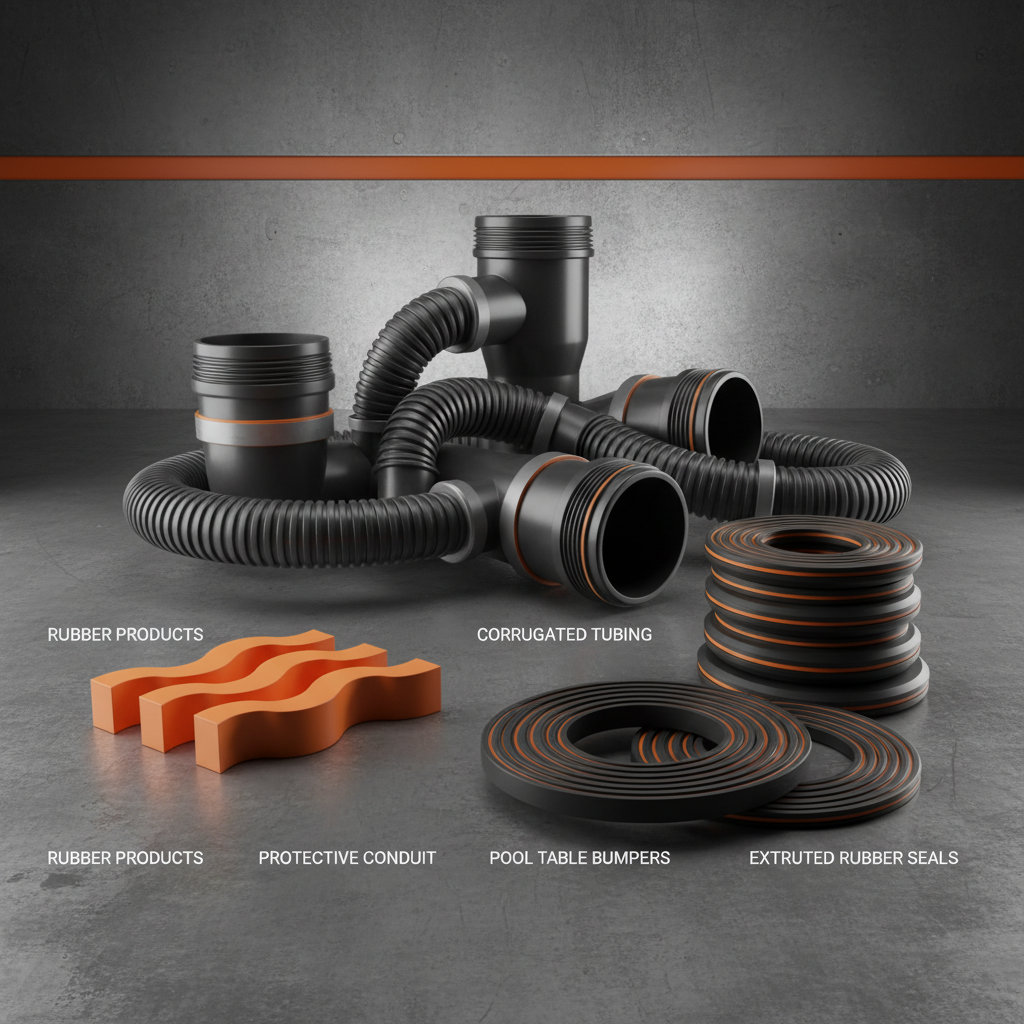
Black PVC pipe fittings are integral components in a vast array of modern infrastructure projects, from potable water distribution and irrigation systems to drainage and wastewater management. Their robustness, cost-effectiveness, and ease of installation have made them a preferred choice globally, contributing significantly to public health and sanitation initiatives. Understanding the nuances of black PVC pipe fittings – their properties, applications, and evolving technologies – is crucial for engineers, contractors, and policymakers alike.
The global demand for black PVC pipe fittings is driven by rapid urbanization, population growth, and increasing investments in infrastructure development, particularly in emerging economies. According to the United Nations, over half the world’s population currently lives in urban areas, a figure projected to rise to 68% by 2050. This urbanization necessitates extensive water and wastewater management systems, creating a sustained need for reliable and affordable piping solutions like those offered by black PVC.
Beyond basic infrastructure, black PVC pipe fittings are also playing an increasingly important role in specialized applications, such as industrial processing, chemical transport, and even aquaculture. Their resistance to corrosion and chemical degradation, coupled with their relatively lightweight nature, makes them adaptable to a diverse range of environments and operational requirements. The challenge lies in optimizing their production and application for enhanced sustainability and long-term performance.
The Significance of Black PVC Pipe Fittings
Black PVC pipe fittings are far more than simple connectors; they are critical components in ensuring the safe and efficient transport of fluids across diverse industries. Their consistent performance and longevity contribute to reducing maintenance costs and minimizing disruptions in vital services. The integration of UV stabilizers in the formulation of black PVC enhances its resistance to degradation from sunlight, making it particularly suitable for outdoor applications.
The widespread adoption of black PVC pipe fittings reflects a pragmatic approach to infrastructure development, balancing performance requirements with budgetary constraints. Compared to alternative materials like metal or concrete, PVC offers a compelling combination of durability, ease of handling, and affordability. Furthermore, ongoing research and development efforts are continually improving the properties and sustainability of PVC materials.
Defining Black PVC Pipe Fittings
Black PVC pipe fittings are components used to connect sections of polyvinyl chloride (PVC) pipe in piping systems. The “black” designation signifies the addition of ultraviolet (UV) light stabilizers to the PVC compound, giving it a dark color and enhancing its ability to withstand prolonged exposure to sunlight. Without these stabilizers, PVC can become brittle and degrade when exposed to UV radiation.
These fittings come in a wide variety of shapes and sizes, including elbows, tees, couplings, adapters, and valves, tailored to meet the specific needs of diverse applications. They are typically joined using solvent cement welding, a process that creates a strong, leak-proof bond between the PVC material. This makes them incredibly reliable in transmitting liquids and gases.
Their connection to modern industry stems from the inherent qualities of PVC – its resistance to corrosion, its lightweight nature, and its relatively low cost. They directly address the humanitarian needs associated with safe water supply and sanitation, especially in developing regions, by providing affordable and durable solutions for fluid transport.
Core Properties of Black PVC Pipe Fittings
The defining characteristics of black PVC pipe fittings stem from the chemical composition of PVC and the addition of specific additives. These properties include exceptional resistance to a broad spectrum of chemicals, making them suitable for handling corrosive substances. They also exhibit excellent electrical insulation properties, although this is less frequently a primary consideration in piping applications.
Crucially, black PVC fittings possess high tensile strength, capable of withstanding significant pressure and mechanical stress. Their low thermal conductivity minimizes heat transfer, a benefit in certain applications. Furthermore, they demonstrate excellent fire resistance, although they are combustible and will release potentially harmful fumes when burned. The density of PVC (around 1.4 g/cm³) contributes to its overall durability and stability.
The addition of UV stabilizers is paramount, extending the lifespan of the fittings when exposed to sunlight. These stabilizers absorb UV radiation, preventing the breakdown of the polymer chains and maintaining the material’s integrity. The impact resistance of black PVC fittings is also noteworthy, offering protection against damage during handling and installation.
Key Benefits and Practical Applications
The primary advantage of black PVC pipe fittings lies in their cost-effectiveness without compromising durability. They offer a long service life with minimal maintenance, leading to significant savings over the lifecycle of a project. Their ease of installation, facilitated by solvent cement welding, reduces labor costs and project timelines.
In practical terms, these benefits translate to widespread use in irrigation systems for agriculture, where reliable water delivery is critical for crop yields. They are also extensively used in plumbing for residential and commercial buildings, ensuring safe and sanitary water distribution. Furthermore, black PVC fittings are frequently employed in drainage systems to efficiently remove wastewater and prevent flooding.
Comparison of Black PVC Fitting Performance Metrics
Global Applications and Industries Served
Black PVC pipe fittings find applications across a diverse range of industries globally. In agriculture, they are essential for efficient irrigation systems in regions like California (USA) and parts of Australia, where water conservation is paramount. They are also heavily utilized in construction projects worldwide, from large-scale infrastructure developments in China to residential plumbing in Europe.
The chemical processing industry relies on black PVC fittings for transporting corrosive fluids, ensuring the safety and integrity of their operations. In post-disaster relief operations, their lightweight nature and ease of assembly make them ideal for rapid deployment of temporary water and sanitation systems. Furthermore, they play a vital role in aquaculture, providing durable and non-toxic piping for fish farms and hatcheries.
Advantages and Long-Term Value Proposition
The advantages of using black PVC pipe fittings extend beyond initial cost savings. Their longevity minimizes the need for frequent replacements, reducing lifecycle costs and environmental impact. The inherent corrosion resistance eliminates the risk of leaks and contamination, protecting public health and preventing costly repairs.
From a sustainability perspective, PVC is recyclable, and advancements in recycling technologies are continually improving the recovery and reuse of PVC materials. The robust nature of black PVC fittings contributes to resource efficiency by reducing waste and extending the lifespan of infrastructure. This fosters trust in the long-term reliability of systems utilizing these components.
The emotional benefits also arise from the safety and peace of mind that come with using dependable and hygienic piping systems, especially for potable water distribution and sanitation.
Future Trends and Innovations in PVC Technology
The future of black PVC pipe fittings is intertwined with advancements in materials science and sustainable manufacturing practices. Research is focused on developing bio-based PVC alternatives, utilizing renewable feedstocks to reduce reliance on fossil fuels. The integration of nanotechnology is also being explored to enhance the mechanical properties and durability of PVC materials.
Furthermore, digital technologies, such as smart sensors embedded within piping systems, are enabling real-time monitoring of fluid flow and pressure, optimizing performance and detecting potential leaks. Automation in manufacturing processes is improving efficiency and reducing production costs. These innovations will further solidify the position of black PVC pipe fittings as a vital component of modern infrastructure.
The growing emphasis on circular economy principles will drive increased recycling rates and the development of closed-loop systems for PVC materials, minimizing waste and maximizing resource utilization.
FAQS
The lifespan of black PVC pipe fittings in residential plumbing typically ranges from 50 to 100 years, depending on factors such as water quality, soil conditions, and installation quality. The UV stabilizers in black PVC significantly extend their outdoor lifespan. Regular inspections and maintenance can further prolong their service life. Proper solvent cement welding is critical for long-term reliability.
Yes, black PVC pipe fittings specifically formulated for potable water systems meet stringent health and safety standards. They are non-toxic and do not leach harmful chemicals into the water supply. However, it is crucial to use fittings that are certified by organizations like NSF International to ensure compliance with relevant regulations. Proper flushing of the system after installation is also essential.
Black PVC pipe fittings exhibit good performance across a wide temperature range, typically from -40°C to 60°C (-40°F to 140°F). However, prolonged exposure to extremely high or low temperatures can affect their flexibility and impact resistance. In freezing conditions, pipes should be insulated to prevent cracking due to water expansion.
Proper solvent cementing is crucial for a leak-proof joint. Ensure surfaces are clean, dry, and free of debris. Use the appropriate primer and cement specifically designed for PVC. Apply the primer to both surfaces, followed by the cement, and immediately join the fittings. Avoid twisting or excessive movement during the curing process. Allow sufficient drying time before pressurizing the system.
PVC production has historically raised environmental concerns, but advancements in manufacturing and recycling technologies are addressing these issues. PVC is durable and long-lasting, reducing the need for frequent replacements. It is also recyclable, and increasing efforts are focused on developing closed-loop recycling systems. Choosing PVC fittings made from recycled materials further minimizes environmental impact.
Schedule 40 and Schedule 80 refer to the wall thickness of the PVC pipe and fittings. Schedule 80 fittings have a thicker wall, providing greater pressure resistance and durability. Schedule 40 is generally suitable for residential and low-pressure applications, while Schedule 80 is recommended for high-pressure systems, industrial applications, and situations where increased strength is required. Always select fittings that match the schedule of the pipe.
Conclusion
In summary, black PVC pipe fittings are foundational elements in modern infrastructure, offering a compelling balance of cost-effectiveness, durability, and versatility. Their applications span diverse industries and geographical regions, addressing critical needs for water management, sanitation, and industrial processing. Ongoing innovations in materials science and manufacturing techniques are continually enhancing their performance and sustainability.
Looking ahead, continued investment in research and development, coupled with a commitment to circular economy principles, will be crucial for maximizing the benefits of black PVC pipe fittings. Promoting responsible manufacturing practices, improving recycling infrastructure, and exploring bio-based alternatives will ensure that this essential material remains a viable and sustainable solution for generations to come. For all your black PVC pipe fitting needs, visit our website: fygasket.com