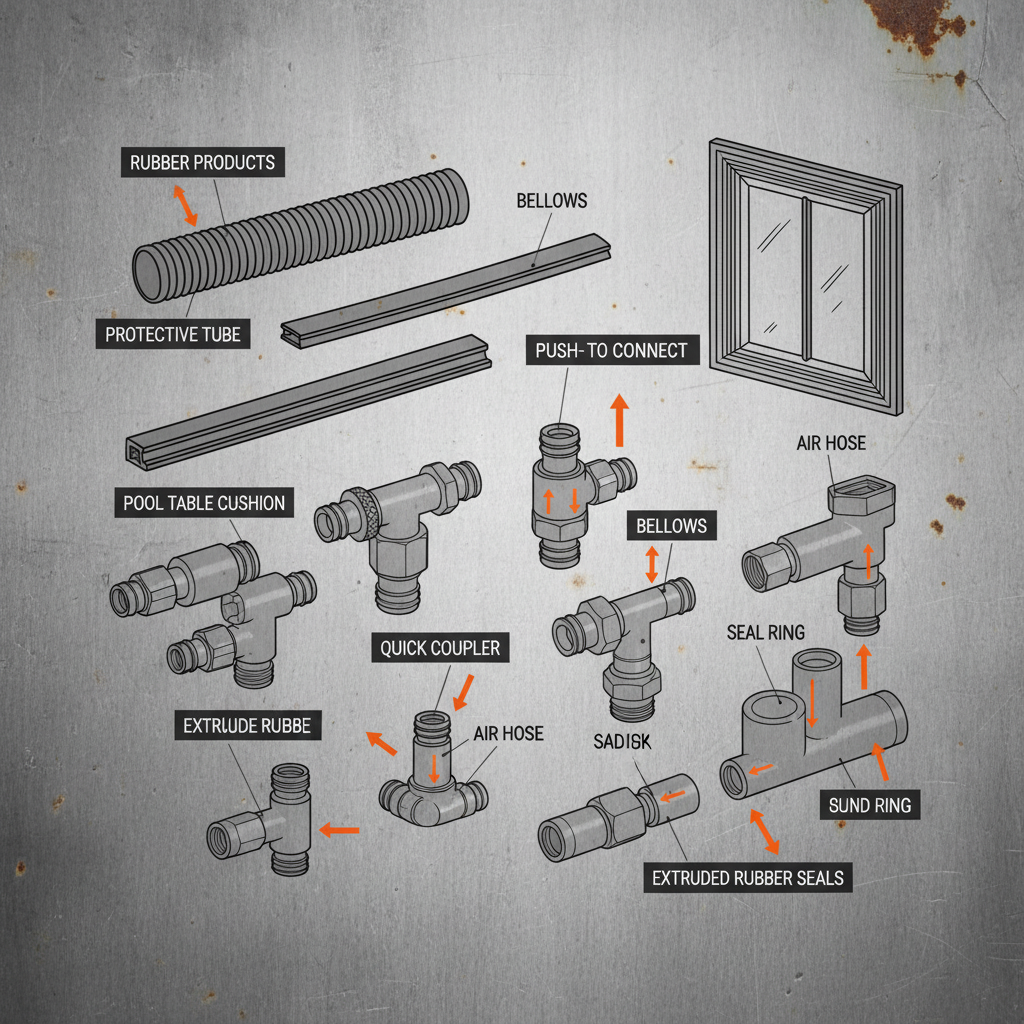
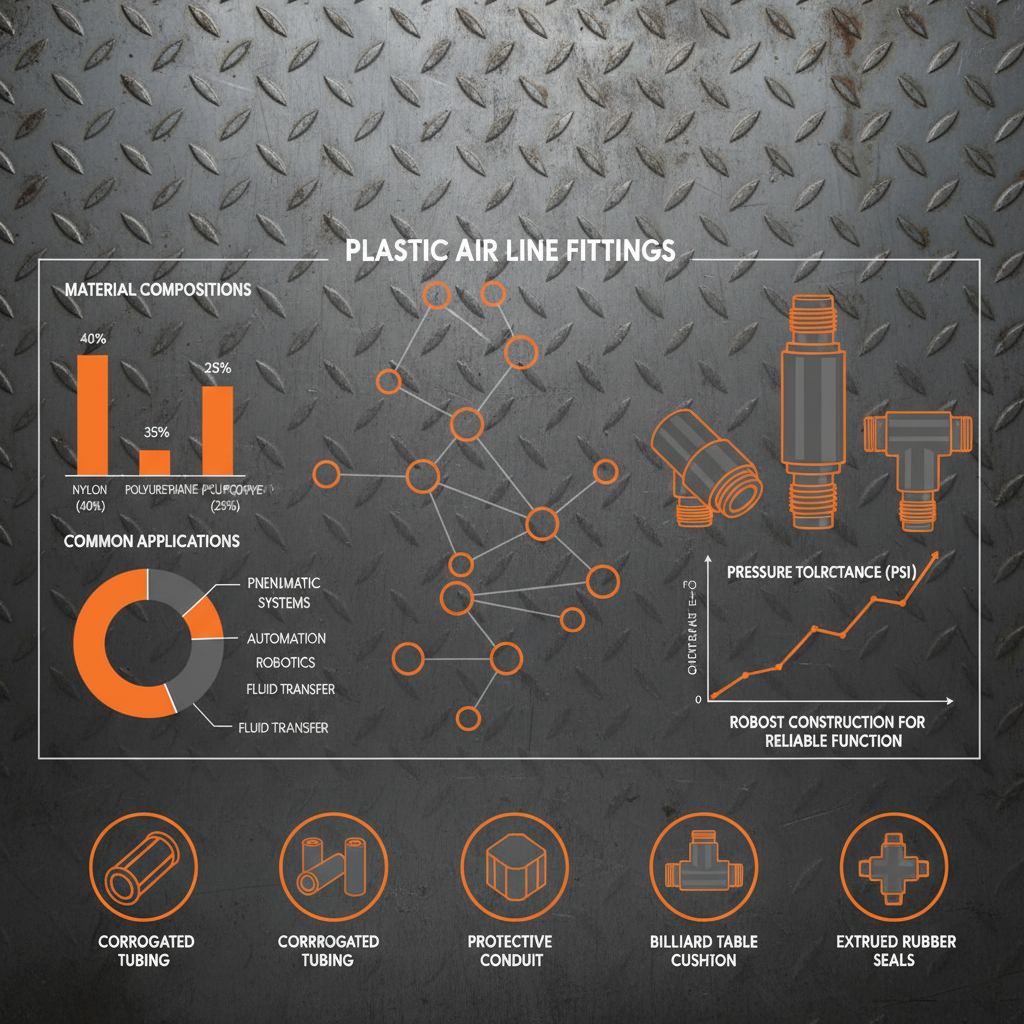
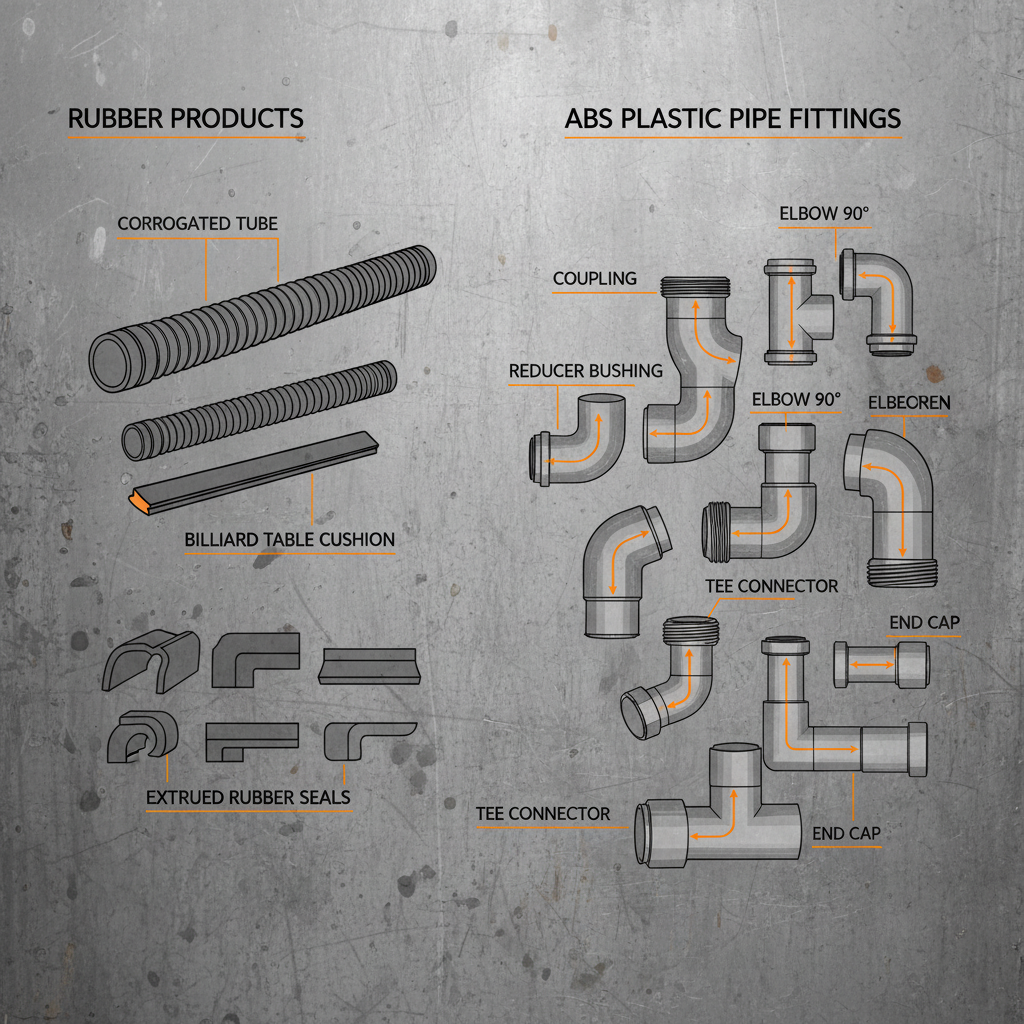
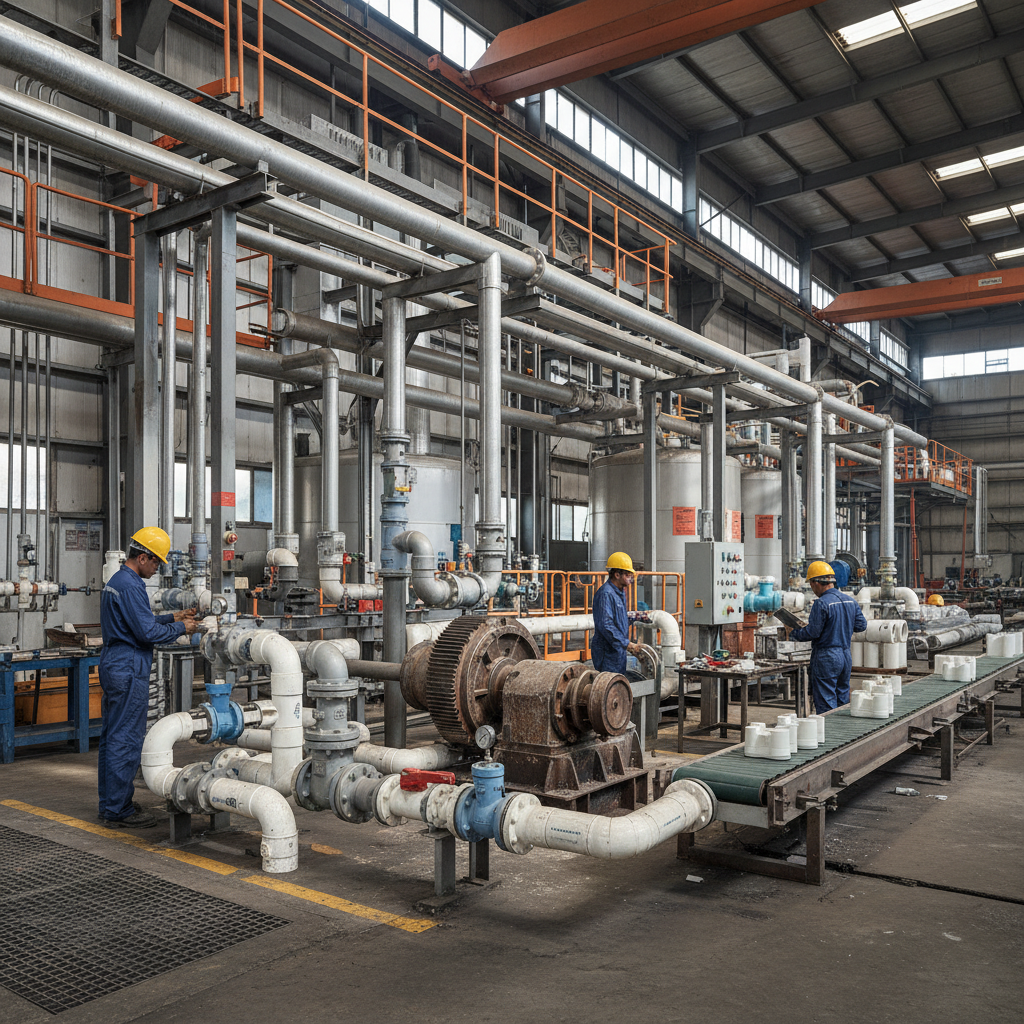
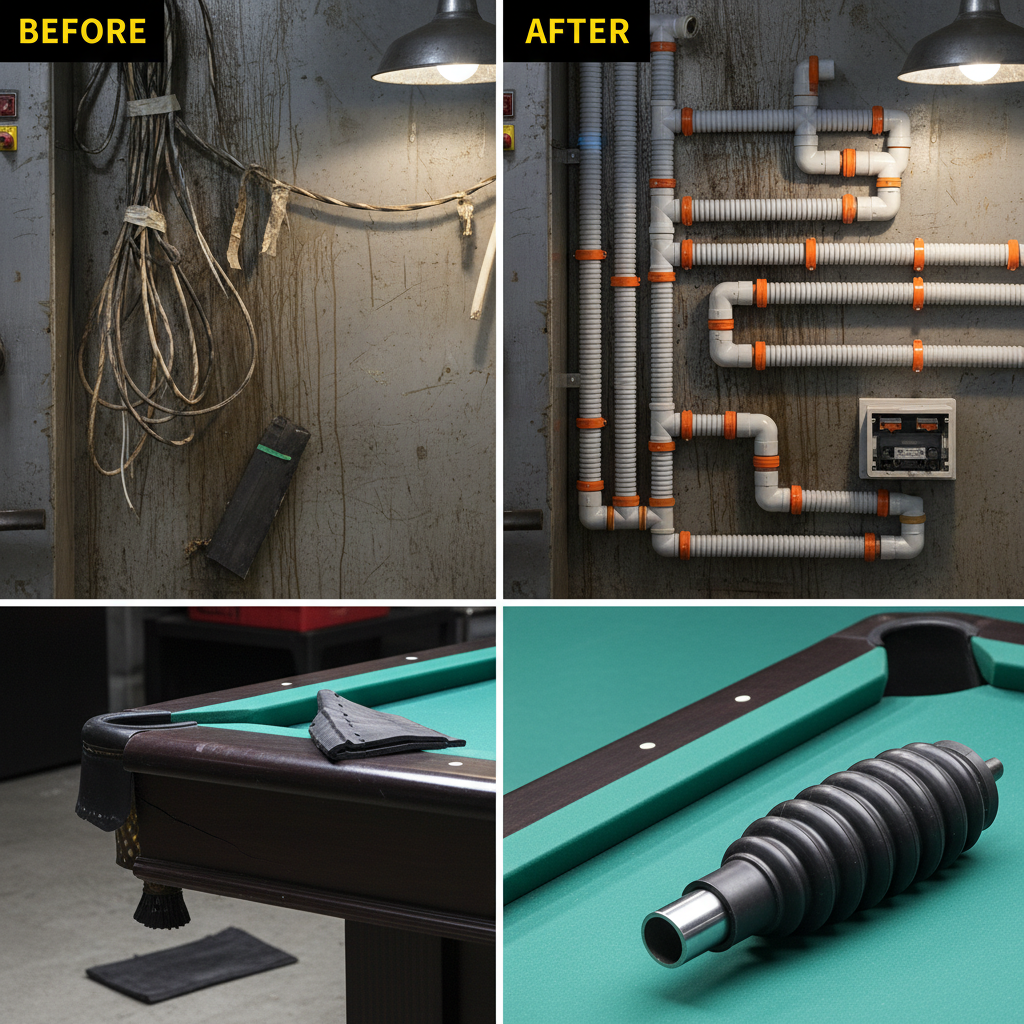
Plastic air line fittings are essential components in pneumatic systems across a vast array of industries, offering a reliable and efficient means of transferring compressed air to power tools, automate processes, and facilitate a multitude of applications. From delicate medical devices to heavy industrial machinery, these fittings play a critical, often unseen, role in modern manufacturing and beyond. Understanding their properties, applications, and future trends is crucial for engineers, technicians, and anyone involved in pneumatic technology.
The global market for pneumatic components, including plastic air line fittings, is experiencing substantial growth, driven by increased automation in manufacturing, rising demand for energy-efficient solutions, and advancements in materials science. According to industry reports, the pneumatic market is projected to reach significant figures in the coming years, highlighting the importance of optimized pneumatic systems and the crucial role that fittings play in their performance. This growth underscores the need for continual innovation and improvement in the design and manufacturing of these components.
Effective utilization of plastic air line fittings can result in increased productivity, reduced energy consumption, and improved system reliability. Choosing the right fitting for a specific application requires careful consideration of factors such as pressure requirements, temperature extremes, chemical compatibility, and the type of tubing being used. Properly selected and installed fittings minimize air leaks, ensure consistent airflow, and contribute to the overall efficiency of pneumatic systems.
Introduction to plastic air line fittings
Plastic air line fittings are connectors used to join sections of air tubing, allowing for the creation of complex pneumatic circuits. They are typically made from materials like polypropylene, nylon, and polyethylene, offering a lightweight and corrosion-resistant alternative to metal fittings. Their ease of installation, coupled with their cost-effectiveness, makes them a popular choice for a wide range of applications.
The selection of appropriate plastic air line fittings is crucial for ensuring the safe and efficient operation of pneumatic systems. Factors such as operating pressure, temperature, and the chemical composition of the compressed air must be considered to prevent leaks, failures, and potential hazards. Choosing fittings that are compatible with the tubing material is also essential for a secure and long-lasting connection.
Global Relevance and Industry Context
The pneumatic industry is a significant contributor to the global economy, supporting sectors such as manufacturing, automotive, aerospace, and healthcare. As automation continues to expand, the demand for reliable and efficient pneumatic components, including plastic air line fittings, is expected to increase substantially. According to a report by the International Organization for Standardization (ISO), the implementation of standardized pneumatic systems can lead to a 15-20% increase in productivity in manufacturing facilities.
The rise of Industry 4.0 and smart manufacturing is driving the need for more sophisticated pneumatic solutions. These include fittings with integrated sensors, quick-connect mechanisms, and advanced materials that can withstand harsh operating conditions. The ability to monitor and control pneumatic systems in real-time is becoming increasingly important for optimizing performance and minimizing downtime.
The growth of emerging economies, particularly in Asia-Pacific, is further fueling the demand for pneumatic components. These regions are experiencing rapid industrialization and are investing heavily in automation technologies. Plastic air line fittings, due to their cost-effectiveness and ease of use, are playing a key role in supporting this growth.
Defining Plastic Air Line Fittings
Plastic air line fittings are components designed to connect sections of flexible tubing used to transport compressed air. Unlike their metal counterparts, plastic fittings are manufactured from various polymers – often polypropylene, nylon, or polyethylene – offering a lightweight, corrosion-resistant, and often more cost-effective solution. They enable the creation of sealed pathways for pneumatic power within a system.
The connection type is a defining characteristic; fittings come in threaded, push-to-connect (quick connect), and barbed designs. Each type is suited for specific applications based on pressure requirements, frequency of connection/disconnection, and the tubing material. Understanding these options is crucial for ensuring a secure and leak-free pneumatic circuit.
In modern industry, plastic air line fittings bridge the gap between compressed air sources and pneumatic devices such as actuators, cylinders, and tools. They contribute to increased efficiency and safety in applications ranging from automated assembly lines to medical equipment. The versatility and adaptability of these fittings make them indispensable in many industrial settings.
Key Characteristics of plastic air line fittings
One of the most important characteristics of plastic air line fittings is their resistance to corrosion. Unlike metal fittings, plastic is not susceptible to rust or oxidation, making it ideal for use in humid or corrosive environments. This durability translates to a longer lifespan and reduced maintenance costs.
Another key characteristic is their lightweight nature. Plastic fittings are significantly lighter than metal fittings, which can be particularly advantageous in applications where weight is a concern, such as portable pneumatic tools or robotic systems. This characteristic can also simplify installation and reduce strain on supporting structures.
Performance Metrics of Common plastic air line fittings Types
Applications Across Industries
Plastic air line fittings are ubiquitous in the manufacturing sector, used in automated assembly lines, robotic systems, and pneumatic tools. Their reliability and affordability make them ideal for high-volume production environments. Furthermore, they are increasingly found in the food and beverage industry, where hygiene and corrosion resistance are paramount.
The medical field also benefits significantly from the use of plastic air line fittings. In applications such as dental drills, surgical instruments, and respiratory devices, the non-toxic and sterilizable properties of plastic are crucial for patient safety. The lightweight nature of these fittings also enhances the ergonomics of medical equipment.
Advantages and Long-Term Value
The cost-effectiveness of plastic air line fittings is a major advantage, reducing overall system expenses compared to metal alternatives. Beyond initial costs, their resistance to corrosion minimizes long-term maintenance and replacement needs, leading to significant savings. The ease of installation further reduces labor costs and downtime.
From a sustainability perspective, many plastic fittings are recyclable, contributing to a circular economy. Their lightweight nature also reduces transportation costs and energy consumption. The improved safety offered by non-conductive plastic materials in certain applications – preventing electrical hazards – adds further value and peace of mind.
Future Trends and Innovations
The development of bio-based plastics for air line fittings is a growing trend, offering a more sustainable alternative to traditional petroleum-based polymers. These materials reduce reliance on fossil fuels and minimize environmental impact. Researchers are also exploring the use of advanced polymers with enhanced temperature and pressure resistance.
Integration of sensors and smart technologies into plastic air line fittings is another area of innovation. These “smart fittings” can provide real-time data on pressure, flow rate, and temperature, enabling predictive maintenance and optimized system performance. This data can be leveraged to improve efficiency, reduce energy consumption, and prevent costly failures.
Summary of Key Factors Influencing plastic air line fittings Performance
| Material Composition |
Operating Pressure |
Temperature Resistance |
Connection Type |
| Polypropylene |
0-150 PSI |
-40°C to 80°C |
Push-to-Connect |
| Nylon |
0-200 PSI |
-60°C to 100°C |
Threaded |
| Polyethylene |
0-100 PSI |
-50°C to 60°C |
Barbed |
| PVDF |
0-250 PSI |
-80°C to 150°C |
Compression |
| Polycarbonate |
0-120 PSI |
-40°C to 90°C |
Banjo |
| PTFE |
0-180 PSI |
-200°C to 260°C |
Threaded |
FAQS
Plastic air line fittings offer several advantages, including corrosion resistance, lighter weight, lower cost, and ease of installation. They are particularly suitable for applications where metal fittings might corrode or add excessive weight to the system. The reduced risk of galvanic corrosion also makes them beneficial in complex systems.
Pressure ratings depend on the specific application and the tubing being used. Always check the manufacturer’s specifications for the fittings and tubing to ensure compatibility. It's best to choose fittings with a pressure rating that exceeds the maximum operating pressure of your pneumatic system to provide a safety margin. Consider both static and dynamic pressure fluctuations.
Not necessarily. The chemical composition of the compressed air matters. Fittings made from certain plastics may not be compatible with air containing oil, moisture, or corrosive contaminants. Always verify that the fitting material is compatible with the air quality in your system to prevent degradation or failure.
Proper installation is key. Ensure the tubing is cut squarely and free of burrs. Use the correct tools for tightening connections (avoid over-tightening). For push-to-connect fittings, make sure the tubing is fully inserted. Consider using PTFE tape or sealant for threaded connections to enhance the seal. Regularly inspect connections for leaks.
The lifespan depends on the operating conditions, the quality of the materials, and the frequency of use. Generally, plastic air line fittings can last for several years with proper maintenance. Factors like UV exposure, temperature extremes, and exposure to harsh chemicals can shorten their lifespan. Regularly inspect fittings for signs of wear or degradation.
Many types of plastic air line fittings are recyclable, but it depends on the specific polymer used. Check the manufacturer’s specifications or consult with your local recycling facility to determine if the fittings can be recycled. Choosing fittings made from recyclable materials contributes to a more sustainable industrial practice.
Conclusion
Plastic air line fittings are indispensable components in modern pneumatic systems, offering a compelling combination of cost-effectiveness, reliability, and ease of use. Their versatility allows them to be deployed across a vast spectrum of industries, from manufacturing and healthcare to food processing and automation. Understanding their properties, selecting the appropriate materials, and implementing proper installation techniques are crucial for maximizing their performance and longevity.
Looking ahead, innovations in materials science and smart technologies promise to further enhance the capabilities of plastic air line fittings. The development of bio-based plastics and integrated sensor systems will drive greater sustainability and efficiency, paving the way for more intelligent and environmentally responsible pneumatic solutions. To learn more about our comprehensive range of plastic air line fittings and find the perfect solution for your needs, visit our website: www.fygasket.com