PVC drain fittings are essential components in modern plumbing systems, facilitating the efficient and hygienic removal of wastewater from residential, commercial, and industrial settings. Their widespread adoption is driven by a unique combination of affordability, durability, and ease of installation. Understanding the nuances of pvc drain fittings is crucial for engineers, plumbers, construction professionals, and even homeowners, ensuring safe and reliable sanitation infrastructure.
Globally, the demand for effective drainage solutions continues to rise, fueled by population growth, urbanization, and increasing awareness of public health standards. The United Nations estimates that billions lack access to basic sanitation, highlighting the critical need for cost-effective and sustainable drainage infrastructure. pvc drain fittings play a significant role in addressing this challenge, particularly in developing nations where budget constraints are a major consideration. Their lightweight nature also reduces transportation costs, further enhancing accessibility.
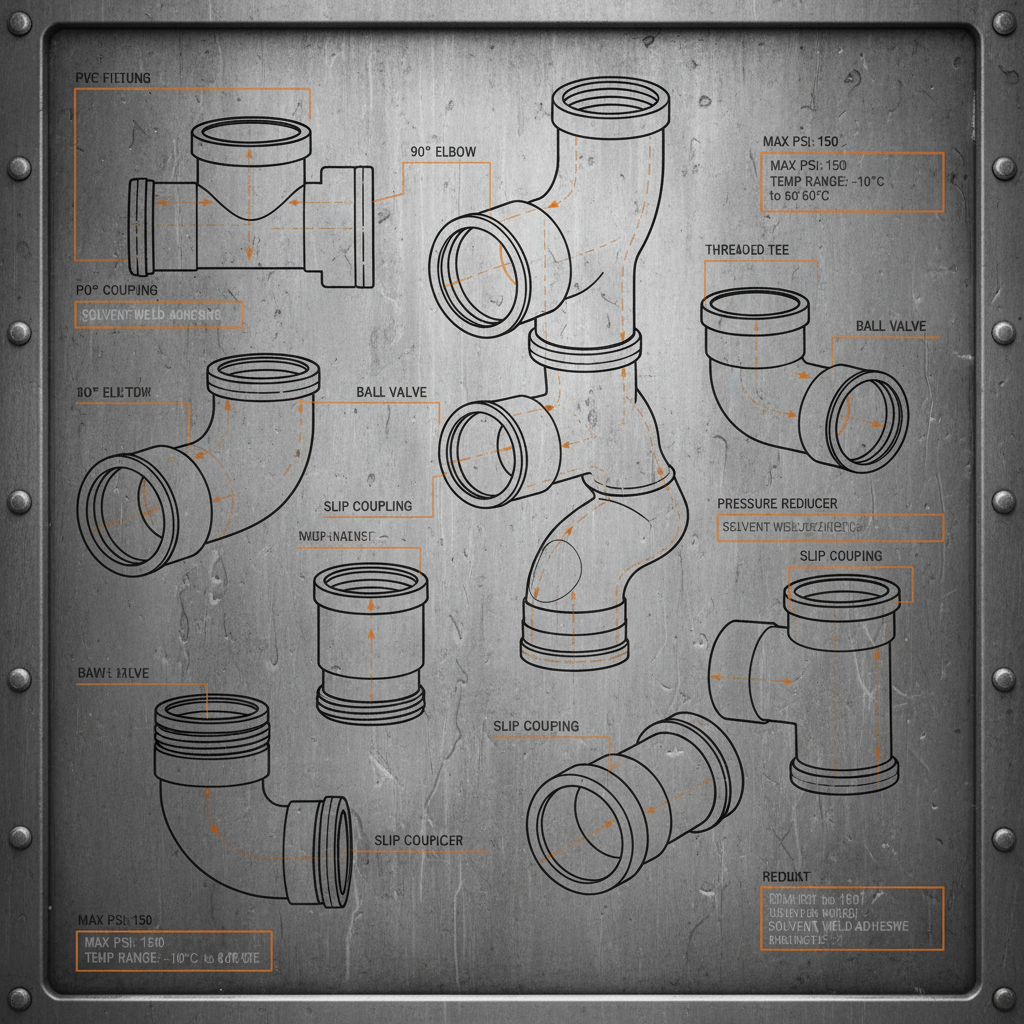
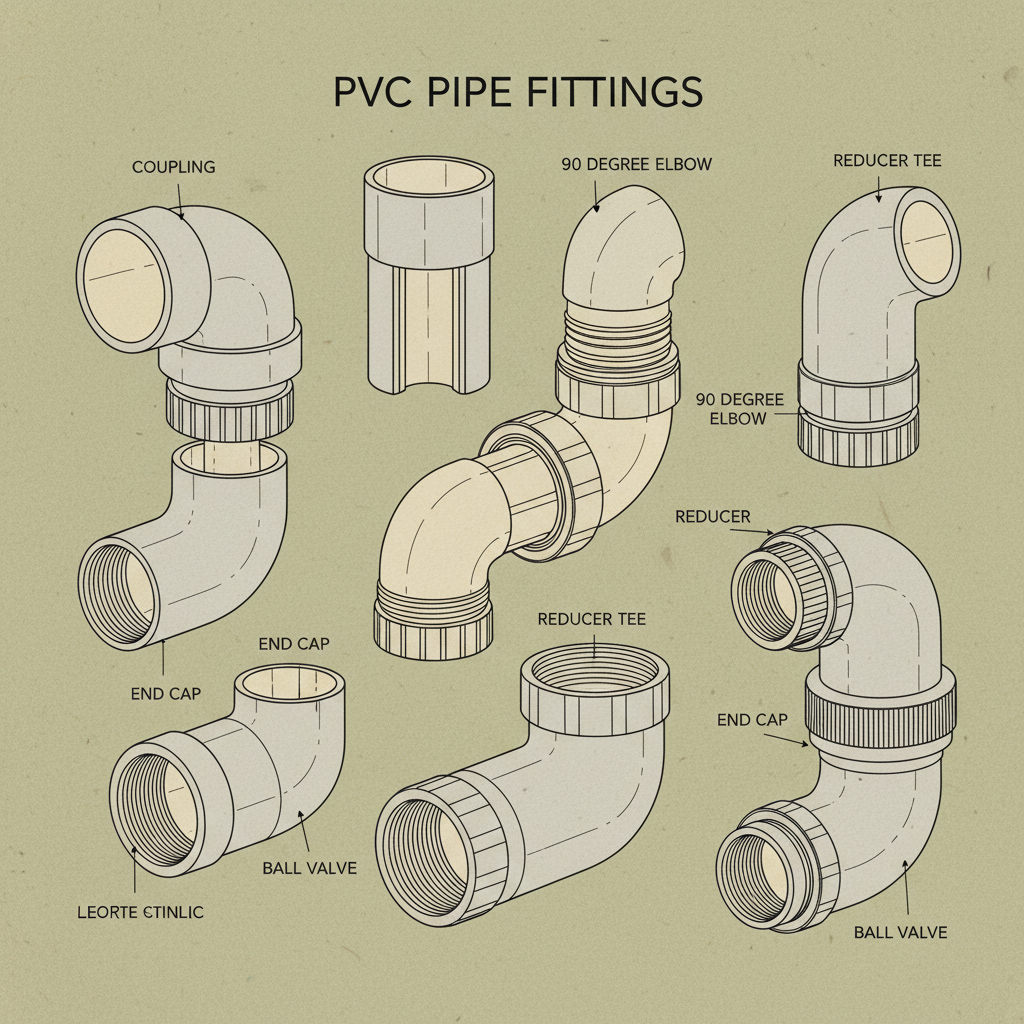
At its core, a pvc drain fitting is a component designed to connect sections of polyvinyl chloride (PVC) piping, enabling the creation of a comprehensive drainage network. These fittings come in a variety of shapes and sizes – elbows, tees, couplings, traps – each serving a specific purpose in directing and controlling wastewater flow. Their application extends beyond simple waste removal; they contribute to overall building safety and environmental protection by preventing leaks and ensuring proper sewage disposal.
The Importance of PVC Drain Fittings
The significance of pvc drain fittings stems from their ability to create robust and reliable drainage systems. Without these fittings, even the best PVC pipe would be useless; they are the critical connectors that enable the effective removal of wastewater, preventing health hazards and maintaining sanitary conditions. Properly installed systems safeguard public health and protect the environment.
Moreover, the use of these fittings contributes to overall building longevity. Preventing water damage, which can lead to structural decay, is a key benefit. By providing a watertight seal, pvc drain fittings minimize the risk of leaks and subsequent damage, saving property owners considerable repair costs in the long run.
Global Relevance and Industry Standards
The need for effective wastewater management is a global concern, particularly in rapidly urbanizing areas. According to the World Bank, proper sanitation infrastructure is crucial for economic development and public health. pvc drain fittings, due to their cost-effectiveness and ease of use, are frequently employed in large-scale sanitation projects worldwide, including those supported by international aid organizations.
Industry standards, such as those set by ASTM International and ISO, govern the manufacturing and performance of pvc drain fittings. These standards ensure product quality, durability, and compatibility, providing assurance to consumers and professionals alike. Adherence to these regulations is essential for safe and reliable plumbing installations.
The growing demand for sustainable building practices also drives the adoption of pvc drain fittings. While PVC production does have environmental considerations, advancements in recycling technology and the development of bio-based PVC alternatives are reducing its overall footprint.
Defining PVC Drain Fittings
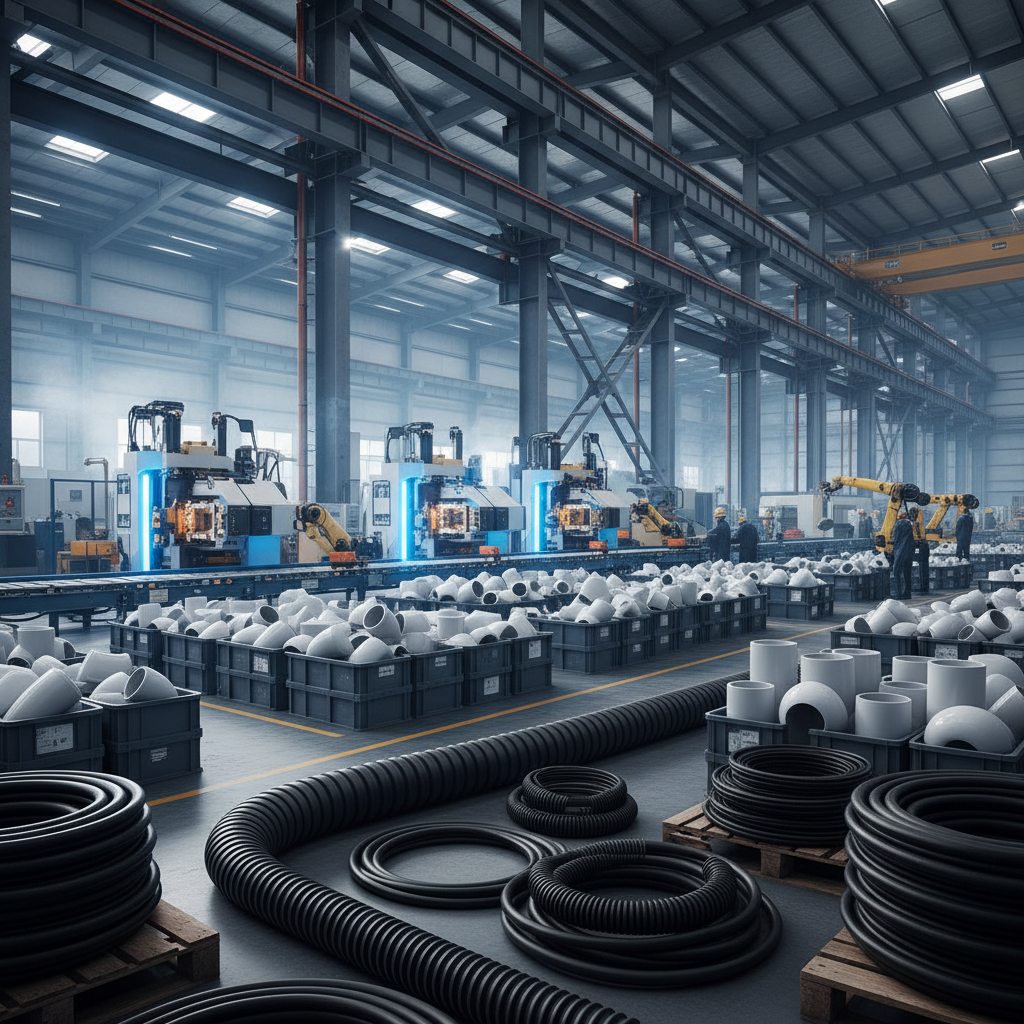
pvc drain fittings are specialized components designed to connect sections of PVC pipe used in drainage, waste, and vent (DWV) systems. They are typically injection-molded from rigid PVC resin and come in a wide range of shapes, including elbows, tees, couplings, wyes, traps, and adapters. These fittings facilitate changes in direction, branching of pipes, and connections to fixtures.
Their function is integral to modern sanitation, preventing the backflow of sewer gases into buildings while efficiently conveying wastewater to treatment facilities or septic systems. The precise dimensions and tolerances of these fittings are crucial for creating leak-proof connections that maintain system integrity and prevent contamination.
Unlike some metal piping systems, pvc drain fittings are resistant to corrosion, making them an ideal choice for long-term underground applications. This durability significantly reduces maintenance requirements and extends the lifespan of the drainage system.
Key Characteristics of PVC Drain Fittings
One of the most significant characteristics of pvc drain fittings is their exceptional durability. PVC is inherently resistant to corrosion, chemicals, and abrasion, ensuring a long service life even in harsh environments.
Secondly, the lightweight nature of PVC makes these fittings easy to handle and install, reducing labor costs and simplifying construction processes. This is particularly advantageous in large-scale projects or remote locations where heavy equipment is unavailable.
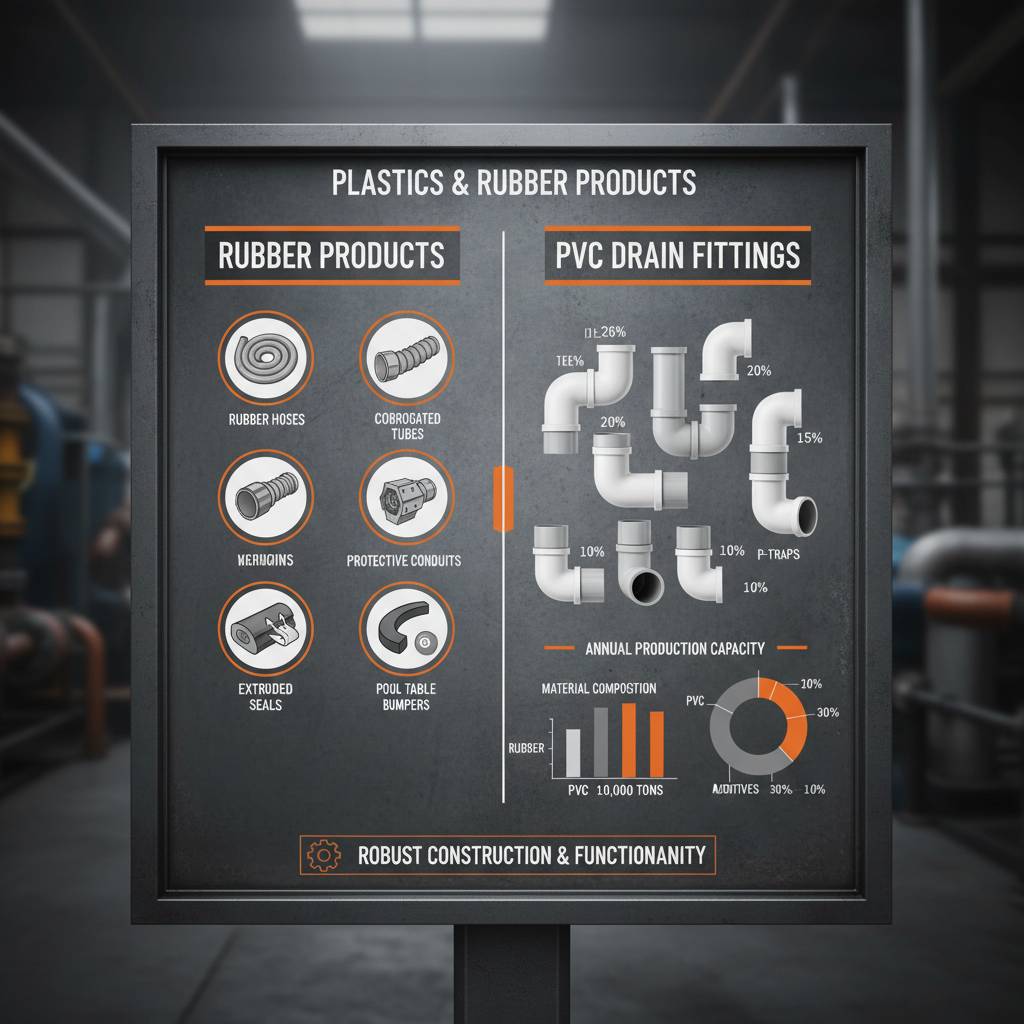
Performance Metrics of Common PVC Drain Fitting Types
Applications Across Diverse Sectors
pvc drain fittings are integral to residential plumbing, found in bathrooms, kitchens, and laundry rooms, ensuring efficient wastewater disposal in homes of all sizes.
They are also extensively used in commercial buildings, including offices, hotels, and shopping centers, where high-volume drainage systems are essential. Hospitals and food processing plants rely on the hygienic properties of PVC to maintain sanitary conditions.
Benefits and Long-Term Value
The cost-effectiveness of pvc drain fittings is a major advantage, particularly for large-scale projects. Compared to traditional materials like cast iron, PVC offers significant savings in material and labor costs. This affordability makes it accessible to a wider range of communities and developers.
Beyond cost, their long-term reliability contributes to significant value. Reduced maintenance, corrosion resistance, and extended lifespan translate into lower lifecycle costs. This durability aligns with principles of sustainable infrastructure development, minimizing resource consumption and environmental impact.
Furthermore, the ease of installation offered by pvc drain fittings streamlines construction processes, saving time and reducing project timelines. This efficiency is critical in fast-paced building environments.
Future Trends and Innovations
Ongoing research is focused on developing more sustainable PVC formulations, including bio-based PVC alternatives that reduce reliance on fossil fuels. These innovations aim to minimize the environmental footprint of pvc drain fittings without compromising performance.
Digital technologies, such as Building Information Modeling (BIM), are being integrated into the design and installation of drainage systems, enabling more precise planning and reducing errors. Automated manufacturing processes are also improving the consistency and quality of PVC fittings.
Smart drainage systems, incorporating sensors and data analytics, are emerging as a potential future trend. These systems can monitor flow rates, detect leaks, and predict maintenance needs, optimizing performance and preventing costly failures.
Summary of Key Challenges and Potential Solutions for PVC Drain Fitting Implementation
| Challenge |
Impact on System Performance |
Potential Solution |
Implementation Cost (1-10) |
| Joint Leakage |
Reduced flow efficiency, potential water damage |
Improved solvent cementing techniques, quality control |
3 |
| UV Degradation |
Brittleness, cracking, reduced lifespan |
Use of UV-resistant PVC formulations, protective coatings |
6 |
| Thermal Expansion/Contraction |
Stress on joints, potential for cracking |
Expansion loops, flexible couplings |
4 |
| Incorrect Fitting Selection |
Reduced flow rate, increased risk of blockage |
Detailed system design, plumber training |
2 |
| Chemical Attack |
Degradation of PVC material, leaks |
Use of chemical-resistant PVC, avoidance of harsh chemicals |
5 |
| Improper Installation Techniques |
Weak joints, leaks, system failure |
Certification of plumbers, adherence to installation standards |
3 |
FAQS
The most common types include elbows (45° and 90°), tees, couplings, wyes, traps (P-traps and S-traps), and adapters. Elbows change the direction of flow, tees create branches, couplings connect pipes, wyes combine flows, traps prevent sewer gases from entering buildings, and adapters connect different pipe sizes or materials. Selecting the correct fitting is crucial for a leak-proof and efficient drainage system.
Proper gluing involves cleaning both the pipe and fitting surfaces with a PVC primer, then applying PVC cement. Ensure even coverage and quickly insert the pipe into the fitting, twisting slightly to distribute the cement. Hold firmly for 30 seconds to allow the bond to set. It's crucial to use the correct primer and cement combination for the specific PVC type and application. Always follow manufacturer's instructions and work in a well-ventilated area.
Generally, standard PVC drain fittings are not recommended for hot water drainage. High temperatures can soften PVC and lead to deformation or failure. For hot water applications, CPVC (chlorinated polyvinyl chloride) fittings are required, as they are designed to withstand higher temperatures. Always check the temperature rating of the fitting before use.
Schedule 40 and Schedule 80 refer to the wall thickness of the PVC pipe and fittings. Schedule 80 fittings have thicker walls, providing greater strength and pressure resistance. Schedule 40 is typically used for standard drainage applications, while Schedule 80 is preferred for applications requiring higher pressure or greater durability, such as industrial or commercial settings.
Preventing leaks requires proper preparation, application of primer and cement, and ensuring a tight fit. Clean all surfaces thoroughly, use the correct primer and cement, and apply even pressure during insertion. Allow sufficient curing time before testing the system. Regular inspection and maintenance can also help identify and address potential leaks before they become major problems.
While PVC is recyclable, the infrastructure for recycling PVC drain fittings is not universally available. However, efforts are underway to improve PVC recycling rates. Some manufacturers offer take-back programs or utilize recycled PVC in their products. Proper disposal of PVC waste is important to minimize environmental impact. Checking with local recycling facilities is recommended.
Conclusion
pvc drain fittings represent a cornerstone of modern sanitation infrastructure. Their affordability, durability, and ease of installation have made them a globally preferred choice for residential, commercial, and industrial drainage systems. Understanding their characteristics, applications, and evolving innovations is crucial for ensuring safe, reliable, and sustainable wastewater management.
As we look to the future, continued advancements in materials science, manufacturing techniques, and digital technologies will further enhance the performance and sustainability of pvc drain fittings. By embracing these innovations and adhering to best practices, we can build more resilient and environmentally responsible drainage systems for generations to come. Visit our website at www.fygasket.com to learn more.