0%

Table of Contents

PVC conduit accessories are essential components in modern electrical systems, playing a critical role in protecting and routing electrical wiring. These accessories, made from polyvinyl chloride (PVC), offer a durable, cost-effective, and safe solution for a wide range of applications, from residential construction to large-scale industrial projects. Understanding the importance of these accessories is crucial for ensuring the reliability and longevity of electrical infrastructure globally.

The global demand for pvc conduit accessories is steadily increasing, driven by factors like rapid urbanization, infrastructure development in emerging economies, and stringent safety regulations. According to industry reports, the market is projected to experience significant growth in the coming years. This growth underscores the importance of high-quality, compliant accessories and the need for professionals to stay informed about the latest innovations in this field. The accessibility and ease of installation also contribute to the widespread adoption of PVC conduit systems.

Effectively managing electrical systems requires more than just wires; it demands robust protection and organized pathways. PVC conduit accessories provide this, enhancing safety, simplifying maintenance, and contributing to overall system efficiency. From bends and couplings to connectors and supports, these accessories are integral to a well-designed and reliable electrical installation. Choosing the correct pvc conduit accessories is paramount for long-term performance and safety.
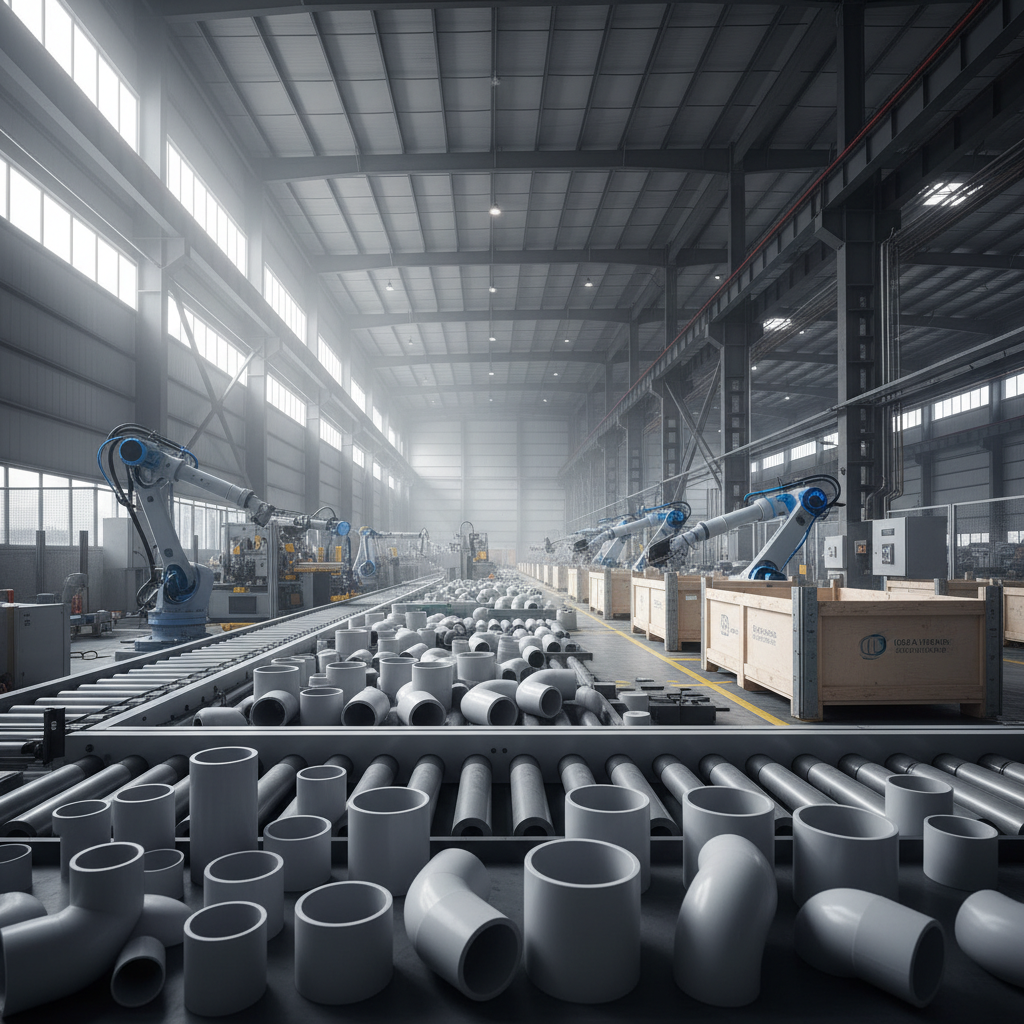
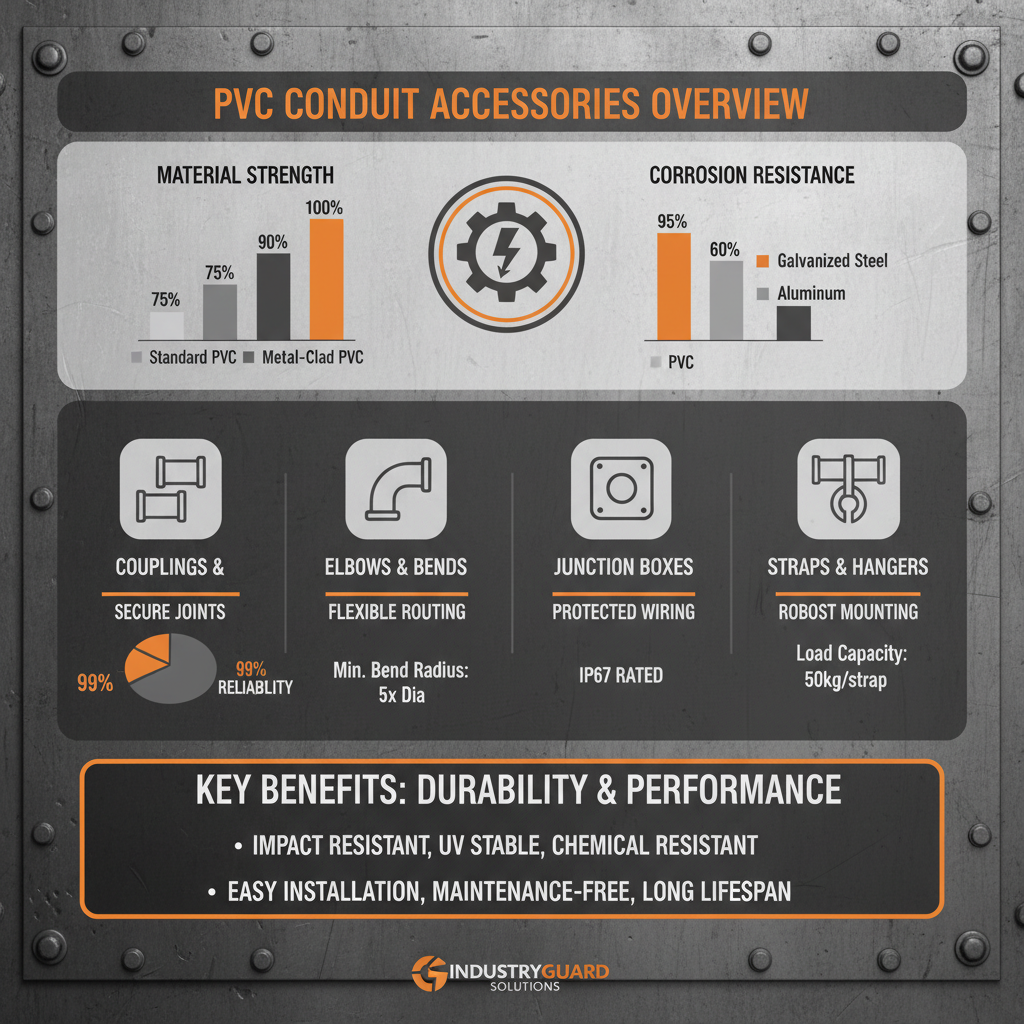
Essential Guide to PVC Conduit Accessories for Reliable Electrical Systems

Introduction to PVC Conduit Accessories

Essential Guide to PVC Conduit Accessories for Reliable Electrical Systems

PVC conduit accessories aren’t simply add-ons; they represent a complete system designed for the safe and efficient delivery of electrical power. The range includes bends, couplings, connectors, boxes, and support systems – each meticulously engineered to work in harmony with PVC conduit itself. This holistic approach ensures a secure and lasting installation.

Selecting the correct accessory for a specific application is paramount. Considerations include the size of the conduit, the type of wiring being protected, the environmental conditions, and local electrical codes. Utilizing incorrect accessories can compromise the integrity of the system, leading to potential hazards and costly repairs.

Global Relevance and Industry Context

The use of PVC conduit and its associated accessories is globally widespread, driven by its cost-effectiveness and suitability for diverse environments. Regions with rapidly expanding infrastructure, like Asia-Pacific and Latin America, represent significant markets for these products. The ISO standards governing PVC production and quality control ensure a consistent level of performance worldwide, facilitating international trade and project standardization.

However, challenges remain. Fluctuating raw material prices, supply chain disruptions, and evolving regulatory landscapes can impact the availability and cost of pvc conduit accessories. Addressing these challenges requires proactive sourcing strategies, collaboration with reliable suppliers, and a commitment to sustainable manufacturing practices.

The increasing emphasis on safety and energy efficiency in building codes is further bolstering the demand for high-quality PVC conduit systems. These systems offer excellent insulation properties and contribute to reduced energy losses, aligning with global sustainability goals.

Defining PVC Conduit Accessories

PVC conduit accessories are the supplementary components used alongside polyvinyl chloride (PVC) conduit to create a complete electrical raceway system. These accessories are specifically designed to connect, support, protect, and terminate the conduit, ensuring a safe and code-compliant electrical installation. They are integral to the functionality and longevity of the entire system.

The accessories cover a broad spectrum, encompassing everything from 90-degree bends and 45-degree elbows to couplings, connectors, junction boxes, and various mounting hardware. Their role extends beyond simply joining conduit sections; they also facilitate changes in direction, provide access points for wiring, and secure the conduit to walls, ceilings, or other surfaces. A properly installed system relies heavily on the correct selection and application of these components.

The demand for these accessories is closely linked to the overall growth of the construction industry and the increasing need for safe and reliable electrical infrastructure. They play a crucial role in safeguarding wiring from physical damage, moisture, and other environmental factors, contributing to the overall safety and efficiency of electrical systems.

Key Characteristics of PVC Conduit Accessories

Durability is a cornerstone of PVC conduit accessories. PVC is naturally resistant to corrosion, chemicals, and ultraviolet (UV) radiation, ensuring a long service life even in harsh environments. This resilience translates to lower maintenance costs and reduced replacement frequency.

Another critical characteristic is ease of installation. PVC conduit accessories are typically lightweight and can be cut and assembled using readily available tools, simplifying the installation process and reducing labor costs. This accessibility is particularly important in large-scale projects where speed and efficiency are paramount.

PVC Conduit Accessory Performance Metrics


Applications Across Industries

PVC conduit accessories find extensive application in the construction industry, protecting electrical wiring in residential, commercial, and industrial buildings. They are commonly used in new construction projects as well as renovations and upgrades to existing electrical systems.

Beyond construction, these accessories are crucial in industrial settings, providing robust protection for wiring in factories, manufacturing plants, and processing facilities. The chemical resistance of PVC makes it ideal for environments where exposure to corrosive substances is a concern.

Furthermore, PVC conduit accessories are widely used in infrastructure projects, such as street lighting, traffic control systems, and underground cabling. Their durability and weather resistance ensure reliable performance in outdoor applications.

Advantages and Long-Term Value

The cost-effectiveness of pvc conduit accessories is a major advantage, reducing overall project expenses without compromising safety or performance. This affordability makes them a popular choice for both large-scale and small-scale applications.

The long-term durability of PVC translates to reduced maintenance costs and a longer service life, providing a significant return on investment. This reliability fosters trust and confidence in the electrical infrastructure.

Future Trends and Innovations

The development of more sustainable PVC formulations, incorporating recycled materials and reducing environmental impact, is a growing trend. These "green" PVC options align with increasing demands for eco-friendly construction practices.

Another area of innovation is the integration of smart technology into PVC conduit systems. This could include sensors to monitor conduit integrity, detect potential faults, and optimize energy usage. These advancements will enhance the safety, efficiency, and reliability of electrical infrastructure.

Digital twins and Building Information Modeling (BIM) are also becoming increasingly important, allowing for precise design and simulation of electrical systems incorporating PVC conduit accessories.

FAQS

What are the key differences between Schedule 40 and Schedule 80 PVC conduit?

Schedule 40 and Schedule 80 refer to the wall thickness of the PVC conduit. Schedule 80 has a thicker wall, offering greater impact resistance and pressure-bearing capacity. Schedule 40 is typically sufficient for most general-purpose applications, while Schedule 80 is recommended for exposed locations or areas prone to physical damage, as well as underground installations. Selecting the appropriate schedule is crucial for ensuring the long-term integrity and safety of the electrical system.

How do I properly bond and ground a PVC conduit system?

PVC conduit itself is non-conductive, requiring a separate bonding and grounding system. This is typically achieved using a bonding jumper installed inside the conduit to connect metallic components. Grounding bushings are used at conduit terminations to ensure a continuous ground path. It's essential to consult local electrical codes and a qualified electrician to ensure proper bonding and grounding procedures are followed, as incorrect implementation can create a safety hazard.

What temperature range can PVC conduit accessories withstand?

PVC conduit accessories generally have a temperature rating of -5°F to 140°F (-20°C to 60°C). Exposing the accessories to temperatures outside this range can affect their physical properties and potentially compromise their performance. For extreme temperature environments, alternative conduit materials should be considered. It's vital to always refer to the manufacturer's specifications for precise temperature ratings.

Are there specific codes and standards I need to follow when installing PVC conduit accessories?

Yes, electrical installations are governed by a variety of codes and standards, including the National Electrical Code (NEC) in the United States and similar regulations in other countries. These codes specify requirements for conduit type, installation methods, grounding, bonding, and support. It is essential to adhere to these codes to ensure safety and compliance. Local authorities may also have additional requirements.

How can I ensure the longevity of my PVC conduit installation?

Proper installation is key to a long-lasting PVC conduit system. This includes using the correct accessories for the application, securing the conduit adequately, avoiding physical damage, and protecting it from excessive UV exposure. Regularly inspect the installation for any signs of wear or damage and address them promptly. Utilizing high-quality pvc conduit accessories will also significantly contribute to longevity.

What are the environmental benefits of using PVC conduit?

PVC conduit offers several environmental benefits. It’s a durable material that requires minimal maintenance and replacement, reducing waste over its lifecycle. PVC is also recyclable, and advancements are being made in sustainable PVC formulations utilizing recycled content. Compared to metallic conduit, PVC production generally requires less energy, contributing to a lower carbon footprint.

Conclusion

In conclusion, pvc conduit accessories are integral to modern electrical infrastructure, providing a safe, reliable, and cost-effective solution for protecting and routing electrical wiring. Their durability, ease of installation, and versatility make them a preferred choice across a wide range of industries and applications. Understanding the key characteristics, proper installation techniques, and emerging trends in this field is crucial for professionals and stakeholders involved in electrical system design and maintenance.

Looking ahead, continued innovation in PVC materials and smart technologies promises to further enhance the performance and sustainability of conduit systems. By embracing these advancements and prioritizing quality, we can ensure the long-term reliability and safety of electrical infrastructure worldwide. For all your pvc conduit accessories needs, visit our website today to explore our comprehensive product range.

David Miller

David Miller

David Miller is the Senior Materials Engineer at GaoBeiDianShi Fengye Rubber Seals Co., Ltd. With over 15 years of experience in polymer science and rubber formulation, David leads the R&D efforts for new custom rubber compounds. He specializes in developing materials for demanding applications in the automotive and aerospace industries.
Previous Essential Guide to Accessories PVC Pipe for Modern Infrastructure Solutions
Next Comprehensive Guide to PVC Accessories for Fluid Management and Infrastructure