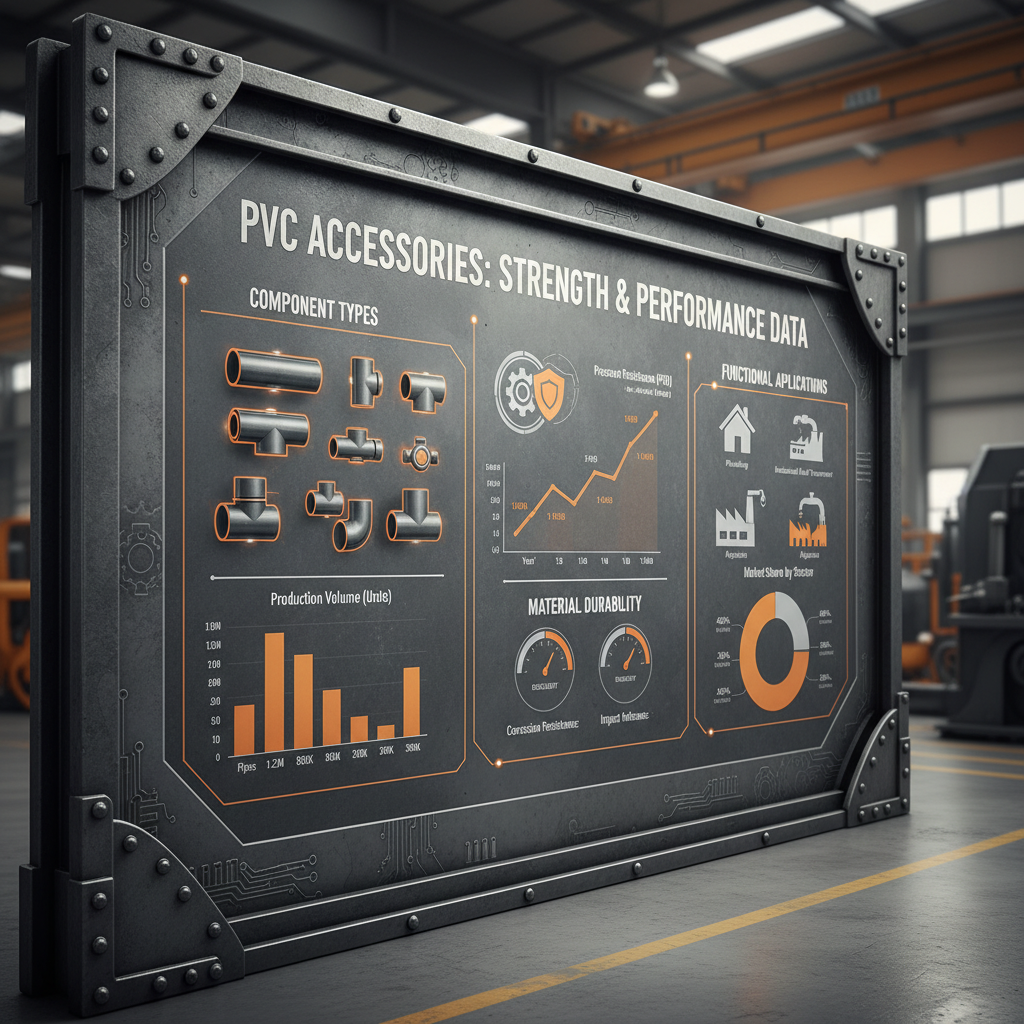
PVC pipe accessories are essential components in a vast array of industries, from plumbing and irrigation to construction and industrial processing. Their importance stems from their durability, affordability, and versatility, making them a cornerstone of modern infrastructure globally. Understanding the nuances of these accessories – fittings, valves, flanges, and more – is crucial for engineers, contractors, and anyone involved in designing, building, or maintaining fluid handling systems.
The global demand for pvc pipe accessories is consistently high, driven by rapid urbanization, population growth, and increasing investment in infrastructure projects, particularly in developing nations. According to UN reports, access to clean water and sanitation is a fundamental human right, and PVC piping systems play a vital role in achieving this goal. Furthermore, the ISO standards governing PVC pipe production and accessory quality ensure consistent performance and reliability across international markets.
However, challenges remain in ensuring sustainable manufacturing practices and addressing environmental concerns related to PVC production and disposal. A growing awareness of these issues is driving innovation in bio-based PVC alternatives and improved recycling technologies, furthering the evolution of pvc pipe accessories.
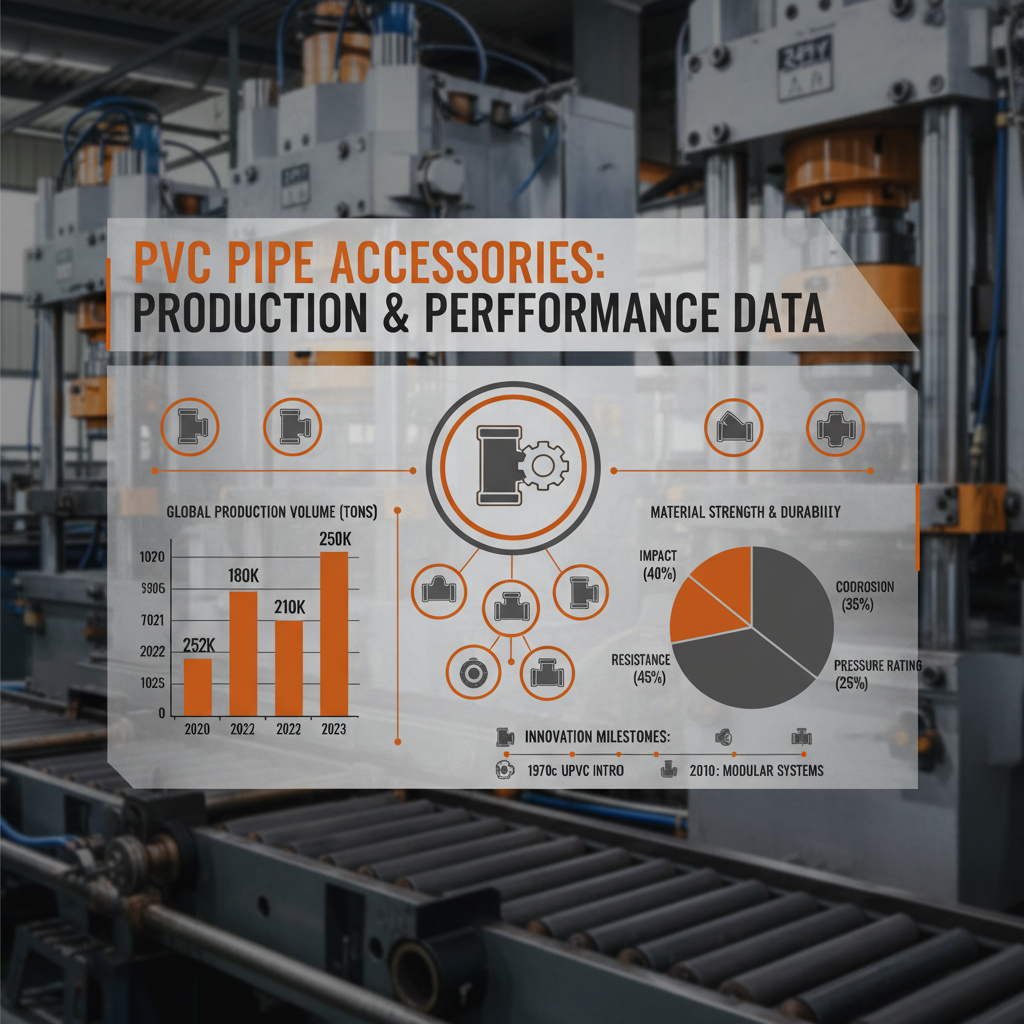
The world of plumbing, irrigation, and industrial fluid transport relies heavily on a network of pipes and, critically, the components that connect and control them: pvc pipe accessories. These accessories, encompassing a diverse range of fittings, valves, adapters, and more, are the unsung heroes of countless systems, ensuring efficient and reliable operation. They are integral to the safe delivery of water, chemicals, and other fluids across numerous applications.
These aren't merely add-ons; they are meticulously engineered parts designed to maintain pressure, prevent leaks, regulate flow, and accommodate changes in direction or pipe diameter. Choosing the right pvc pipe accessories is paramount to the longevity and performance of any piping system, directly impacting cost-effectiveness and safety.
PVC pipe accessories offer several key advantages over metal alternatives, primarily due to their corrosion resistance. Unlike metal, PVC won’t rust or degrade when exposed to moisture or chemicals, resulting in a longer lifespan and reduced maintenance. Additionally, PVC is lighter weight, making it easier to handle and install, and it’s generally more cost-effective. PVC also has excellent electrical insulation properties and lower thermal conductivity.
Proper solvent welding is crucial for ensuring leak-proof connections. First, ensure both the pipe and accessory surfaces are clean, dry, and free of debris. Apply a primer to both surfaces, allowing it to dry for a few seconds. Then, apply a generous coat of PVC cement to both surfaces and quickly join them together with a slight twisting motion. Hold the connection firmly for 30 seconds to allow the cement to set. Always follow the cement manufacturer’s instructions.
With proper installation and use, a PVC piping system with correctly installed accessories can last for 50 years or more. The lifespan depends on factors such as the quality of the materials, the operating temperature, the pressure levels, and the type of fluid being transported. Regular inspections and maintenance can further extend the system’s lifespan.
Yes, PVC pipe accessories made from approved formulations are suitable for potable water systems. Look for accessories that are certified to meet NSF/ANSI Standard 61, which ensures they won't leach harmful contaminants into the water. It’s vital to use accessories specifically designed and certified for potable water applications to maintain water quality and public health.
PVC pipe accessories generally have a safe operating temperature range of between -40°F (-40°C) and 140°F (60°C). Exposing PVC to temperatures outside of this range can cause it to become brittle or deform, compromising the integrity of the system. For higher temperature applications, alternative piping materials should be considered.
Ensuring compatibility involves verifying that all accessories are made from the same PVC compound (typically Schedule 40 or Schedule 80) and adhere to the same standards. Always use accessories specifically designed for PVC pipe. Check manufacturer specifications and compatibility charts to confirm that the accessories are suitable for the intended application and fluid being transported. Mixing different types of PVC can lead to joint failures.
In conclusion, pvc pipe accessories represent a cornerstone of modern infrastructure, providing reliable, cost-effective, and versatile solutions for fluid handling across a vast range of industries. Their inherent properties – corrosion resistance, low thermal conductivity, and ease of installation – make them a preferred choice for countless applications, from plumbing and irrigation to chemical processing and disaster relief. Understanding the nuances of these accessories, from material selection to proper installation, is crucial for ensuring optimal performance and long-term durability.
Looking ahead, the future of pvc pipe accessories is intertwined with a growing emphasis on sustainability and technological innovation. Continued development of bio-based PVC alternatives, alongside the integration of smart technologies, will further enhance their environmental profile and operational efficiency. For businesses and individuals alike, investing in quality pvc pipe accessories and staying abreast of the latest advancements will be key to building resilient and sustainable infrastructure for years to come. Visit our website at www.fygasket.com to explore our comprehensive range of pvc pipe accessories and solutions.