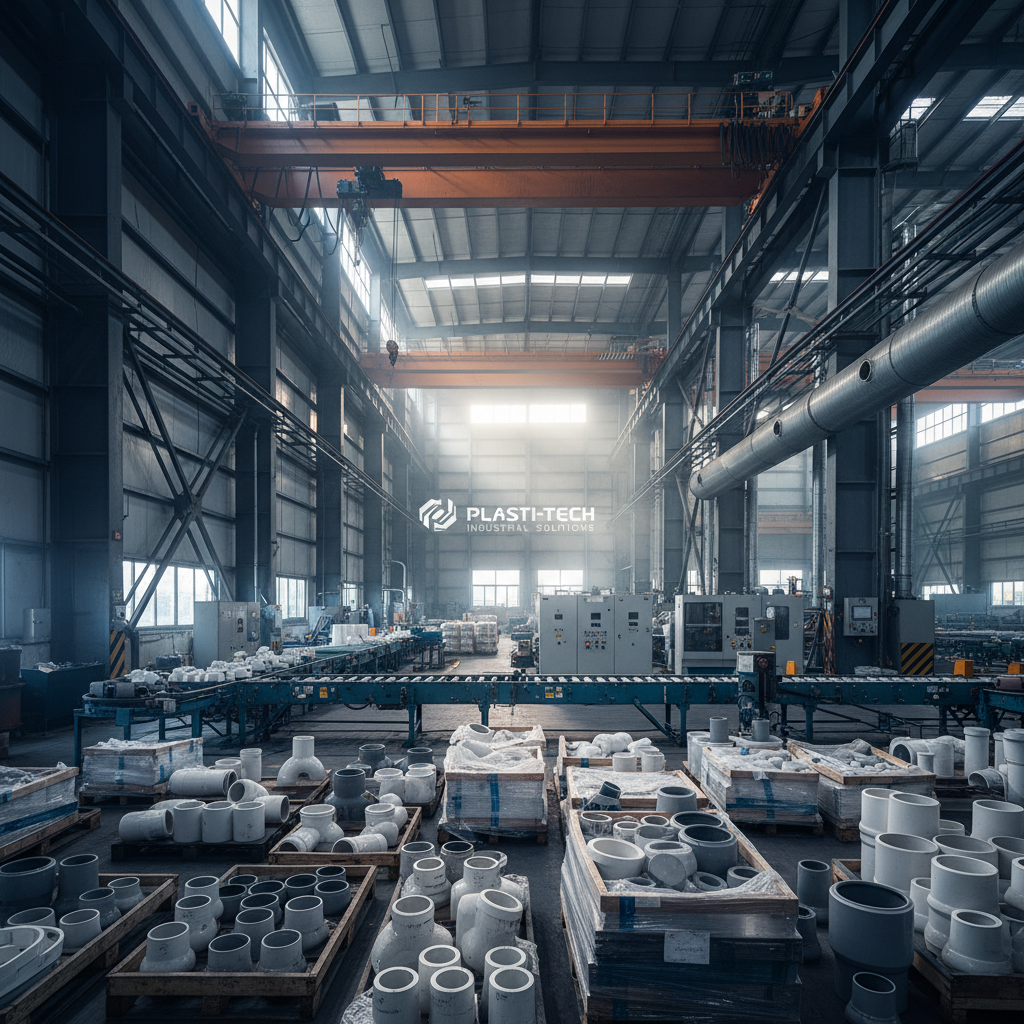
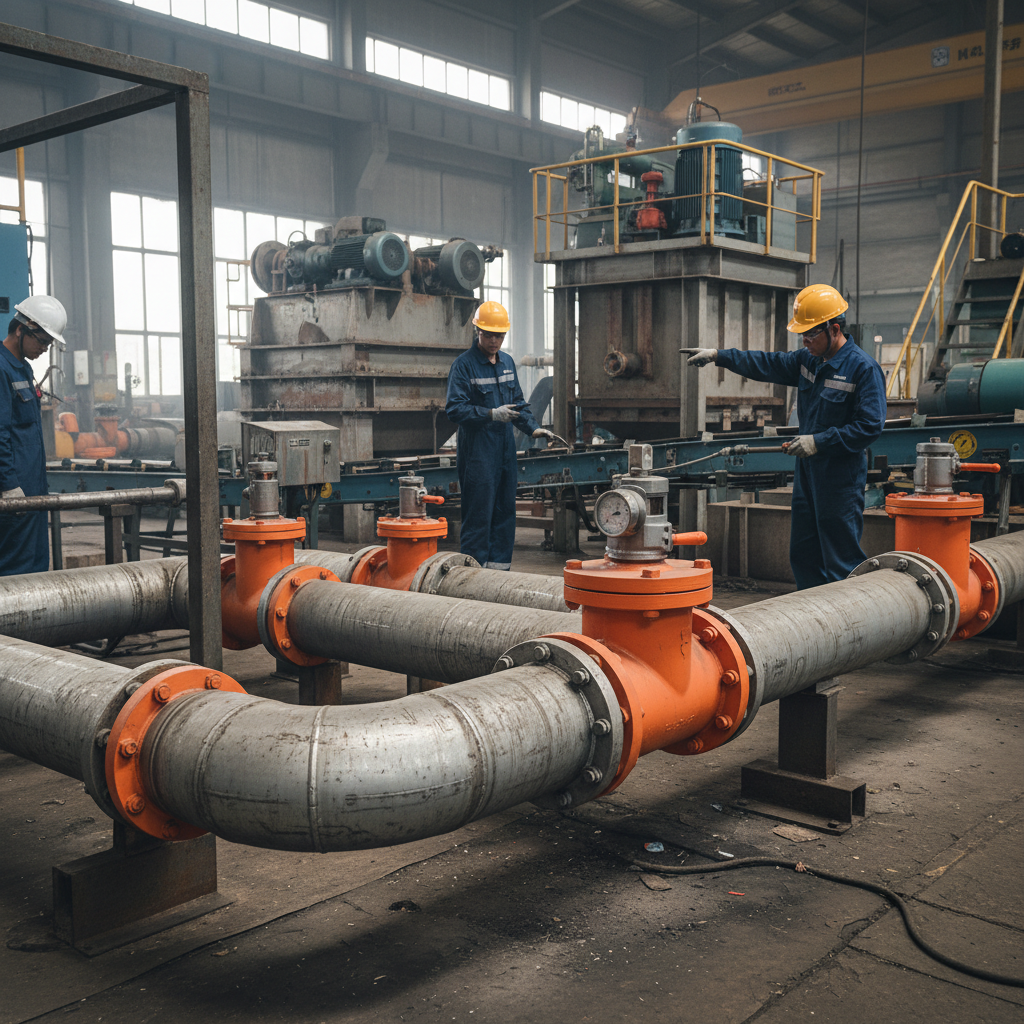
Plastic pipe accessories are essential components in modern infrastructure, playing a critical role in the efficient and safe transportation of fluids and gases. From simple couplings to complex valve systems, these accessories facilitate the creation of robust and reliable piping networks used across a wide spectrum of industries. Their increasing adoption is driven by factors such as corrosion resistance, lightweight nature, ease of installation, and cost-effectiveness compared to traditional materials like metal. The global need for sustainable and dependable infrastructure solutions positions plastic pipe accessories as a key element in future development.
The relevance of plastic pipe accessories extends far beyond basic plumbing. They are integral to large-scale projects like water distribution networks, irrigation systems, wastewater treatment facilities, and industrial process piping. The United Nations Sustainable Development Goal 6, which focuses on clean water and sanitation, directly benefits from the use of durable and leak-proof plastic piping systems. Furthermore, the World Bank actively promotes the use of appropriate technologies in developing countries, often involving plastic pipe solutions due to their affordability and ease of maintenance. The growing demand for reliable water infrastructure globally underscores the importance of high-quality plastic pipe accessories.
A significant challenge facing global infrastructure is aging systems and the need for upgrades. Plastic pipe accessories offer a solution by providing long-lasting, corrosion-resistant alternatives to traditional materials, reducing maintenance costs and extending the lifespan of crucial infrastructure. This is particularly vital in areas prone to harsh environmental conditions or where access to skilled labor is limited. Understanding the specifications, applications, and benefits of plastic pipe accessories is therefore paramount for engineers, contractors, and policymakers alike.
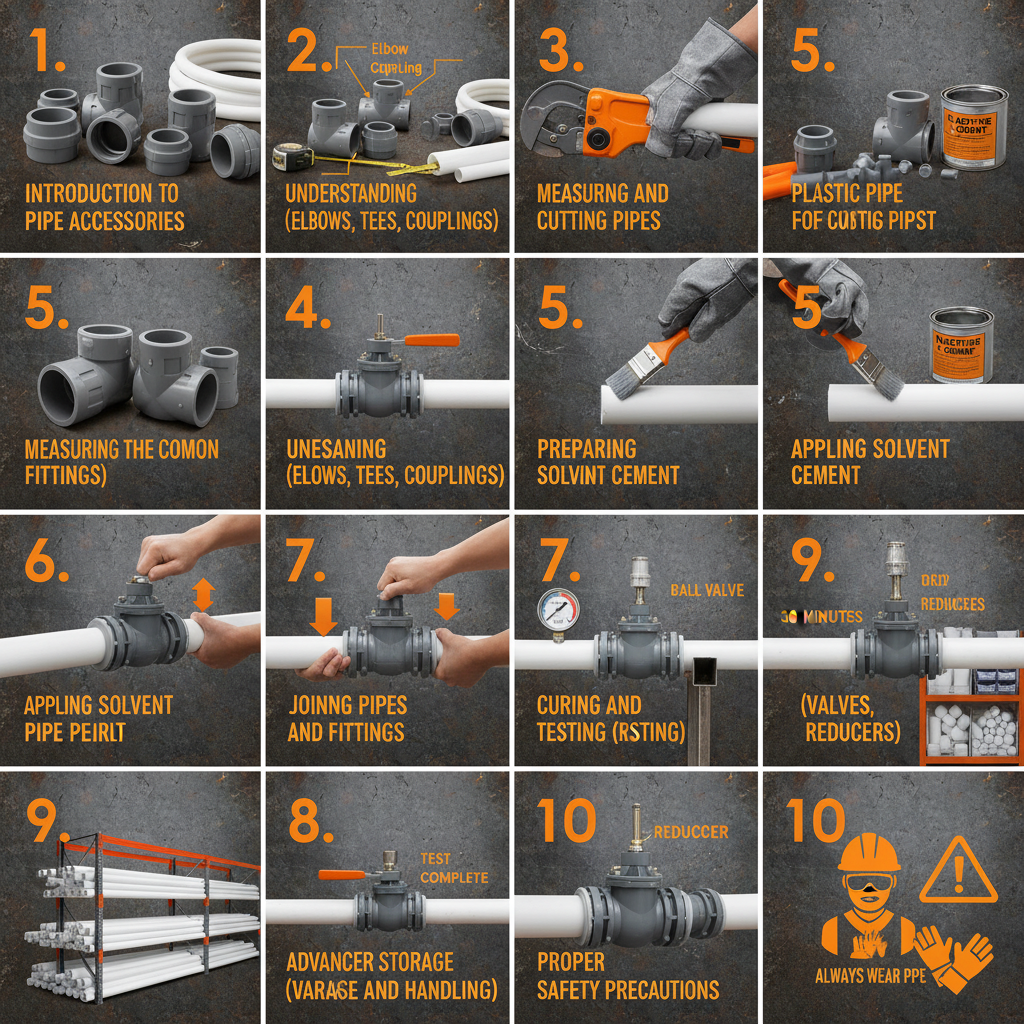
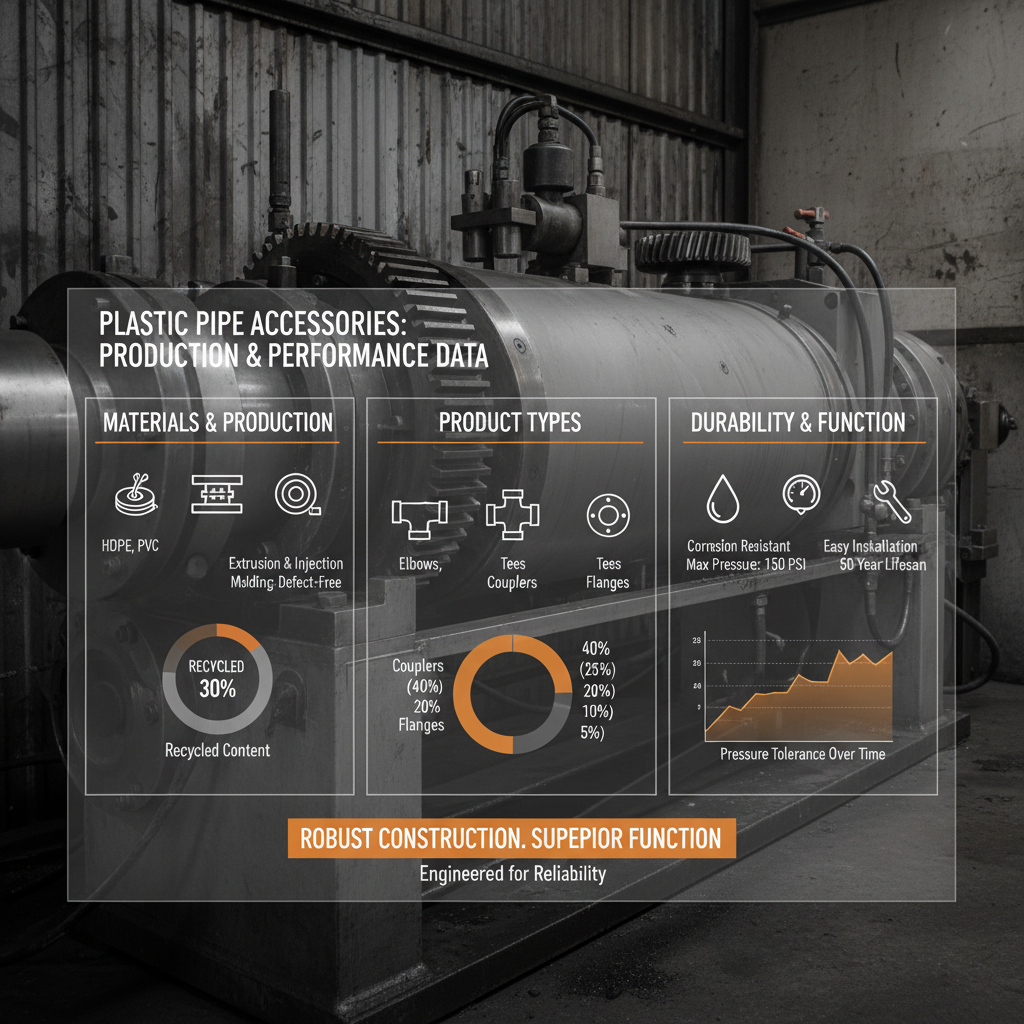
Plastic pipe accessories encompass a broad range of components designed to connect, control, and support plastic piping systems. These aren’t merely add-ons; they're integral to the functionality, longevity, and safety of the entire infrastructure. Proper selection and installation of these accessories are crucial for maintaining system integrity and preventing costly failures.
The modern landscape of plastic pipe accessories is marked by continuous innovation in materials, designs, and manufacturing processes. This is driven by increasing demands for enhanced performance, sustainability, and cost-effectiveness. A deep understanding of these advancements is essential for professionals involved in the design, installation, and maintenance of plastic piping systems.
Plastic pipe accessories offer several key advantages, including superior corrosion resistance, lighter weight for easier installation, lower material and labor costs, and greater flexibility. These benefits contribute to a longer lifespan, reduced maintenance, and improved overall system efficiency compared to metal alternatives. Their chemical inertness also makes them ideal for a wider range of applications, especially those involving aggressive fluids.
Commonly used plastics include Polyvinyl Chloride (PVC), Chlorinated Polyvinyl Chloride (CPVC), Polypropylene (PP), Polyethylene (PE), and Polyvinylidene Fluoride (PVDF). Each material possesses unique properties, making them suitable for specific applications. PVC is versatile and cost-effective, CPVC offers higher temperature resistance, PP excels in chemical environments, PE is flexible and durable, and PVDF provides exceptional purity and chemical resistance.
Plastic materials expand and contract with temperature changes. This thermal expansion and contraction can create stress on joints and connections if not properly addressed. Preventative measures include utilizing expansion loops, allowing for sufficient space around the pipes, and selecting materials with appropriate thermal coefficients. Proper installation techniques and the use of flexible joints are also crucial for mitigating the effects of temperature fluctuations.
Look for certifications from reputable organizations such as NSF International, ASTM International, and ISO. These certifications ensure that the accessories meet specific performance and safety standards. Relevant standards include ASTM D1785 (PVC Fittings), ASTM D2855 (CPVC Fittings), and ISO 1452 (Plastic Piping Systems). Confirming these certifications guarantees product quality and compliance with industry regulations.
Chemical compatibility is crucial. If the accessory material isn't resistant to the fluid being transported, it can lead to degradation, swelling, cracking, or even failure of the connection. Always verify the chemical compatibility chart for the specific plastic material and the conveyed fluid. Selecting the correct material ensures long-term system integrity and prevents costly repairs.
The best practices depend on the material and the type of fitting. For solvent welding (PVC & CPVC), ensure surfaces are clean, dry, and free of debris. Use the correct primer and cement, and follow the manufacturer's instructions for application and curing time. For fusion welding (PE & PP), maintain proper temperature and pressure settings. Always inspect connections after installation to verify a secure and leak-proof seal.
Plastic pipe accessories represent a critical component of modern infrastructure, offering a compelling combination of durability, cost-effectiveness, and sustainability. Their versatility allows for implementation across a wide range of industries, from water management and agriculture to chemical processing and industrial applications. Understanding the specific properties of different materials and adhering to best practices in installation are key to maximizing the long-term value and reliability of these systems.
Looking forward, continued innovation in materials science and manufacturing techniques will further enhance the performance and applicability of plastic pipe accessories. Embracing these advancements will be essential for addressing the evolving challenges of infrastructure development and ensuring a sustainable future. For high-quality plastic pipe accessories and expert guidance, visit our website today.