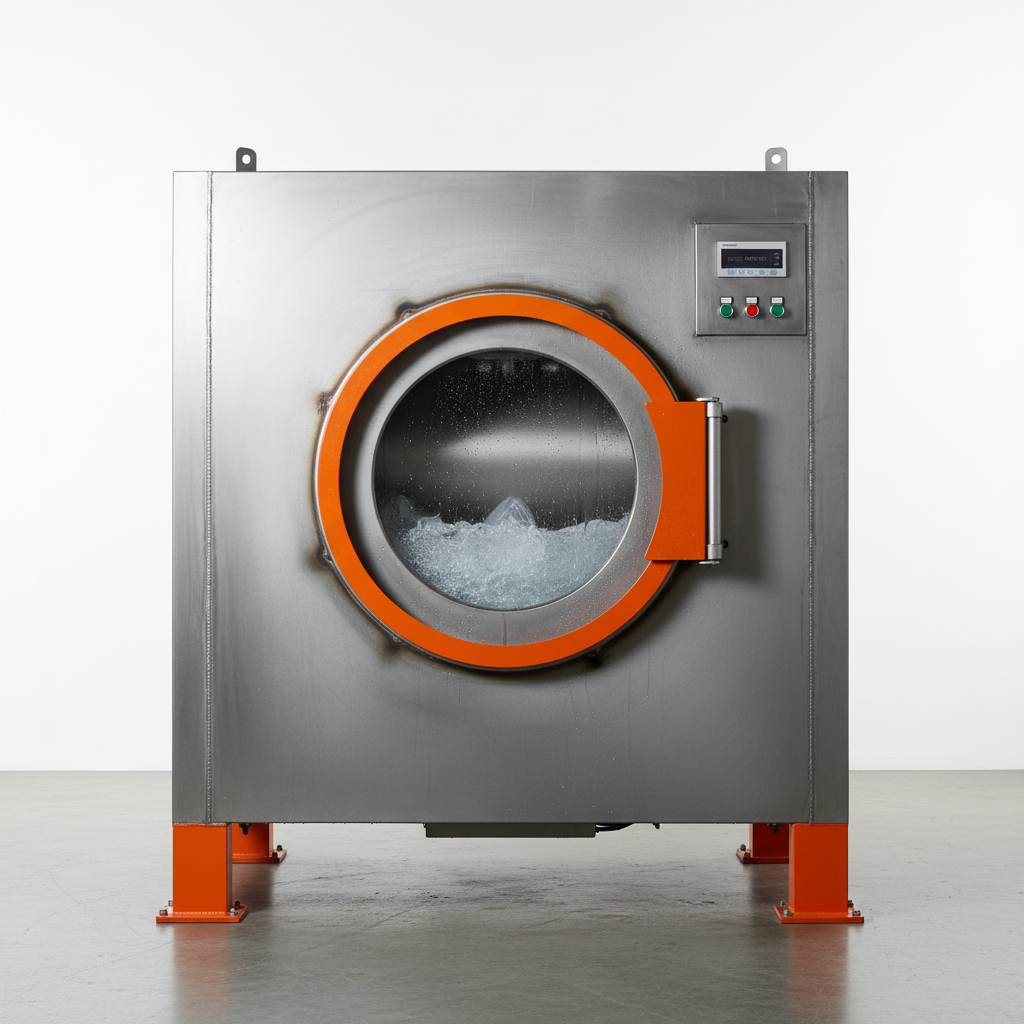
Plastic parts washers represent a critical component in modern manufacturing and industrial maintenance processes. These specialized cleaning systems are designed to efficiently and effectively remove contaminants like oil, grease, dirt, and metal shavings from plastic components, ensuring optimal performance and longevity of finished products. The increasing complexity of plastic parts across various sectors, from automotive to medical devices, necessitates robust and reliable cleaning solutions, making the plastic parts washer an increasingly indispensable tool for businesses worldwide.
The global demand for plastic parts washers is intrinsically linked to the growth of manufacturing industries, particularly those focused on precision and quality control. According to recent industry reports, the market is projected to experience consistent growth in the coming years, driven by factors such as stringent quality standards, increasing automation in manufacturing, and the rising adoption of environmentally friendly cleaning practices. Addressing the need for efficient contaminant removal is no longer just a matter of product quality, but also of regulatory compliance and sustainable production.
Investing in a quality plastic parts washer isn’t merely a capital expenditure; it’s an investment in process optimization, reduced downtime, and enhanced product reliability. By streamlining the cleaning process, manufacturers can improve overall efficiency and maintain a competitive edge in a demanding global marketplace. Properly cleaned plastic components lead to fewer defects, reduced waste, and increased customer satisfaction.
Introduction to Plastic Parts Washers
Plastic parts washers are indispensable in a multitude of manufacturing processes, serving to enhance the quality and longevity of plastic components. They're not simply cleaning machines; they represent a commitment to precision and reliability in production. The effective removal of contaminants through a plastic parts washer significantly contributes to improved adhesion of coatings, paints, and adhesives, ultimately impacting the final product’s performance.
The selection of the appropriate plastic parts washer depends heavily on the specific application, the types of contaminants being removed, and the volume of parts requiring cleaning. From small-scale benchtop models to large, fully automated systems, there’s a plastic parts washer solution tailored to meet the demands of virtually any industrial environment.
Defining Plastic Parts Washers
A plastic parts washer is a specialized cleaning machine engineered to remove debris, oils, greases, and other contaminants from plastic components. Unlike general-purpose cleaning systems, plastic parts washers are designed with materials and cleaning agents compatible with various plastic types, preventing damage or degradation. They employ a range of cleaning methods, including aqueous solutions, solvents, and ultrasonic technology.
These washers are crucial for industries relying on the precise functionality of plastic parts. In the automotive sector, for instance, they ensure the cleanliness of plastic interior components, enhancing aesthetics and preventing off-gassing. In the medical device industry, they play a vital role in sterilizing and preparing plastic instruments for surgical procedures.
The underlying purpose of a plastic parts washer connects directly to modern industrial needs – the maintenance of exacting standards of cleanliness and surface preparation. Without effective cleaning, many plastic components would fail to meet performance requirements or adhere to regulatory guidelines.
Core Components & Operational Factors
Several core components contribute to the effectiveness of a plastic parts washer. The cleaning chamber itself is engineered for compatibility with diverse plastics and cleaning solutions. The spray system—including nozzles, pumps, and filtration—is designed to deliver consistent cleaning pressure and remove particulate matter. Heating elements and temperature controls are vital for optimal solvent or detergent performance.
Beyond these physical components, operational factors significantly impact cleaning quality. The choice of cleaning solution is paramount; it must effectively dissolve contaminants without damaging the plastic substrate. Wash cycle duration, water temperature, and agitation levels all require careful calibration to achieve desired results. Furthermore, proper filtration and maintenance are crucial for ensuring the longevity and effectiveness of the system.
The efficiency of a plastic parts washer is often determined by its ability to maintain consistent cleaning parameters. Automated systems offer precise control over these parameters, minimizing variability and maximizing throughput. Regular monitoring and maintenance, including filter replacement and solution replenishment, are essential for sustained performance.
Diverse Applications Across Industries
The application of plastic parts washers spans a wide array of industries. The automotive sector utilizes these machines to clean plastic interior components, trim pieces, and electronic housings. The aerospace industry employs plastic parts washers to prepare plastic components for bonding and painting, ensuring structural integrity and corrosion resistance.
In the medical device industry, precise cleaning of plastic instruments, housings, and components is paramount for sterilization and patient safety. The electronics industry relies on plastic parts washers to remove flux residue and contaminants from plastic circuit boards and housings, preventing malfunctions and ensuring reliability.
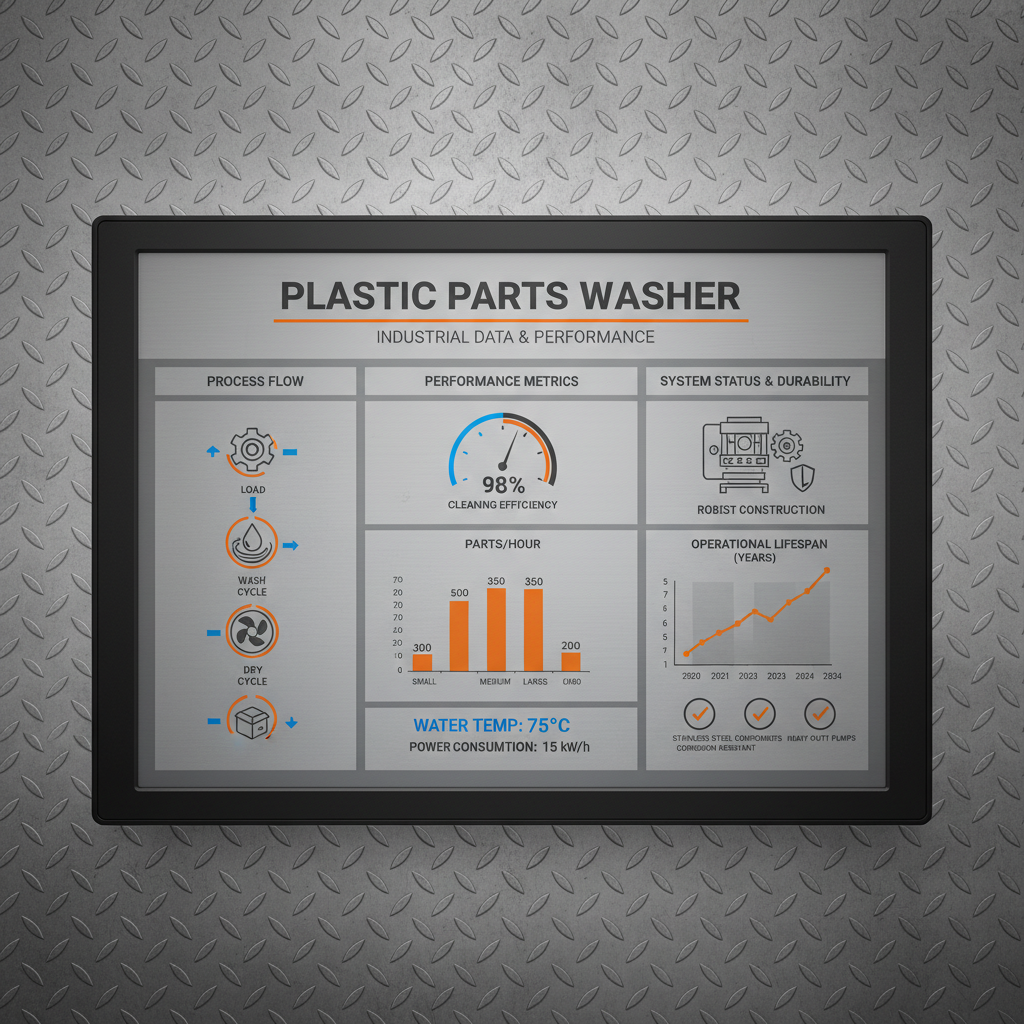
Plastic Parts Washer Performance Metrics
Advantages and Long-Term Value
Investing in a plastic parts washer offers significant advantages, including improved product quality, reduced manufacturing costs, and enhanced process efficiency. By removing contaminants, these machines ensure consistent and reliable performance of plastic components, minimizing defects and rework. The use of automated systems can also reduce labor costs and improve throughput.
From a long-term perspective, a well-maintained plastic parts washer represents a sustainable investment. Reduced waste, improved resource utilization, and compliance with environmental regulations contribute to a more responsible and profitable operation. The reliability and longevity of these machines, coupled with readily available spare parts and service support, ensure a strong return on investment.
Future Trends and Innovation
The future of plastic parts washing is poised for significant advancements. Emerging trends include the integration of Industry 4.0 technologies, such as IoT sensors and data analytics, for predictive maintenance and process optimization. The development of environmentally friendly cleaning solutions, utilizing biodegradable detergents and closed-loop water recycling systems, will become increasingly important.
Automation and robotics will play a larger role, enabling fully automated cleaning processes with minimal human intervention. The use of advanced filtration technologies, such as membrane filtration and activated carbon adsorption, will enhance cleaning efficiency and reduce waste. Furthermore, the development of customized cleaning solutions tailored to specific plastic types and contaminants will become more prevalent.
Challenges and Optimized Solutions
Despite their numerous benefits, plastic parts washers can present certain challenges. Maintaining optimal cleaning solution concentrations, preventing corrosion, and addressing the removal of difficult-to-dissolve contaminants require careful attention. Selecting the appropriate cleaning chemistry for specific plastic types is also critical to avoid damage or degradation.
Optimized solutions include implementing automated monitoring systems for cleaning solution parameters, utilizing corrosion-resistant materials in machine construction, and employing advanced cleaning technologies such as ultrasonic cleaning and plasma surface treatment. Regular maintenance, preventative maintenance schedules, and training for operators are also essential for maximizing performance and minimizing downtime.
Addressing the challenge of waste management through closed-loop recycling systems and responsible disposal practices will become increasingly important. Investing in robust filtration systems and exploring alternative cleaning chemistries will contribute to more sustainable and environmentally responsible operations.
Key Performance Indicators for Plastic Parts Washer Effectiveness
| Cleaning Efficiency |
Cycle Time (minutes) |
Operating Costs ($/Cycle) |
Maintenance Frequency (Months) |
| 95% |
5 |
0.50 |
6 |
| 88% |
8 |
0.30 |
12 |
| 92% |
6 |
0.75 |
9 |
| 75% |
10 |
0.20 |
24 |
| 90% |
7 |
0.60 |
8 |
| 85% |
9 |
0.40 |
10 |
FAQS
A plastic parts washer offers significant advantages over manual cleaning, including increased efficiency, consistent cleaning quality, reduced labor costs, and improved worker safety. Automated systems eliminate the variability inherent in manual processes, ensuring that every part is cleaned to the same exacting standards. They also minimize exposure to potentially harmful cleaning agents.
The choice of cleaning solution depends on the type of plastic and the contaminants being removed. Aqueous-based detergents are generally safe for many plastics, but it’s crucial to verify compatibility. Solvents should be used with caution, as some can damage or degrade certain plastic types. Always consult the plastic manufacturer's recommendations before selecting a cleaning solution.
Regular maintenance is essential for optimal performance and longevity. This includes cleaning the filters, replenishing cleaning solutions, inspecting spray nozzles for clogs, and checking fluid levels. The frequency of maintenance will vary depending on usage, but a general guideline is to perform routine checks weekly and more thorough maintenance monthly.
The appropriate size depends on the volume and size of parts you need to clean. Small benchtop models are suitable for low-volume applications, while larger, automated systems are designed for high-throughput manufacturing environments. Consider the dimensions of your largest parts and the number of parts you process daily when selecting a plastic parts washer.
Yes, many plastic parts washers are designed to handle a wide range of plastic types, including polypropylene, polyethylene, ABS, and polycarbonate. However, it’s crucial to select a cleaning solution and operating parameters that are compatible with the specific plastic being cleaned. Always test a small area before cleaning an entire batch of parts.
Always wear appropriate personal protective equipment (PPE), including gloves, safety glasses, and a respirator if necessary. Ensure adequate ventilation in the work area. Follow the manufacturer's instructions for operating and maintaining the machine. Never attempt to modify or repair the machine without proper training and authorization.
Conclusion
Plastic parts washers are indispensable tools for modern manufacturing and industrial maintenance, offering a multitude of benefits, including improved product quality, increased efficiency, and reduced costs. As technology continues to advance, these machines will become even more sophisticated, integrating innovative cleaning solutions and automation technologies to meet the evolving needs of diverse industries. Investing in a properly selected and maintained plastic parts washer is an investment in long-term success.
Looking ahead, the focus will be on sustainability and environmental responsibility. The development of eco-friendly cleaning solutions, closed-loop recycling systems, and energy-efficient designs will be crucial for minimizing the environmental impact of plastic parts washing. Embrace these advancements to not only enhance your operational efficiency but also contribute to a more sustainable future. For optimal plastic parts washing solutions, visit our website: www.fygasket.com.