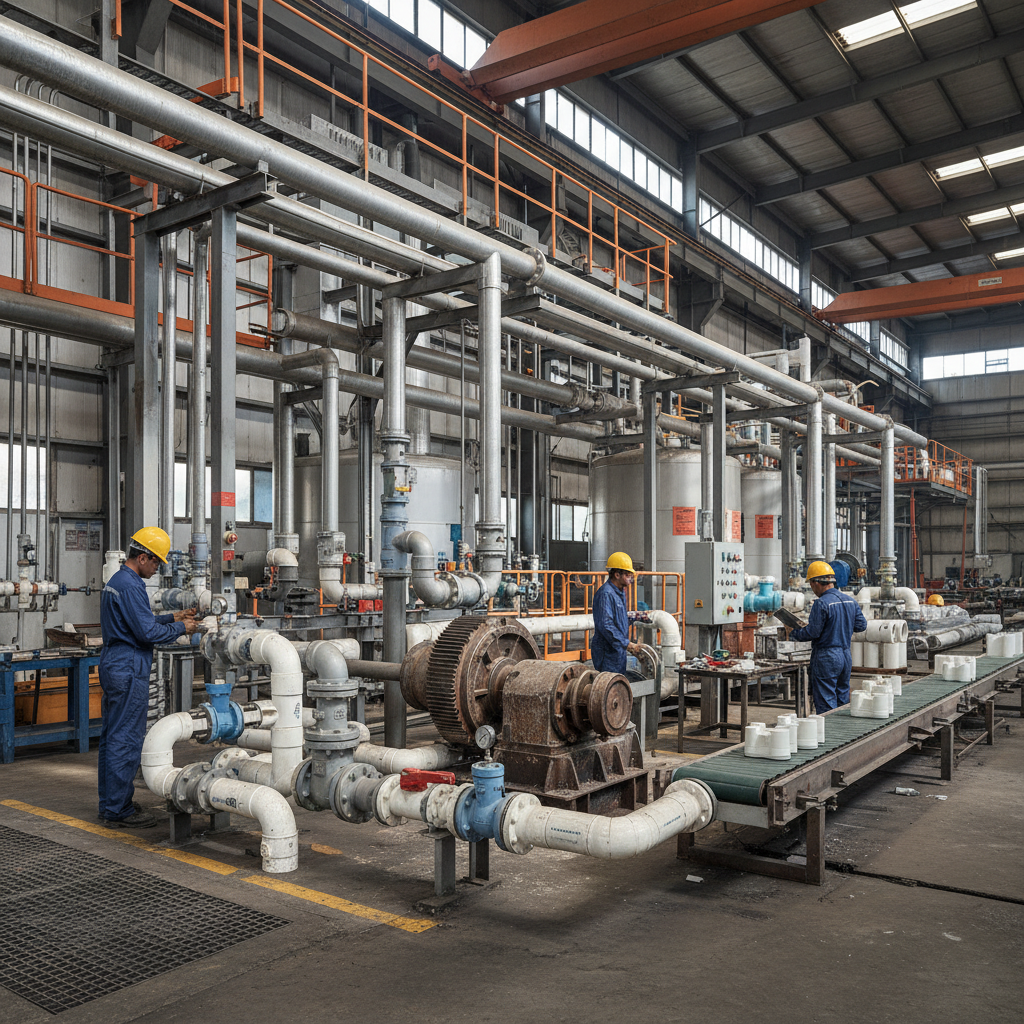
Black poly water line fittings are essential components in a vast array of fluid handling systems, playing a crucial role in irrigation, plumbing, industrial processes, and even residential water distribution. Their significance stems from their durability, cost-effectiveness, and ease of installation, making them a preferred choice over traditional metal piping in numerous applications. Understanding these fittings is vital for professionals in construction, agriculture, manufacturing, and any field reliant on efficient and reliable fluid conveyance.
Globally, the demand for efficient water management solutions is increasing due to population growth, urbanization, and climate change. Black poly water line fittings contribute directly to addressing these challenges by minimizing water waste, reducing installation costs, and providing long-lasting performance. The United Nations Sustainable Development Goal 6 – Clean Water and Sanitation – highlights the importance of sustainable water resource management, where solutions like these fittings play a part.
These fittings aren’t merely pipes and connectors; they represent a practical solution to the ongoing need for robust and affordable infrastructure. They’re a critical link in ensuring access to clean water, supporting agricultural productivity, and bolstering industrial efficiency, impacting lives and economies worldwide. The growing emphasis on resource optimization has driven innovation and adoption of black poly water line fittings.
Understanding Black Poly Water Line Fittings
Black poly water line fittings, often constructed from polyethylene (PE) materials, are designed for efficient and reliable fluid transfer. They are integral to systems requiring flexibility, corrosion resistance, and ease of installation. The black color typically indicates the inclusion of UV inhibitors, enhancing their lifespan when exposed to sunlight.
Their widespread adoption is a direct result of their cost-effectiveness compared to metal alternatives, combined with a substantial reduction in labor costs during installation. These fittings are available in a wide range of sizes and configurations, making them adaptable to diverse project requirements, from large-scale agricultural irrigation to smaller residential plumbing tasks.
Global Relevance and Industry Context
The global market for water infrastructure is substantial and continuously growing. According to the World Bank, investments in water infrastructure are crucial for sustainable development, particularly in emerging economies. Black poly water line fittings contribute significantly to this sector by providing a readily available and affordable solution for expanding water access and improving water management.
Industries such as agriculture, mining, and construction are heavily reliant on efficient water supply. The demand for these fittings is especially pronounced in arid and semi-arid regions where water conservation and reliable distribution are paramount. The ISO standards governing polyethylene pipes and fittings underscore the importance of quality and performance in these applications.
The increasing focus on sustainable agricultural practices drives the demand for black poly water line fittings in irrigation systems. Their durability and resistance to chemical degradation ensure long-term performance, reducing the need for frequent replacements and minimizing environmental impact. This aligns with the global push toward resource efficiency and responsible water management.
Defining Black Poly Water Line Fittings
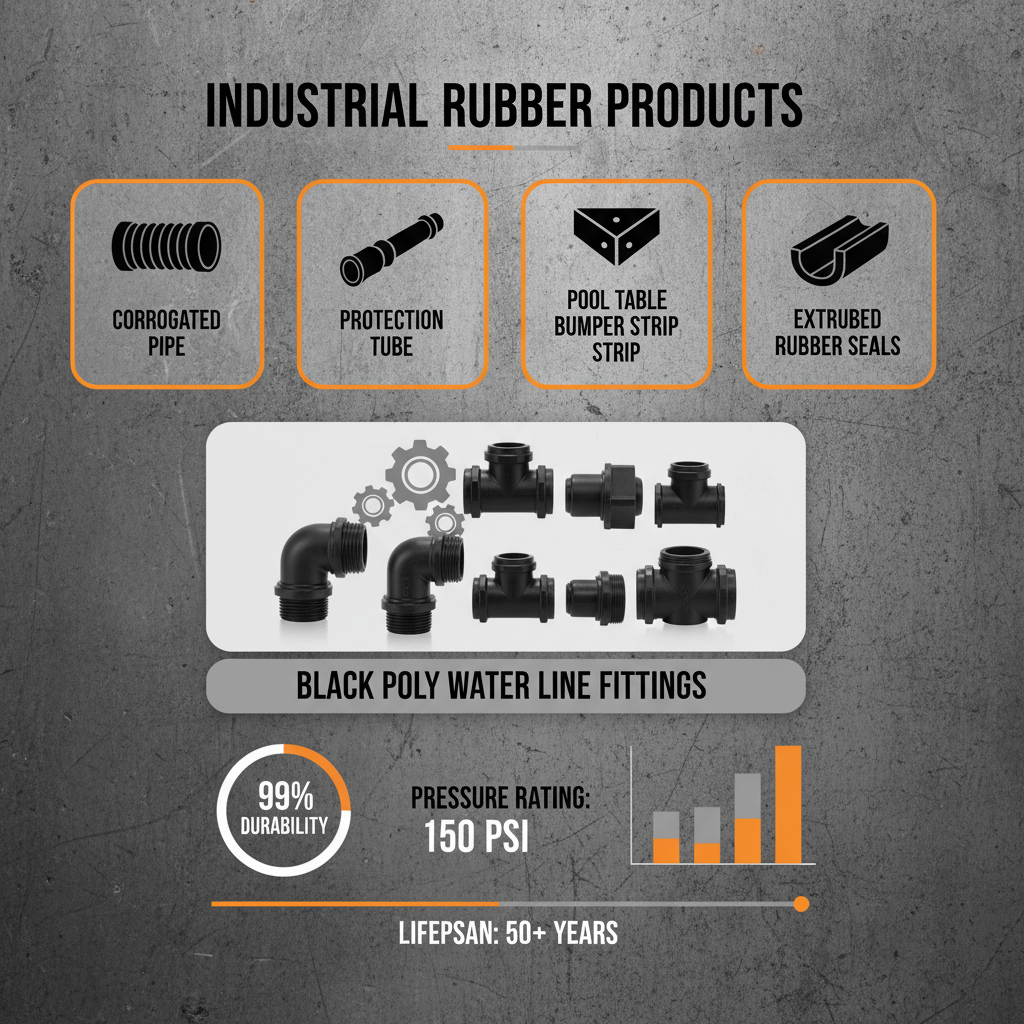
Black poly water line fittings are connection components made from polyethylene plastic, specifically designed to join sections of polyethylene (poly) pipe. They come in various forms, including elbows, tees, couplings, and adapters, facilitating the creation of complex fluid transfer networks. The ‘black’ designation indicates the addition of carbon black, a UV stabilizer that protects the plastic from degradation caused by sunlight.
These fittings are fundamentally linked to modern industrial and agricultural efficiency. They enable the reliable and cost-effective delivery of water, nutrients, and other fluids essential for crop growth, industrial processes, and residential use. Unlike metal fittings, they are non-corrosive, eliminating the risk of contamination and reducing maintenance requirements.
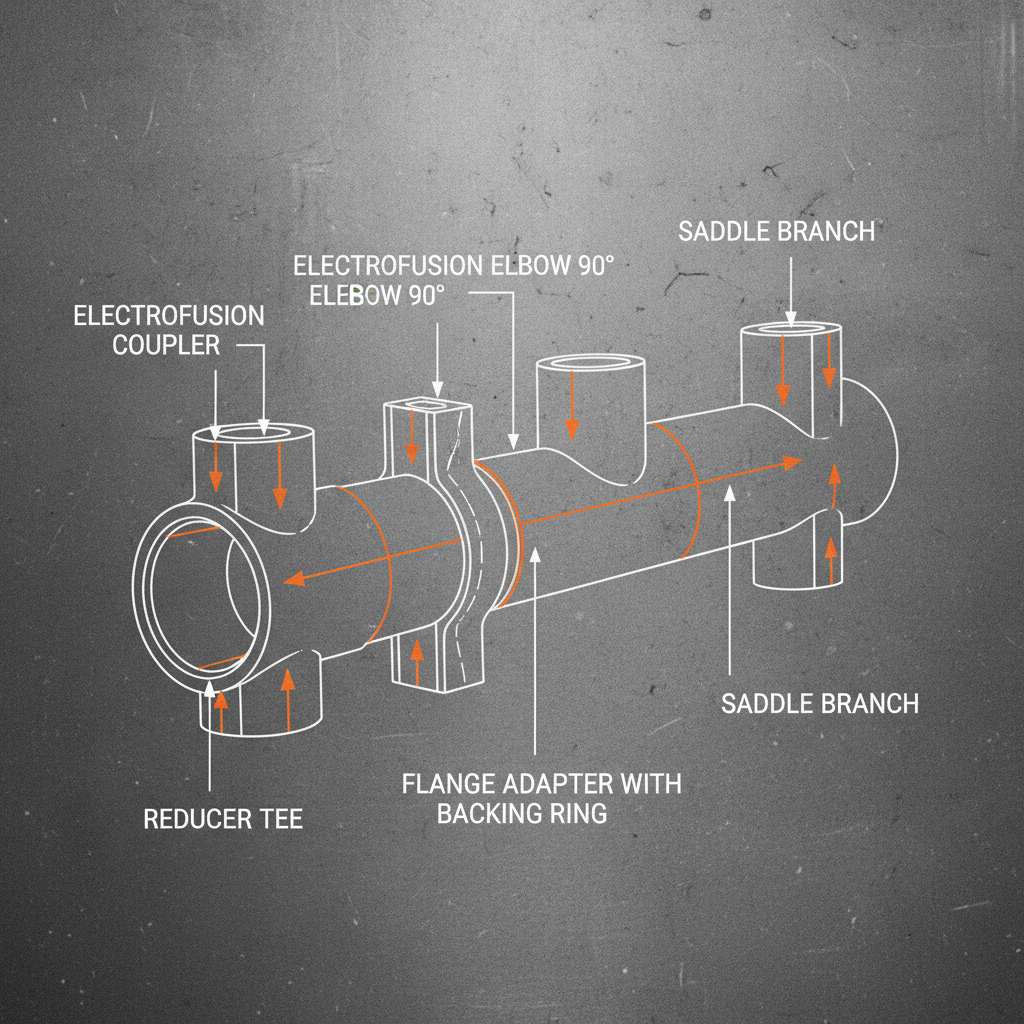
The connection methods used with these fittings often include compression fittings, butt fusion, and electrofusion, each offering different levels of strength and suitability depending on the application. Their adaptability and ease of installation make them a versatile solution for diverse environments and project scales.
Key Factors and Core Components
Durability is a cornerstone of black poly water line fittings. High-density polyethylene (HDPE) offers excellent resistance to impact, abrasion, and chemical corrosion, ensuring a long service life even in harsh environments. This translates to reduced maintenance costs and increased system reliability.
Scalability is another critical factor. These fittings are available in a wide range of sizes and configurations, allowing for the creation of systems that can be easily expanded or modified to meet changing needs. This flexibility is particularly valuable in growing agricultural operations or expanding industrial facilities.
Performance Characteristics of Black Poly Water Line Fittings
Global Applications and Use Cases
In agriculture, black poly water line fittings are extensively used in drip irrigation systems, delivering water directly to plant roots, minimizing water waste, and maximizing crop yields. This is particularly vital in water-scarce regions like the Middle East and parts of Africa.
These fittings are also crucial in the mining industry for transporting water and slurry, often in remote and challenging environments. Their durability and resistance to corrosion make them ideal for handling abrasive materials and harsh chemical conditions. In remote industrial zones, they reduce the need for constant repairs and replacements, minimizing downtime.
Furthermore, they are employed in residential plumbing for water supply lines, particularly in areas prone to freezing temperatures, as the flexibility of polyethylene minimizes the risk of bursting pipes. In post-disaster relief operations, the ease of installation and portability of these fittings make them invaluable for rapidly establishing temporary water supply systems.
Advantages and Long-Term Value
Cost efficiency is a significant benefit. Black poly water line fittings are generally less expensive than metal alternatives, reducing initial project costs. This affordability makes them accessible to a wider range of users, including small-scale farmers and homeowners.
Sustainability is another key advantage. The long lifespan of these fittings minimizes the need for frequent replacements, reducing waste and conserving resources. Moreover, polyethylene is recyclable, contributing to a circular economy. The reduced energy consumption associated with their production compared to metal fittings also lowers their environmental footprint.
Future Trends and Innovations
The development of bio-based polyethylene materials is a promising trend, offering a more sustainable alternative to traditional fossil fuel-based plastics. This innovation aligns with the growing demand for eco-friendly materials and reduces the carbon footprint of these fittings.
Digital integration, such as embedding sensors into fittings for leak detection and flow monitoring, is another area of innovation. This smart technology allows for proactive maintenance and optimized water usage, contributing to greater efficiency and resource conservation. Automation in the manufacturing process will also improve efficiency and consistency in quality.
Further research into enhancing the UV resistance of black poly water line fittings will improve their longevity in harsh climates. Exploring new joining methods that require minimal skill and equipment will also broaden their accessibility and facilitate wider adoption.
Challenges and Solutions
One common challenge is the potential for UV degradation, even with the inclusion of carbon black. Prolonged exposure to intense sunlight can still cause embrittlement and cracking over time. The solution lies in utilizing higher concentrations of UV stabilizers and exploring alternative UV-resistant additives.
Another limitation is the sensitivity to certain chemicals, particularly strong solvents. Selecting the appropriate polyethylene grade and ensuring compatibility with the fluids being transported are crucial. Regularly inspecting systems and replacing fittings exposed to harsh chemicals can prevent failures.
Proper installation is essential for optimal performance. Incorrectly fitted joints can lead to leaks and system failures. Providing comprehensive training to installers and adhering to established industry standards are critical for mitigating this risk.
Summary of Black Poly Water Line Fitting Performance and Considerations
| Application Area |
Performance Metric |
Risk Factor |
Mitigation Strategy |
| Agricultural Irrigation |
Water Efficiency (Score 1-10) |
UV Degradation |
Use high UV stabilizer content fittings |
| Industrial Slurry Transport |
Abrasion Resistance (Score 1-10) |
Chemical Compatibility |
Select chemically resistant PE grades |
| Residential Plumbing |
Burst Resistance (Score 1-10) |
Freezing Temperatures |
Insulate pipes in cold climates |
| Disaster Relief |
Installation Speed (Score 1-10) |
Material Handling |
Use lightweight and portable fittings |
| Mining Operations |
Corrosion Resistance (Score 1-10) |
Exposure to Harsh Chemicals |
Regular inspection and replacement |
| Remote Locations |
Maintenance Requirements (Score 1-10) |
Accessibility of Repair Parts |
Stockpile essential components |
FAQs
Black poly water line fittings offer several key advantages over metal pipes, including lower cost, easier installation, greater flexibility, and resistance to corrosion. They are also significantly lighter, reducing handling challenges and transportation expenses. The absence of metallic components eliminates the risk of rust and leaching, preserving water quality. Furthermore, the flexibility of poly pipe reduces the need for numerous joints, minimizing potential leak points and streamlining the installation process.
Achieving a leak-proof connection requires proper preparation and technique. Ensure the pipe ends are cleanly cut and free of debris. Select the appropriate fitting for the pipe size and application. Follow the manufacturer's instructions for the chosen connection method – whether it's compression, butt fusion, or electrofusion. Properly tightened compression fittings and correctly fused joints are essential for long-term reliability. Regular inspection of connections is also recommended.
The lifespan of black poly water line fittings typically ranges from 20 to 50 years, depending on several factors. UV exposure is a primary concern, which is why the inclusion of carbon black is crucial. The quality of the polyethylene material, the operating pressure, the temperature of the fluids being transported, and the installation quality all contribute to longevity. Regular inspections and preventative maintenance can significantly extend the lifespan of these fittings.
Yes, black poly water line fittings made from approved polyethylene materials are generally suitable for potable water systems. However, it’s crucial to ensure that the fittings are certified to meet relevant drinking water standards, such as NSF/ANSI 61. These certifications verify that the materials used do not leach harmful substances into the water. Always verify compliance with local regulations before using these fittings in potable water applications.
Yes, black poly water line fittings are commonly used in underground applications. The polyethylene material is resistant to corrosion and is not affected by soil conditions. However, it’s important to ensure adequate protection from physical damage during installation and to provide sufficient backfill to support the pipes. Using detectable tape during burial is recommended for easy location during future maintenance.
The temperature range for black poly water line fittings varies depending on the specific polyethylene grade used. Typically, they can safely operate between 32°F (0°C) and 140°F (60°C). Exposure to temperatures outside this range can affect the material's strength and flexibility. For applications requiring higher temperatures, specialized high-temperature polyethylene fittings should be used.
Conclusion
Black poly water line fittings represent a cost-effective, durable, and versatile solution for a wide range of fluid handling applications. Their adaptability, ease of installation, and resistance to corrosion make them a preferred choice across diverse industries, from agriculture and mining to residential plumbing and disaster relief. Understanding their benefits and limitations is crucial for selecting the right materials and ensuring long-term system reliability.
As technology advances, we can expect to see further innovations in materials and connection methods, enhancing the sustainability and performance of these fittings. Investing in quality fittings, proper installation practices, and regular maintenance will unlock their full potential, contributing to more efficient water management and a more sustainable future. black poly water line fittings are a valuable asset.