

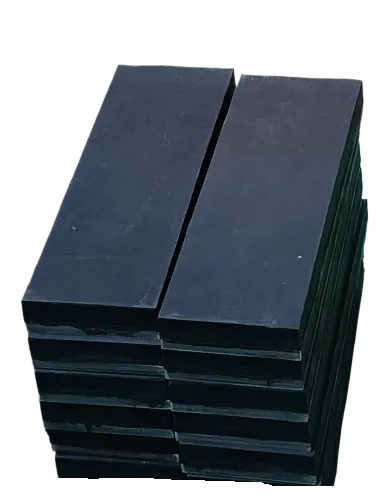
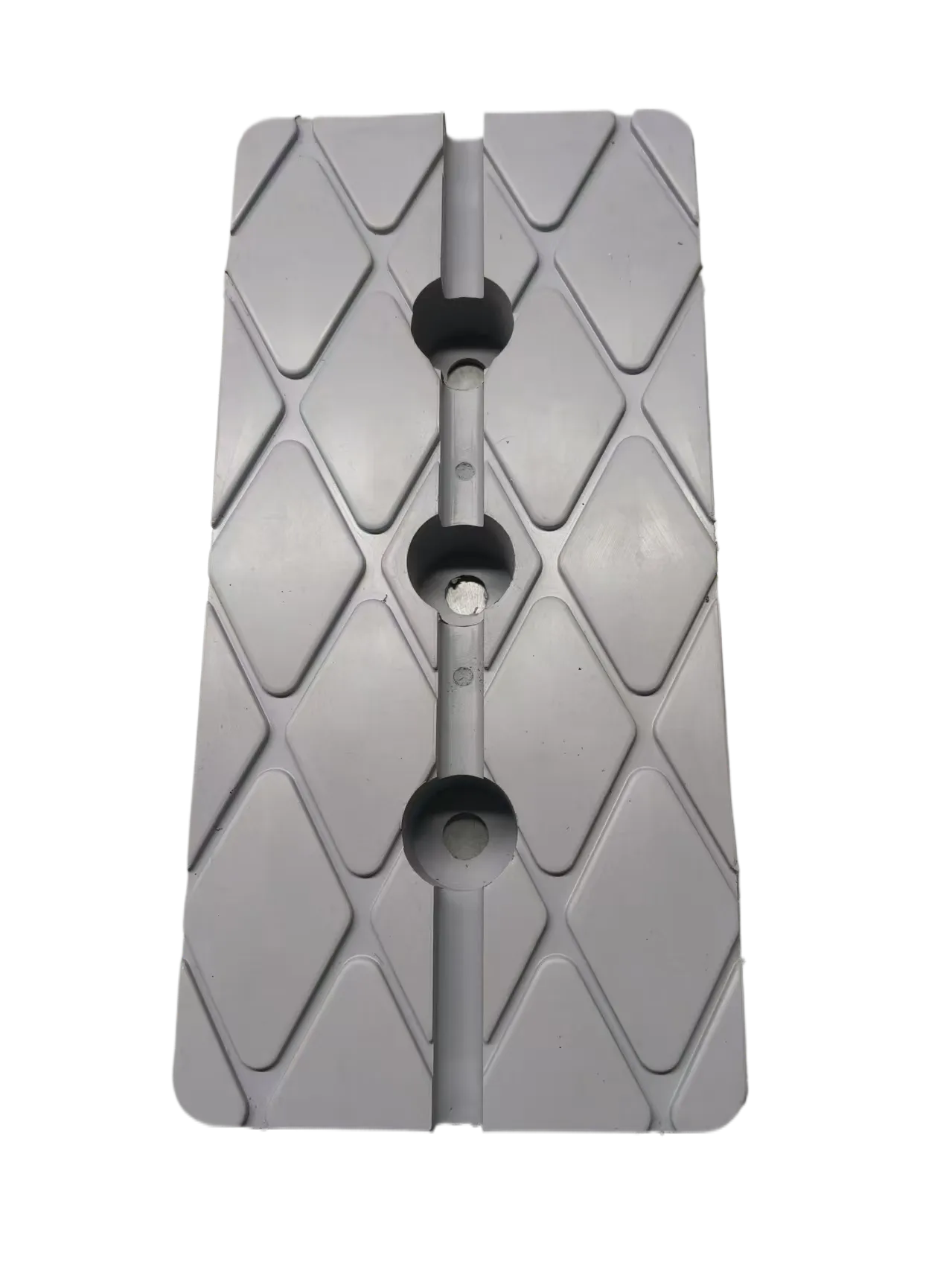
Rubber support Pad
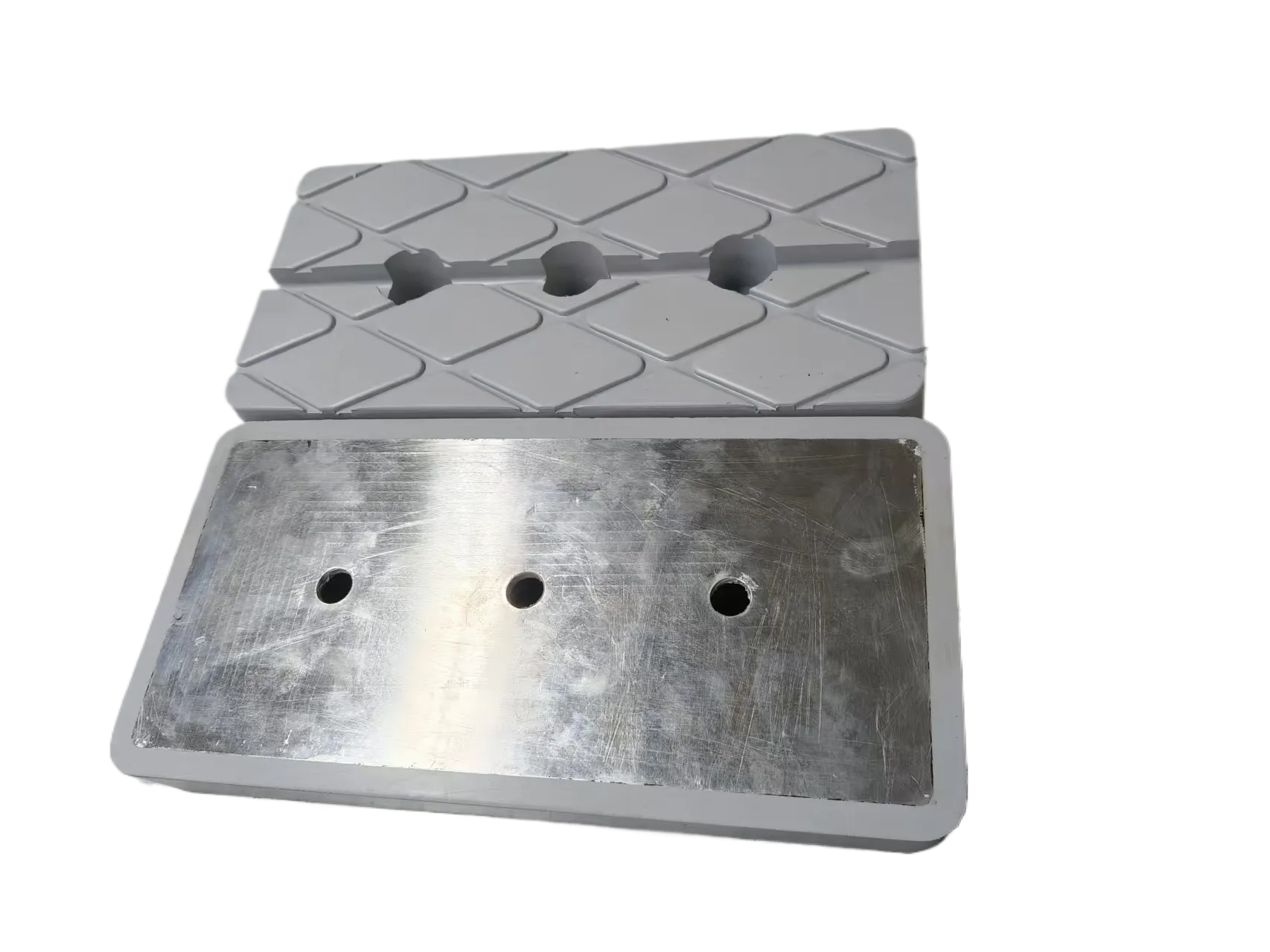
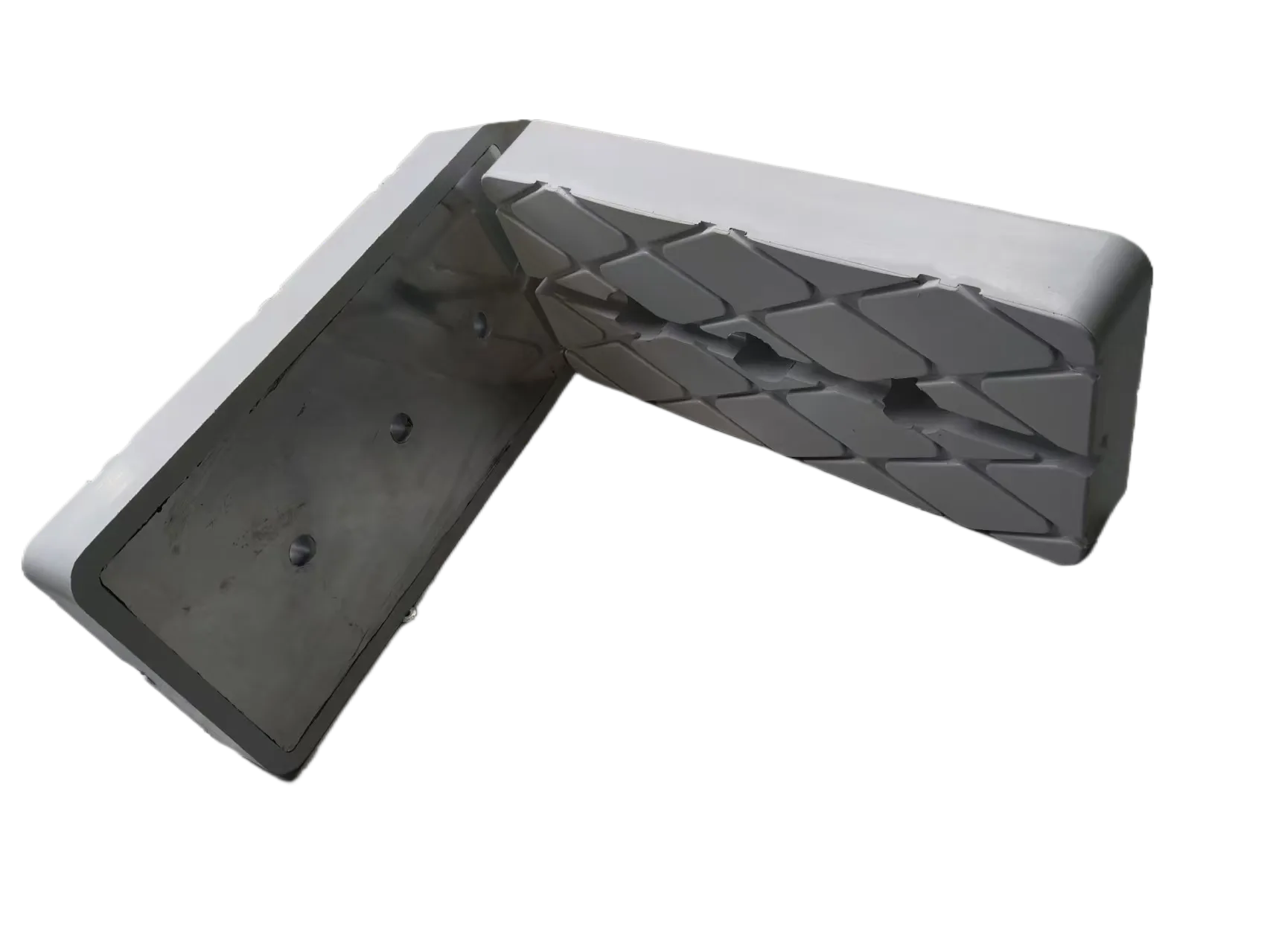
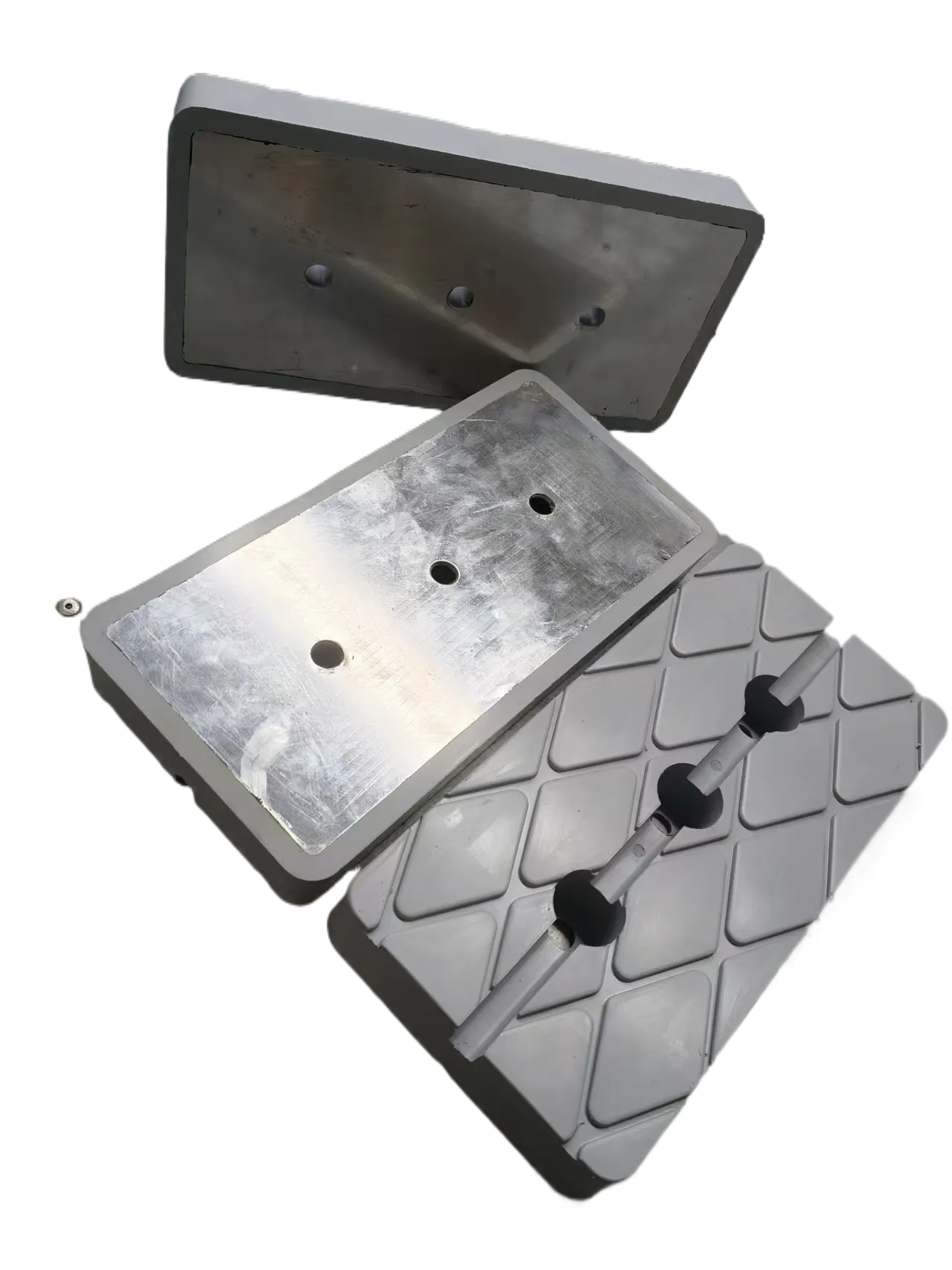
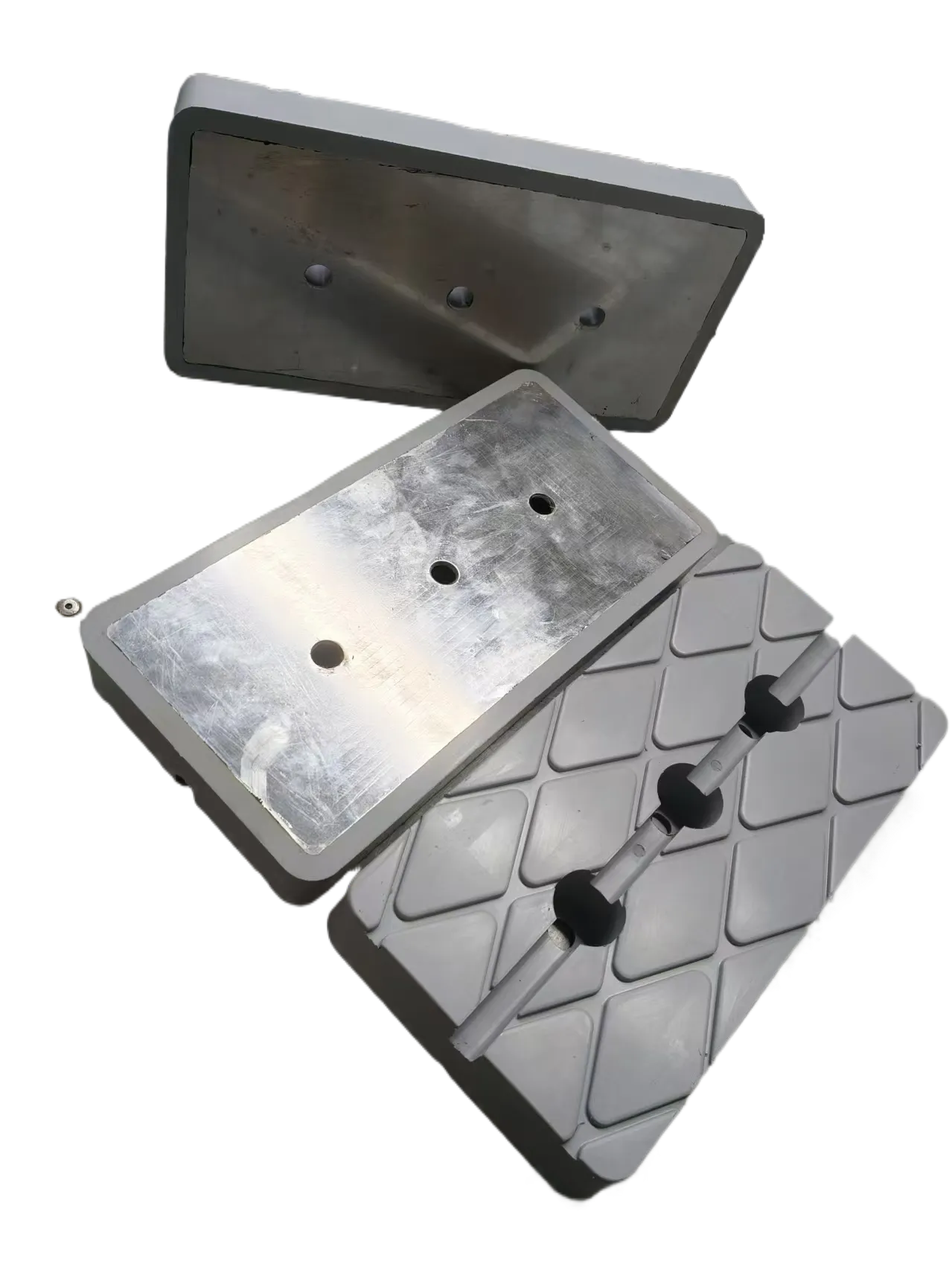
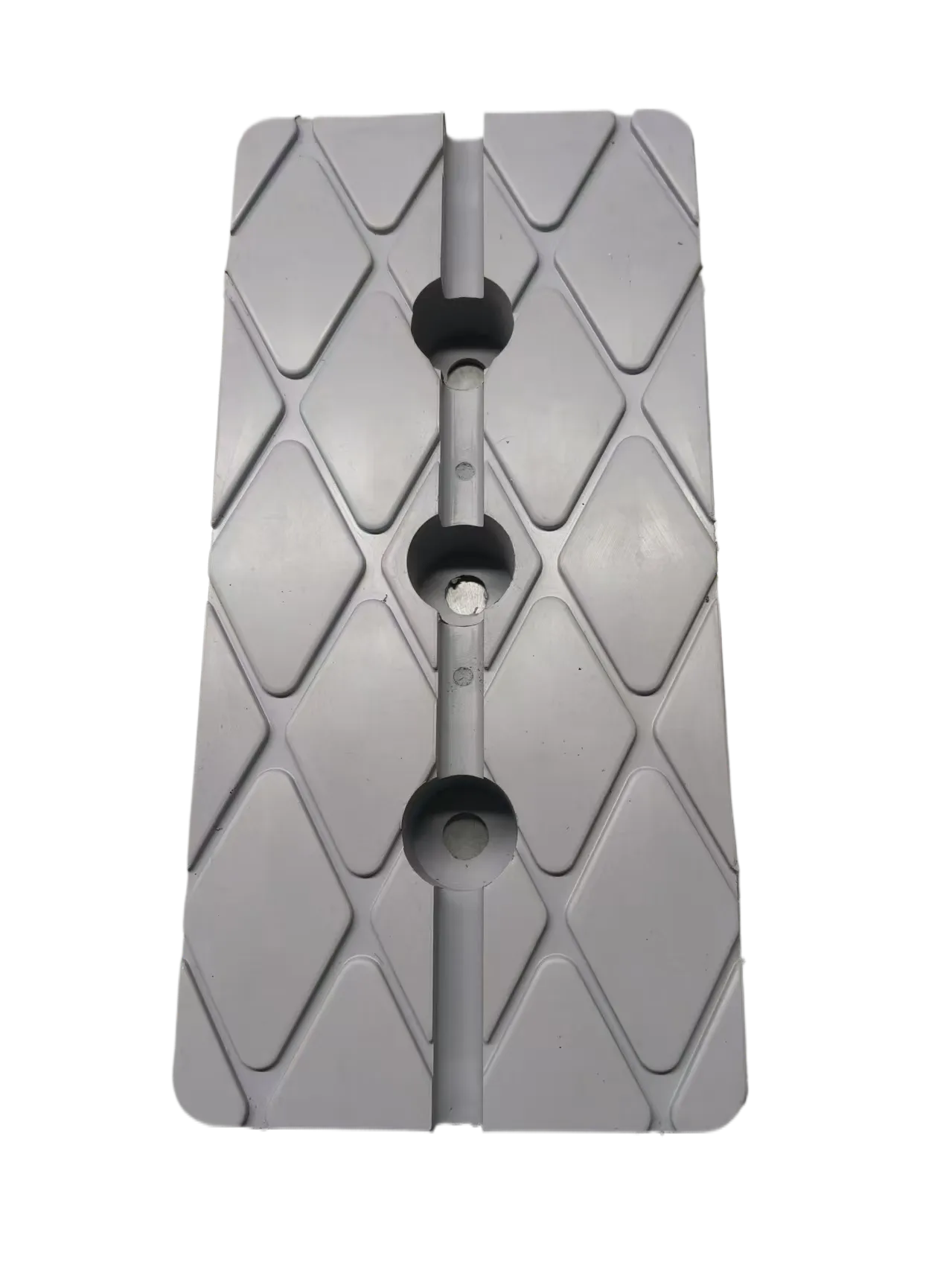
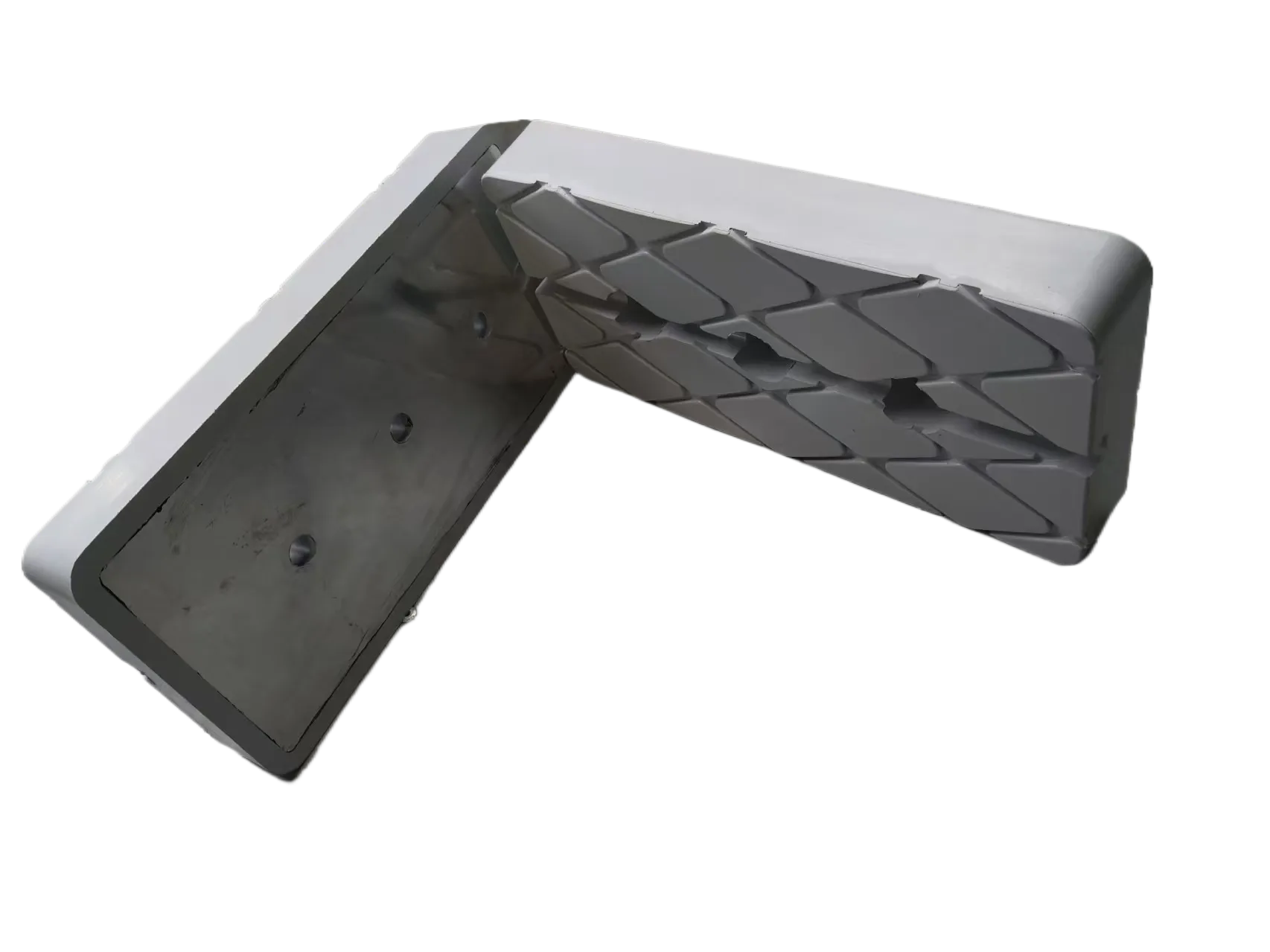
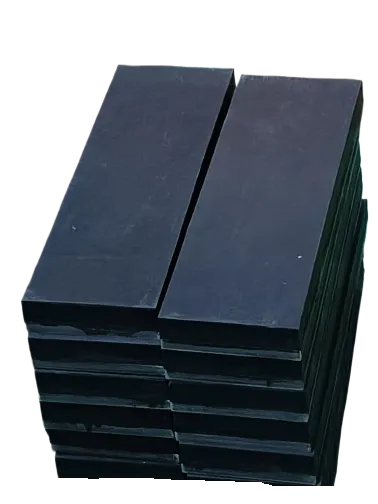
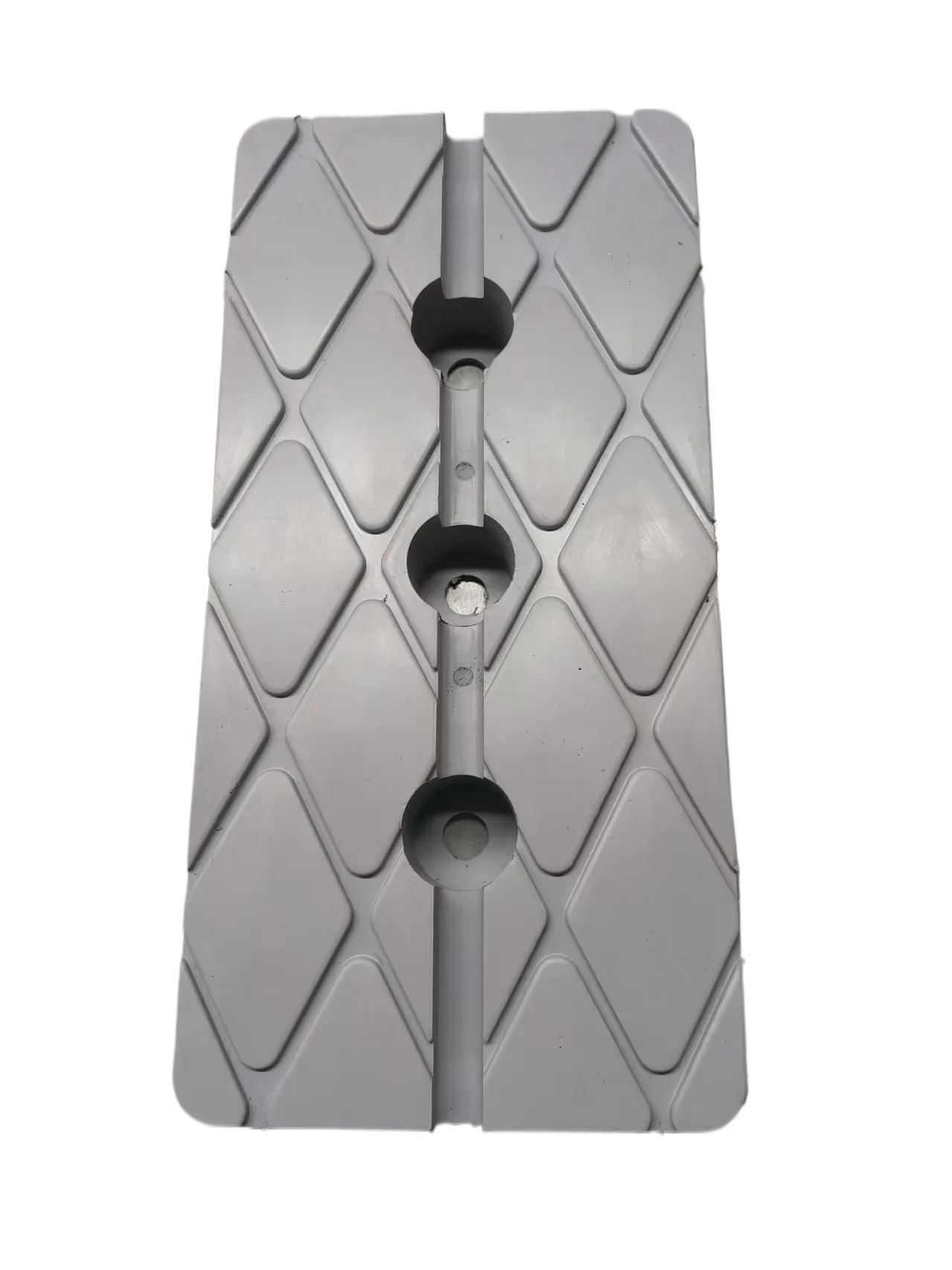
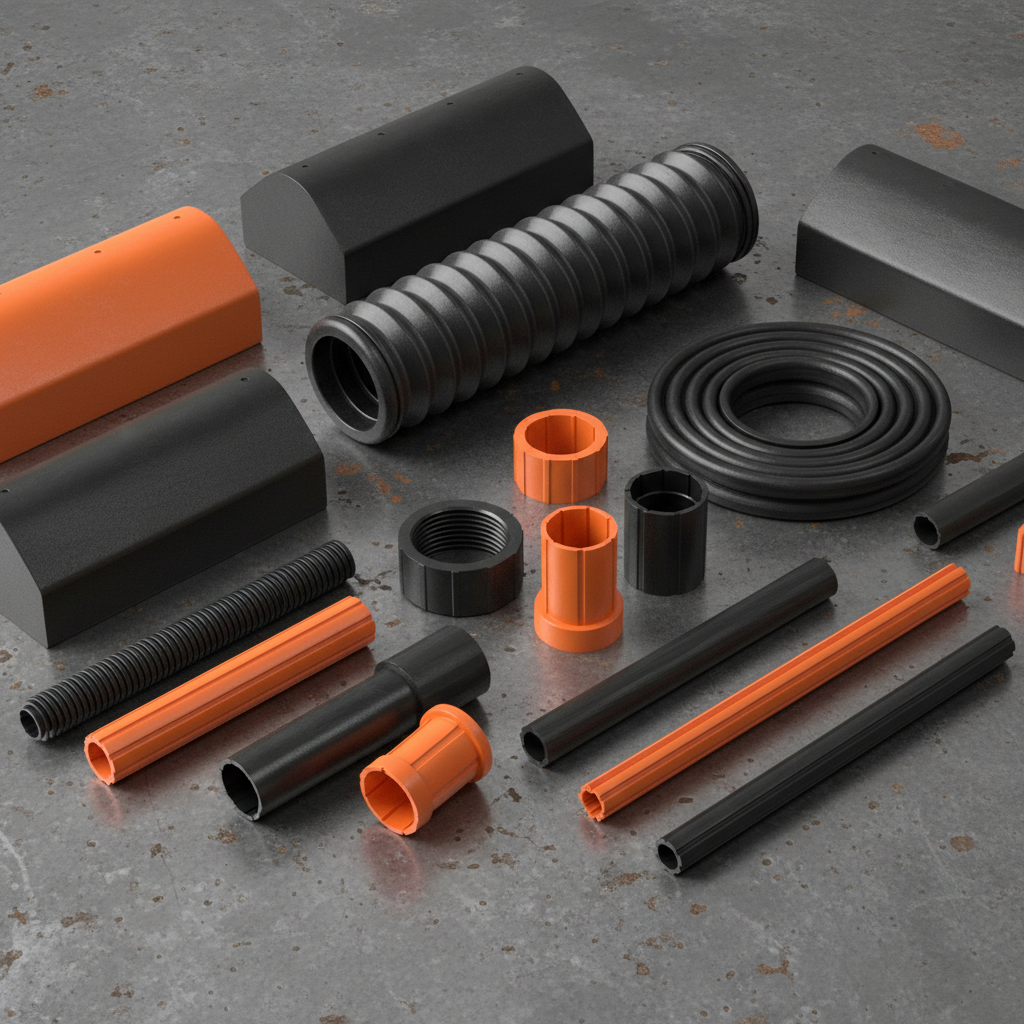
We begin with the development of proprietary rubber compounding formulas, a critical step in ensuring superior bonding between metal and rubber substrates. Our in-house R&D team formulates custom elastomer blends based on natural rubber (NR), synthetic rubbers such as nitrile (NBR), styrene-butadiene (SBR), or ethylene propylene diene monomer (EPDM), depending on the application’s demands for temperature resistance, chemical exposure, or dynamic loading conditions. These formulations are optimized to achieve strong adhesion during the vulcanization process, eliminating delamination risks and ensuring long-term durability under stress.
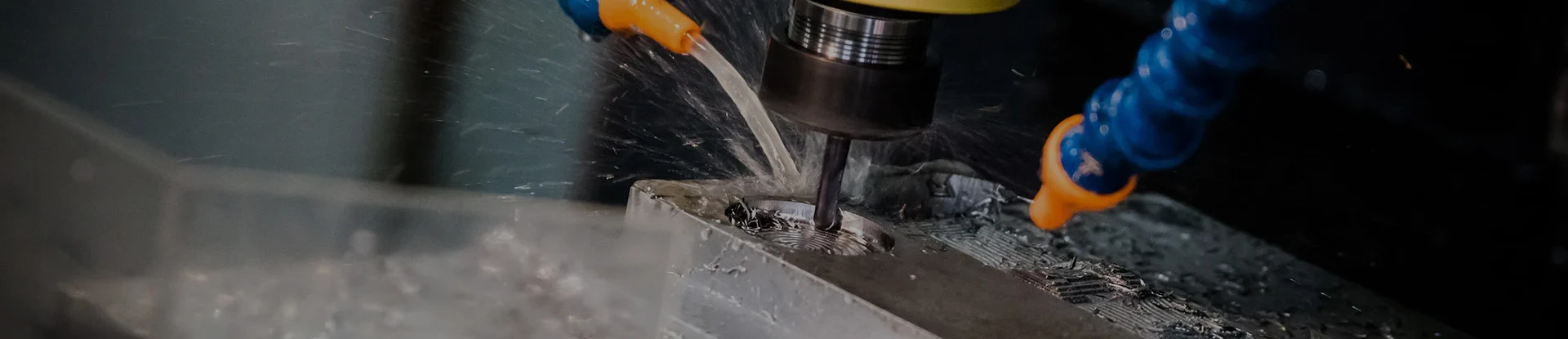
The mold design and fabrication process is handled entirely in-house, allowing for rapid prototyping and precise control over dimensional accuracy. Our engineering team utilizes advanced CAD/CAM software to create molds that accommodate complex geometries and tight tolerances. By integrating mold design with precision machining, we significantly reduce lead times while maintaining exceptional quality standards. This integrated approach enables us to deliver prototypes quickly and scale up to mass production efficiently.
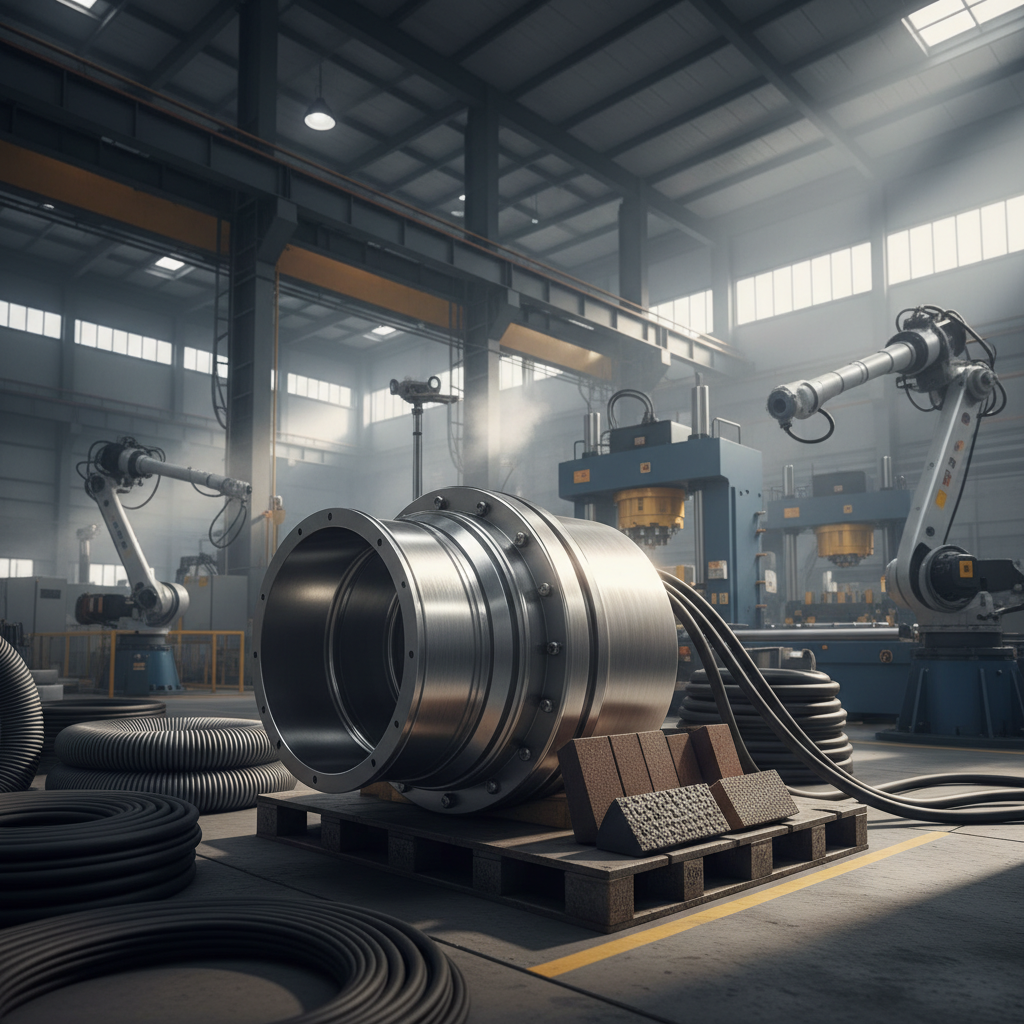
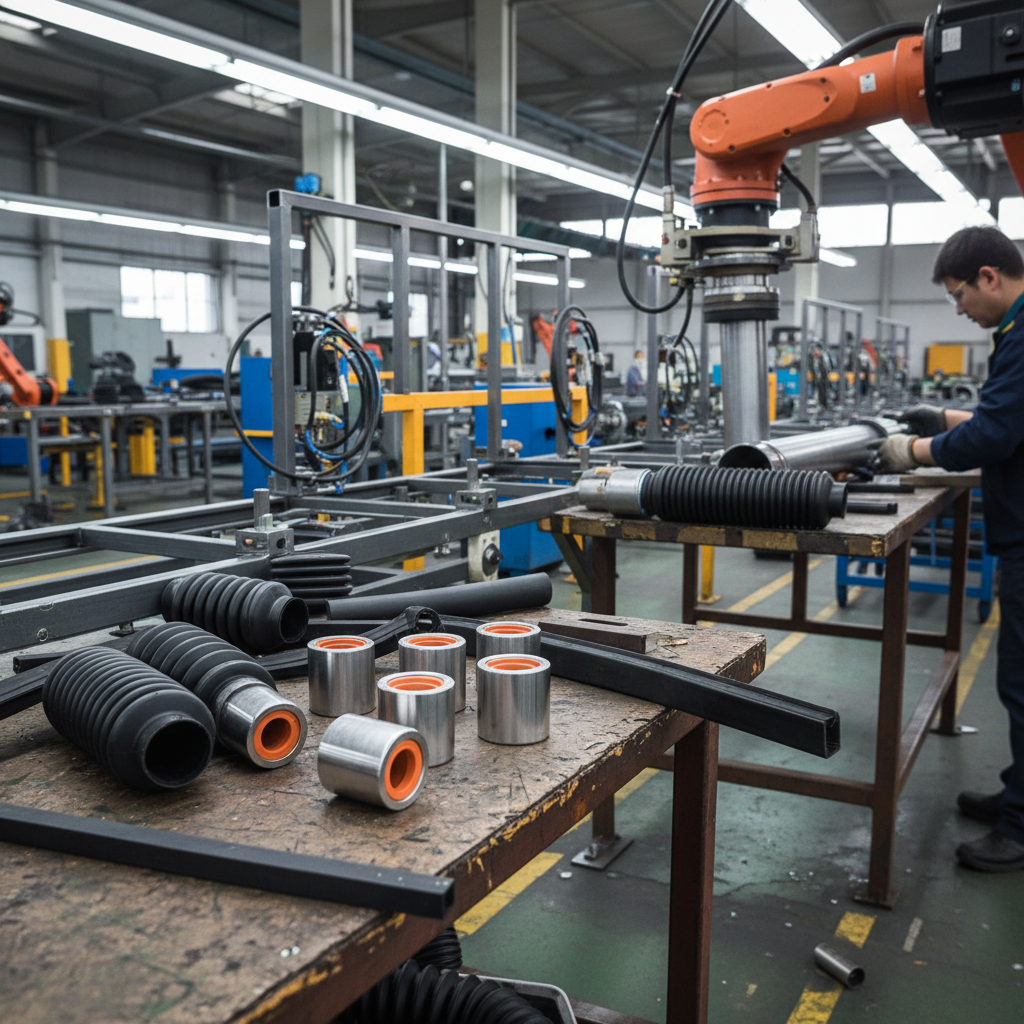
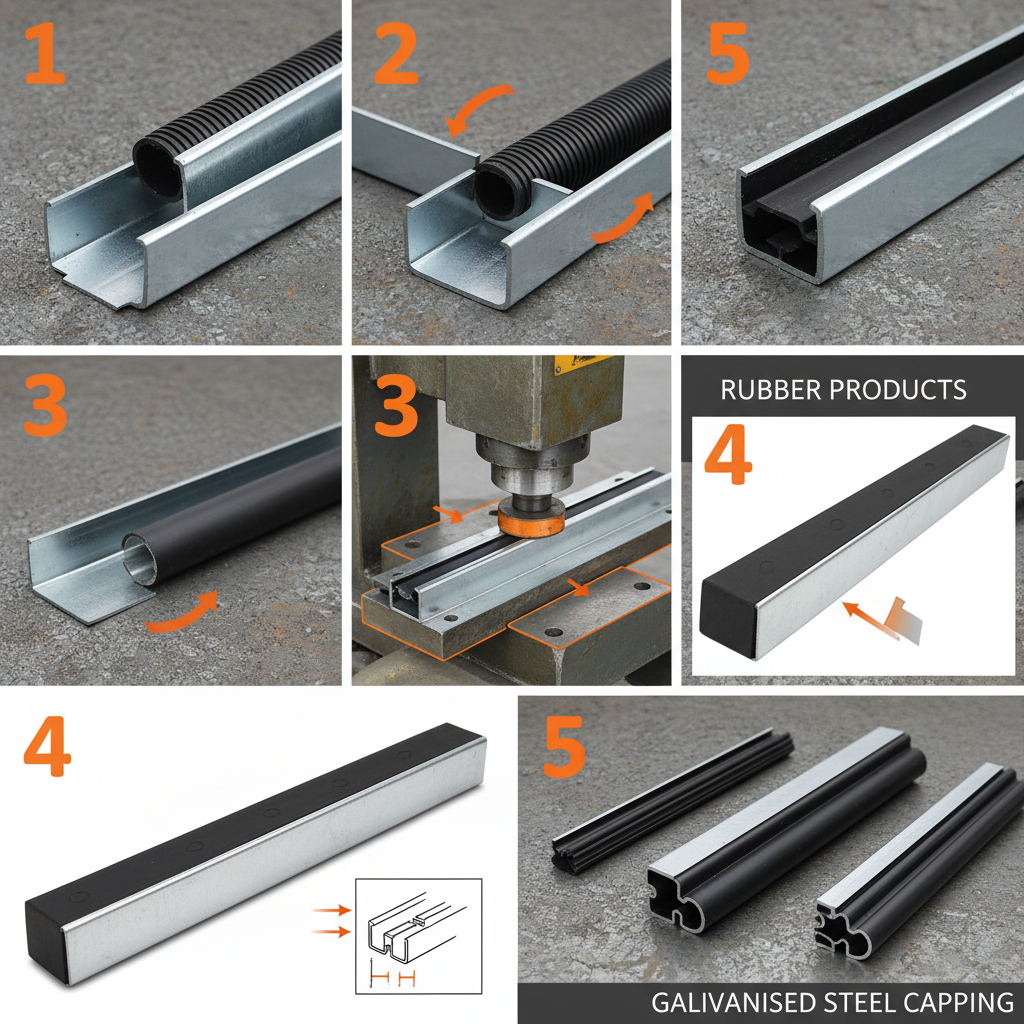
Our production line features experienced personnel who specialize in the vulcanization of rubber-to-metal bonded components. The curing process takes place in hydraulic press systems under controlled temperature and pressure conditions, ensuring complete cross-linking of the polymer chains and optimal physical properties. Each stage of processing adheres to strict standard operating procedures (SOPs) to maintain consistency across batches. Special surface treatments and primers are applied to the metal substrates prior to molding to enhance bonding strength, which is crucial for high-load applications.
Quality assurance is embedded throughout the entire manufacturing cycle. Every batch undergoes rigorous testing, including tensile strength, hardness (Shore A), compression set, aging resistance, and peel/adhesion tests between rubber and metal. For applications requiring sealing functionality, we conduct leak testing under simulated operating conditions. Chemical resistance is evaluated against oils, solvents, acids, and other aggressive media to confirm compatibility. Additionally, abrasion resistance is tested using DIN or ASTM methods to validate longevity in harsh environments.
Installation and maintenance are simplified thanks to our design considerations—components are engineered for easy fitment without special tools, reducing downtime and labor costs. Furthermore, our rubber compounds are formulated to be environmentally friendly, free from hazardous substances such as heavy metals or ozone-depleting chemicals, complying with RoHS, REACH, and other international environmental regulations
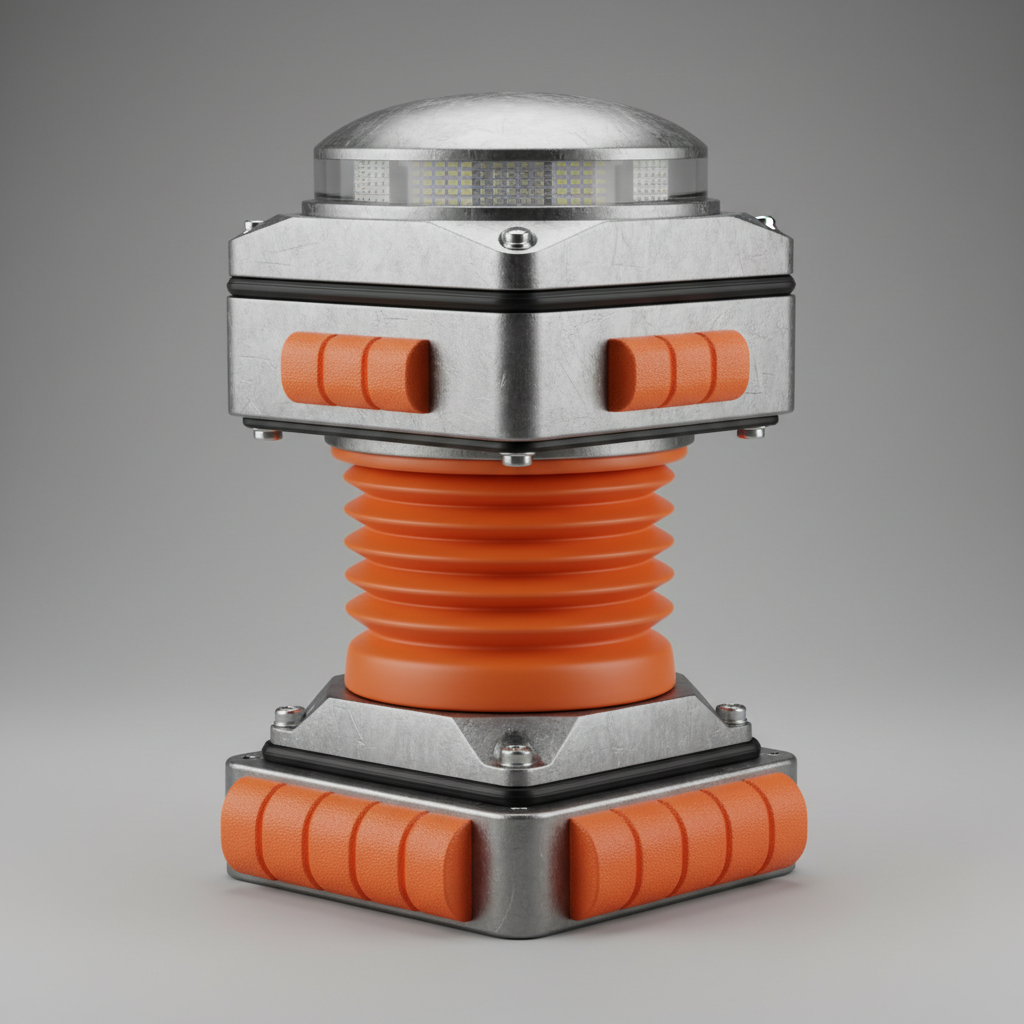
A key advantage of our rubber support pads is their outstanding damping performance. They effectively absorb vibrations and reduce noise transmission, enhancing both equipment lifespan and user comfort. Whether used in machinery mounts, vehicle suspensions, or building foundations, these pads contribute significantly to operational stability and safety.
Wind power equipment