



Comprehensive Guide to Metal Pipe Caps Types Materials and Applications
Metal Pipe Caps: A Comprehensive Guide
Protecting the integrity of piping systems is crucial across various industries, from plumbing and construction to oil and gas. Metal pipe caps serve as a vital component in this protection, offering a secure seal and preventing contamination. This article will delve into the world of metal pipe caps, exploring their types, materials, applications, and key considerations when selecting the right cap for your needs. Understanding these essential components will ensure the longevity and safety of your piping infrastructure.
Types of Metal Pipe Caps
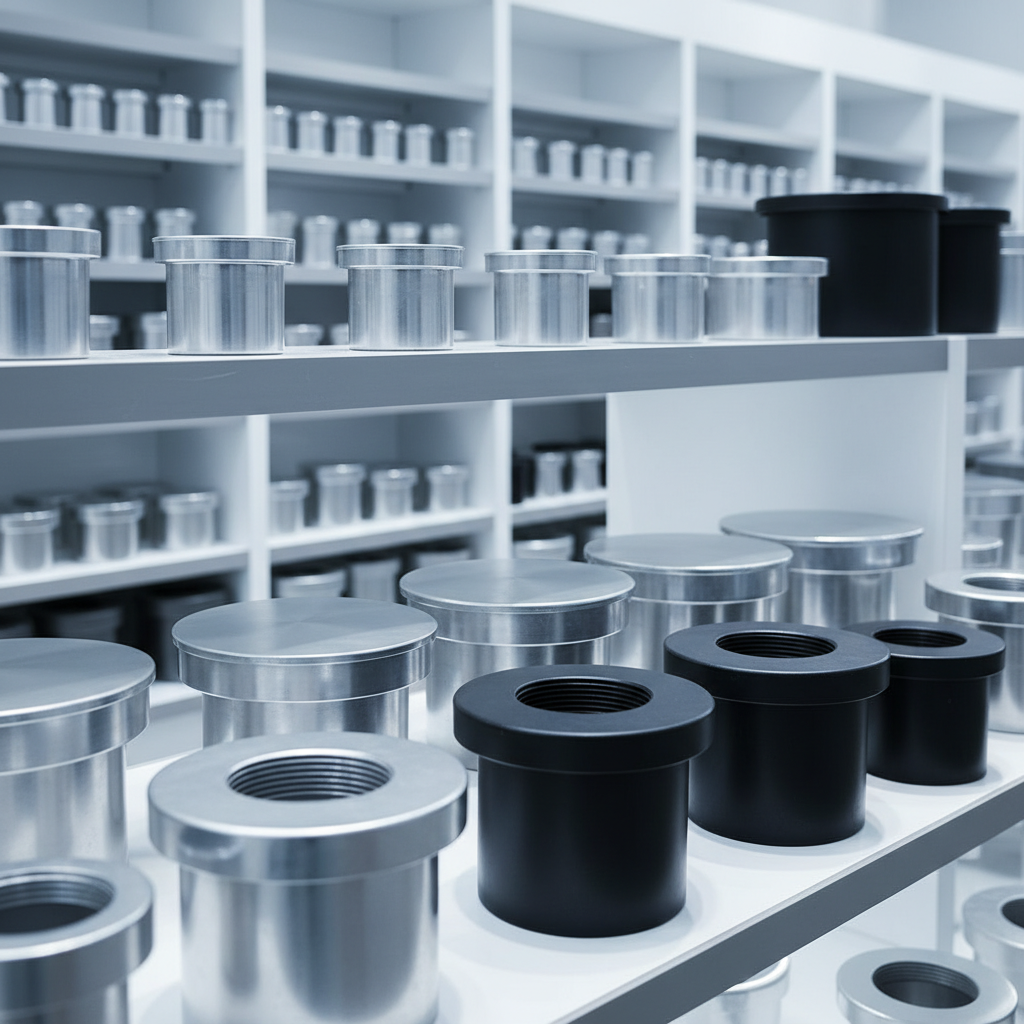
Metal pipe caps are available in a variety of types, each designed for specific applications. The most common types include threaded caps, slip-on caps, welded caps, and reducing caps. Threaded caps offer a quick and easy connection, while slip-on caps are ideal for systems that require frequent disassembly. Welded caps provide the most secure and permanent seal, and reducing caps are used to connect pipes of different diameters. Choosing the right type depends on factors like pressure requirements, temperature, and the need for frequent access to the pipe's interior. FY Gasket offers a complete range of metal pipe cap options to suit diverse industrial needs.
Key Takeaway: Selecting the correct pipe cap type is critical for ensuring the reliability and safety of your piping systems.
Materials Used in Metal Pipe Cap Construction
The material of a metal pipe cap is a significant factor in its performance and suitability for a given application. Common materials include carbon steel, stainless steel (304, 316), aluminum, and brass. Carbon steel is a cost-effective option for general-purpose applications, while stainless steel offers superior corrosion resistance. Aluminum is lightweight and suitable for low-pressure systems, and brass is often used in plumbing applications due to its machinability and resistance to corrosion. The choice of material should be based on the fluid being conveyed, the operating temperature, and the environmental conditions.
Material Selection Guide:
• Carbon Steel: Cost-effective, general-purpose.
• Stainless Steel (304/316): Excellent corrosion resistance.
• Aluminum: Lightweight, low-pressure systems.
• Brass: Machinable, corrosion resistant, plumbing.
Metal Pipe Caps: Key Applications
Metal pipe caps are indispensable in a wide range of industries and applications. They’re essential in plumbing systems to seal off unused pipe openings and prevent leaks. In oil and gas, they protect against contamination during storage and transport. Chemical processing plants rely on them to contain hazardous materials, while the automotive industry utilizes them in fluid transfer systems. Moreover, they are crucial in hydraulic systems, ensuring safe and efficient operation. FY Gasket’s high-quality metal pipe caps are designed to withstand the rigors of these diverse environments.
Factors to Consider When Choosing Metal Pipe Caps
Selecting the appropriate metal pipe cap requires careful consideration of several factors. Pressure rating is paramount – the cap must be able to withstand the maximum operating pressure of the system. Temperature considerations are also vital, as extreme temperatures can affect the material's integrity. Thread compatibility is essential for threaded caps, ensuring a proper seal. Finally, corrosion resistance is crucial in harsh environments. Always prioritize quality and ensure the cap meets relevant industry standards. FY Gasket provides expert guidance to help you select the optimal pipe cap for your specific application.
Metal Pipe Cap Specifications and Standards
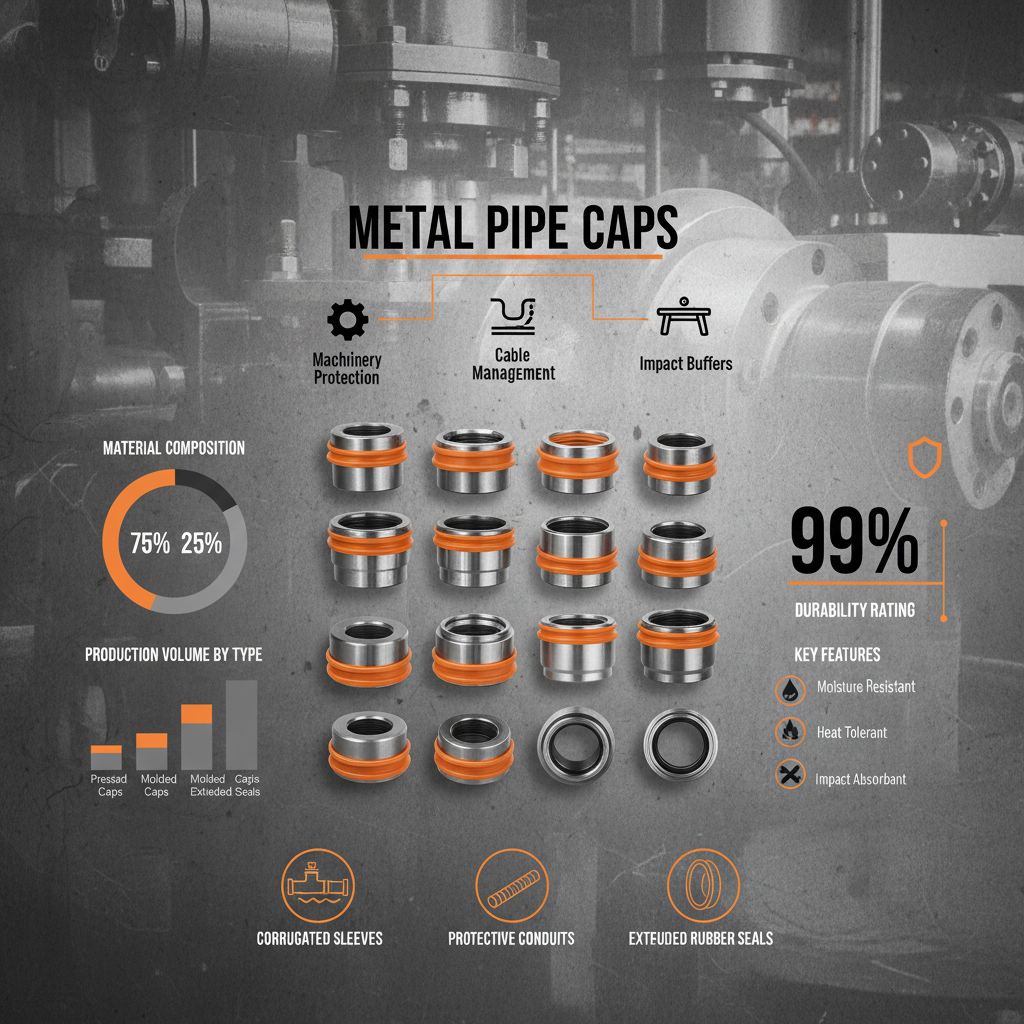
Metal pipe caps must adhere to industry standards to ensure safety and reliability. Common standards include ANSI/ASME B16.11 for forged fittings, and MSS SP-79 for socket welding fittings. These standards define material requirements, manufacturing processes, and testing procedures. FY Gasket ensures all its metal pipe caps meet or exceed these industry standards, providing customers with peace of mind. It’s essential to verify that the caps you purchase have the necessary certifications for your application.
Conclusion: Ensuring Piping System Integrity with Quality Metal Pipe Caps
Investing in high-quality metal pipe caps is essential for maintaining the integrity and safety of your piping systems. Choosing the right material, type, and specifications can prevent leaks, corrosion, and costly downtime. FY Gasket offers a comprehensive range of solutions and expert support to meet your specific needs. Don’t compromise on quality – choose reliable metal pipe caps for long-lasting performance.
Frequently Asked Questions (FAQs)
What is the difference between threaded and welded pipe caps?
Threaded pipe caps are screwed onto the pipe, providing a quick and easy connection that can be disassembled without specialized tools. Welded pipe caps, on the other hand, are permanently attached to the pipe using welding. This creates a much stronger and more leak-proof seal. Welded caps are generally preferred for high-pressure applications or where a permanent seal is required. Threaded caps are ideal for systems that require frequent maintenance or access.
How do I determine the correct size pipe cap?
The correct size pipe cap should match the nominal pipe size and the threading type (if applicable). It’s crucial to measure the outside diameter of the pipe to ensure a proper fit. For threaded caps, ensure the thread pitch is compatible with the pipe’s threads. Using a pipe cap that is too small can damage the pipe, while a cap that is too large will not create a secure seal. Refer to the manufacturer’s specifications for accurate sizing information.
What is the purpose of a reducing pipe cap?
A reducing pipe cap is used to connect pipes of different diameters. It allows you to cap off a pipe with a smaller diameter than the original pipe size. This is useful in applications where you need to reduce flow or connect different sections of a piping system with varying diameters. Reducing caps are available in various sizes and materials to suit different applications.
How can I prevent corrosion on metal pipe caps?
To prevent corrosion, choose pipe caps made from corrosion-resistant materials like stainless steel. Regularly inspect the caps for signs of corrosion and apply a protective coating if necessary. Avoid exposing the caps to harsh chemicals or extreme temperatures. Proper maintenance and material selection are key to preventing corrosion and extending the lifespan of your metal pipe caps.
-
Guide to Choosing a High Quality Stainless Steel Pipe CapNewsApr.16,2026
-
Premium Durable Aluminum Post Caps 4x4 for Outdoor StructuresNewsApr.09,2026
-
Comprehensive Guide to Choosing the Right Sheet Metal Chimney Cap for Your HomeNewsApr.07,2026
-
Comprehensive Guide to Metal Tube Caps for Industrial ApplicationsNewsMar.31,2026
-
Comprehensive Guide to Durable Galvanised Steel Capping SolutionsNewsMar.28,2026
-
Comprehensive Guide to Selecting the Right End Caps for Metal Tubing ApplicationsNewsMar.26,2026
-
Enhance Your Outdoor Space with Durable 2x2 Aluminum Post Cap LightsNewsMar.24,2026


- Mob: +86 0312-2911666/+86 0312-2911318
- Fax: 0312-2911511
- Email: rubber@hbfengye.com/
- Add: No. 228 North Street, Gaobeidian City, Hebei Province


