



Guide to Choosing a High Quality Stainless Steel Pipe Cap
The Ultimate Guide to Choosing a High-Quality Stainless Steel Pipe Cap
In the world of industrial piping and fluid handling, the integrity of a system depends heavily on the quality of its termination components. A stainless steel pipe cap serves as a critical seal, preventing leaks and protecting the interior of a pipe from contaminants. Whether you are managing a chemical plant, a food processing facility, or a marine installation, selecting the right capping solution is essential for long-term safety and efficiency. In this comprehensive guide, we will explore the material grades, technical specifications, and industry applications that make these components indispensable for modern engineering.
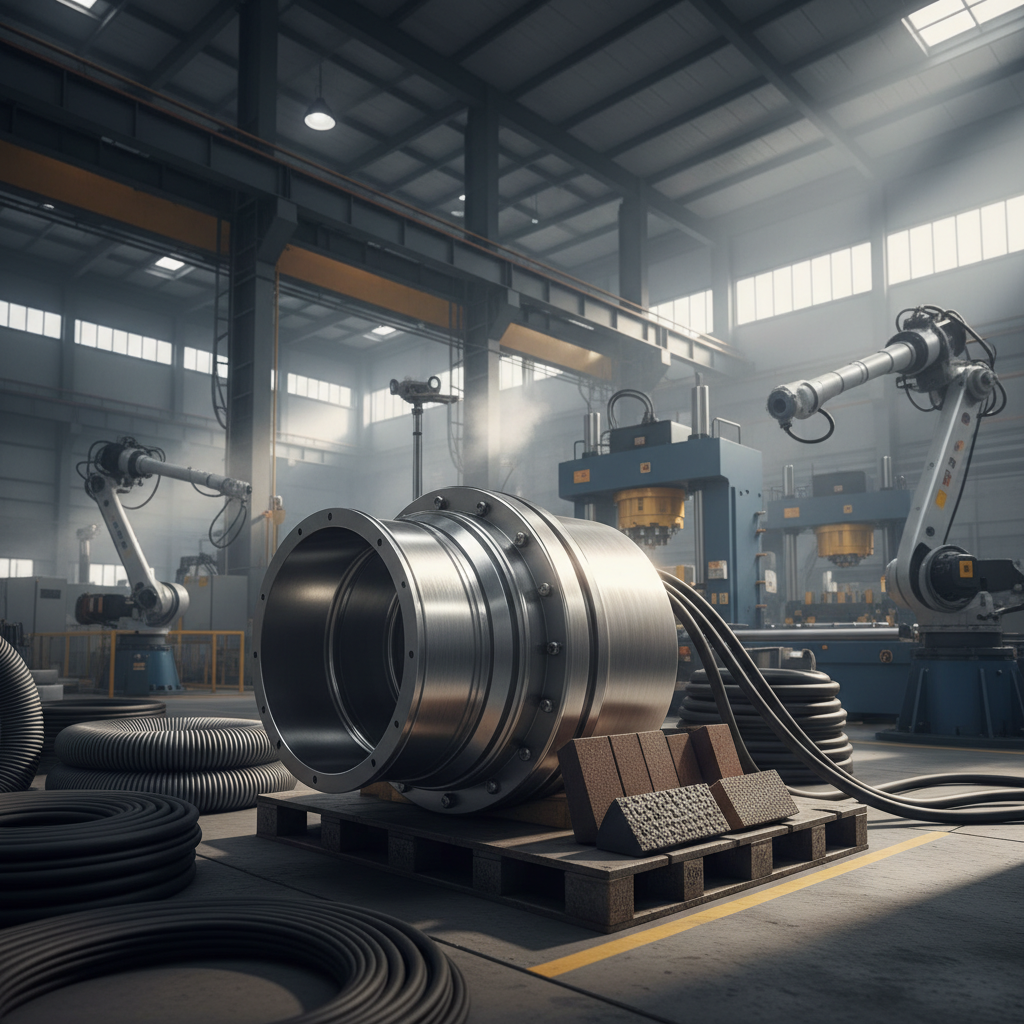
Material Grades for Every Environment
Not all stainless steel is created equal. The performance of a stainless steel pipe cap varies significantly based on the alloy used. For general-purpose applications, Grade 304 is the industry standard due to its excellent balance of cost and corrosion resistance. However, for more aggressive environments—such as saltwater exposure or high-chloride chemical processing—Grade 316 is preferred. The addition of molybdenum in Grade 316 provides superior resistance to pitting and crevice corrosion, ensuring the seal remains intact under extreme pressure and temperature fluctuations.
Pro Tip: Always verify the chemical composition of your capping components to match the fluid being transported. Using 304 where 316 is required can lead to premature failure and costly system downtime.
Technical Specifications of Stainless Steel Pipe Caps
Precision is everything when it comes to sealing a pipeline. A high-quality stainless steel pipe cap must adhere to strict dimensional standards (such as ASME or DIN) to ensure a leak-proof fit. The wall thickness, known as the "schedule," determines the pressure rating of the cap. Thicker walls allow the system to withstand higher internal pressures without deformation. Below is a detailed specification table for common industry sizes.
Installation Methods for Pipe Capping
Depending on whether the pipeline needs to be permanently sealed or temporarily closed for maintenance, different installation methods are used for a stainless steel pipe cap. Welding is the most secure method, providing a permanent, leak-proof joint that can withstand extreme pressure. For systems requiring flexibility, threaded caps are used, allowing for easy removal and re-installation. The choice of method directly impacts the system's longevity and the ease of future repairs. Ensuring the edges are properly beveled and cleaned before welding is crucial to avoid porosity and leaks.
Comparing Stainless Steel vs. Carbon Steel Caps
When designing a piping system, engineers often debate between using a stainless steel pipe cap and a carbon steel alternative. While carbon steel is more cost-effective for non-corrosive environments, stainless steel is the only viable option for sanitary or chemically volatile systems. Stainless steel forms a passive chromium oxide layer that prevents rust, whereas carbon steel requires frequent painting or coating to avoid oxidation. For any project involving potable water, pharmaceuticals, or food, stainless steel is non-negotiable for hygiene and safety compliance.
Why Choose Stainless Steel?
• Superior corrosion resistance in acidic environments
• Higher temperature tolerance and stability
• Eliminates the need for external anti-rust coatings
• Meets strict FDA and sanitary industry standards
Industry Applications of Pipe Capping Solutions
The versatility of the stainless steel pipe cap makes it essential across various sectors. In the pharmaceutical industry, these caps ensure that sterile lines remain uncontaminated during shutdowns. In the oil and gas sector, they are used to seal off redundant lines or protect open pipes during construction to prevent debris from entering. Even in architectural design, stainless steel caps provide a clean, polished finish to exposed piping. The ability to withstand extreme pressures and temperatures ensures that safety is never compromised, regardless of the application.
Conclusion: Ensuring System Integrity with Quality Caps
Investing in a high-quality stainless steel pipe cap is more than just a procurement choice; it is a safety decision. By selecting the correct material grade and adhering to precise technical specifications, companies can significantly reduce the risk of leaks, corrosion, and unplanned system failures. Whether your priority is corrosion resistance, pressure tolerance, or sanitary compliance, the right capping solution ensures your infrastructure remains robust for decades. Choose quality, choose durability, and secure your systems today.
Frequently Asked Questions (FAQs)
What is the difference between a pipe cap and a pipe plug?
While both serve the purpose of closing a pipe, their design is different. A pipe cap fits over the end of the pipe, enclosing the entire circumference, which generally provides a stronger seal for high-pressure systems. A plug, on the other hand, fits inside the pipe. For most industrial applications where maximum security and leak prevention are required, a stainless steel pipe cap is the preferred choice due to its superior structural support.
How do I choose between SS304 and SS316 for my pipe caps?
The choice depends on your environment. SS304 is excellent for most indoor applications, food processing, and general water lines. However, if your system is exposed to chlorides (like seawater) or strong acids, SS316 is necessary. SS316 contains molybdenum, which prevents "pitting" (small holes caused by corrosion). If your budget allows and the environment is harsh, SS316 is the safer, long-term investment for any stainless steel pipe cap installation.
Can a stainless steel pipe cap be reused after welding?
No, once a cap has been welded to a pipe, it cannot be reused without cutting it off, which typically damages the structural integrity of the cap. If you anticipate needing to open and close the line frequently, we recommend using threaded or flanged capping solutions. For permanent installations, welding provides the best seal, but it is a one-time application. Always ensure you have a plan for future maintenance before deciding on a permanent weld for your stainless steel pipe cap.
What standards should I look for when buying pipe caps?
You should look for certifications such as ASME B16.9 for butt-welding fittings or ASTM A403 for wrought stainless steel piping fittings. These standards ensure that the dimensions are precise and the material properties meet the required strength and corrosion resistance. Buying from a reputable supplier like FYGasket ensures that the products are tested and compliant with international industrial regulations.
-
Premium Durable Aluminum Post Caps 4x4 for Outdoor StructuresNewsApr.09,2026
-
Comprehensive Guide to Choosing the Right Sheet Metal Chimney Cap for Your HomeNewsApr.07,2026
-
Comprehensive Guide to Metal Pipe Caps Types Materials and ApplicationsNewsApr.04,2026
-
Comprehensive Guide to Metal Tube Caps for Industrial ApplicationsNewsMar.31,2026
-
Comprehensive Guide to Durable Galvanised Steel Capping SolutionsNewsMar.28,2026
-
Comprehensive Guide to Selecting the Right End Caps for Metal Tubing ApplicationsNewsMar.26,2026
-
Enhance Your Outdoor Space with Durable 2x2 Aluminum Post Cap LightsNewsMar.24,2026


- Mob: +86 0312-2911666/+86 0312-2911318
- Fax: 0312-2911511
- Email: rubber@hbfengye.com/
- Add: No. 228 North Street, Gaobeidian City, Hebei Province


