



Comprehensive Guide to Large Flat Metal Washers and Their Applications
Understanding Large Flat Metal Washers: A Comprehensive Guide
Large flat metal washers are essential components in a vast array of fastening applications, providing a secure and reliable connection between bolted joints. They distribute the load of a fastener, preventing damage to the joined materials and ensuring consistent clamping force. This article will delve into the different types, materials, applications, and critical considerations when selecting large flat metal washers, catering to both engineering professionals and those seeking a better understanding of these often-overlooked but crucial fasteners. Choosing the right washer can significantly impact the longevity and safety of your assemblies.
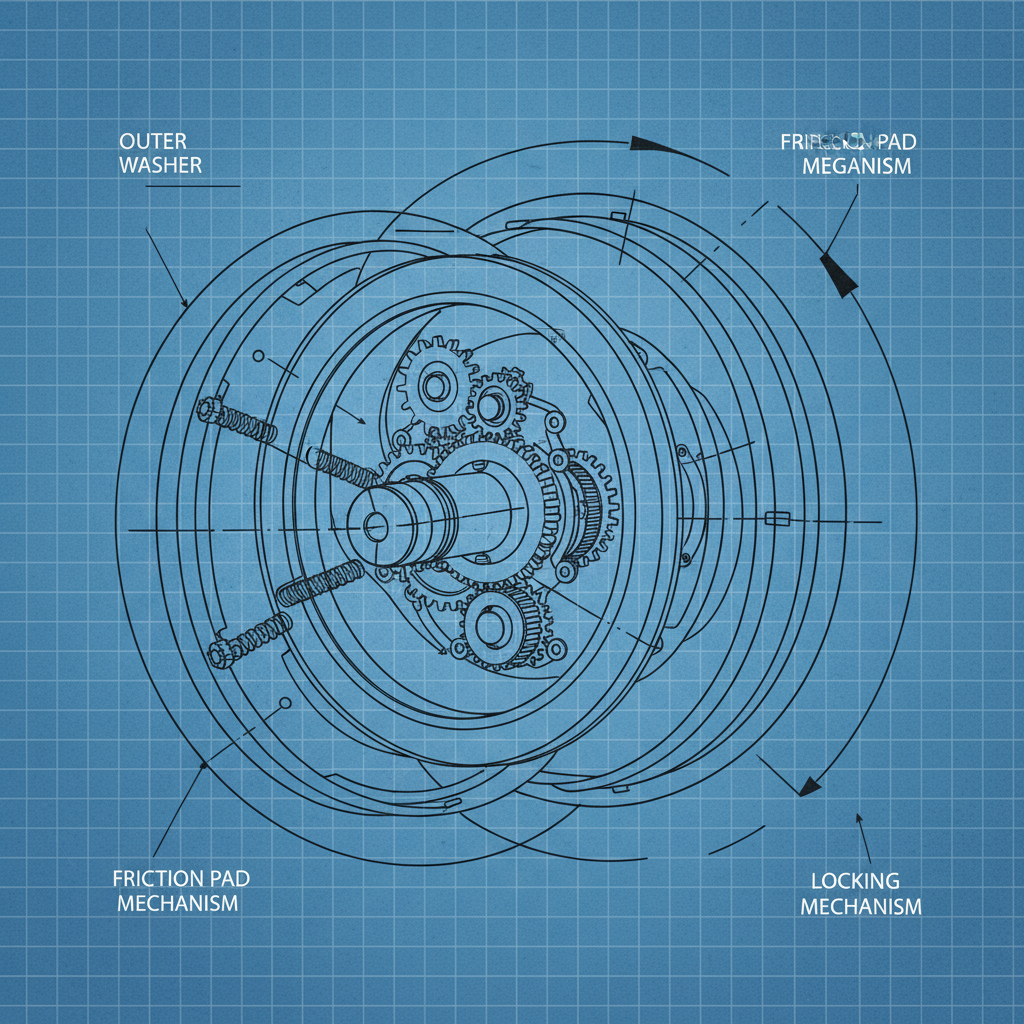
Types of Large Flat Metal Washers
Large flat metal washers come in several variations, each suited for specific applications. Common types include: standard flat washers (offering broad support), fender washers (providing a larger surface area for load distribution), and lock washers (designed to prevent loosening). The choice depends on the load, material compatibility, and desired level of vibration resistance. Understanding these differences is crucial for optimal performance. Different coatings, like zinc or stainless steel, can also enhance corrosion resistance.
Key Highlights: Diverse selection including standard, fender, and lock washers, each designed for specific load and vibration requirements.
Material Considerations for Large Flat Metal Washers
The material of a large flat metal washer significantly impacts its performance and suitability for a particular environment. Carbon steel is a common and cost-effective choice for general applications, but it’s prone to corrosion. Stainless steel offers superior corrosion resistance, making it ideal for outdoor or harsh environments. Other materials like aluminum, brass, and even specialized alloys are used for specific applications requiring unique properties like conductivity or non-magnetic characteristics. Selecting the right material is vital for longevity and reliability.
Material Benefits:
• Carbon Steel: Cost-effective for general use.
• Stainless Steel: Superior corrosion resistance.
• Aluminum: Lightweight, good conductivity.
• Brass: Corrosion resistance, electrical conductivity.
Selecting the Right Size for Your Application: Large Flat Metal Washers
Correct washer sizing is paramount for effective load distribution. The washer’s outer diameter should be significantly larger than the bolt diameter, and the inner diameter must accommodate the bolt shank. Using a washer that is too small will concentrate the load, potentially damaging the joined material. Conversely, an oversized washer may not sit flush, reducing clamping force. Careful consideration of these dimensions is crucial. Refer to engineering specifications and fastener charts for accurate sizing recommendations. You can find a variety of sizes at FYGasket.
Applications of Large Flat Metal Washers
Large flat metal washers find use in a broad spectrum of industries. In construction, they are integral to structural steel connections. Automotive manufacturing relies on them for securing chassis components. Machinery and equipment assembly utilize them for reliable joint fastening. Their versatility and affordability make them essential across countless applications. Properly selected washers contribute to the safety and long-term performance of critical systems.
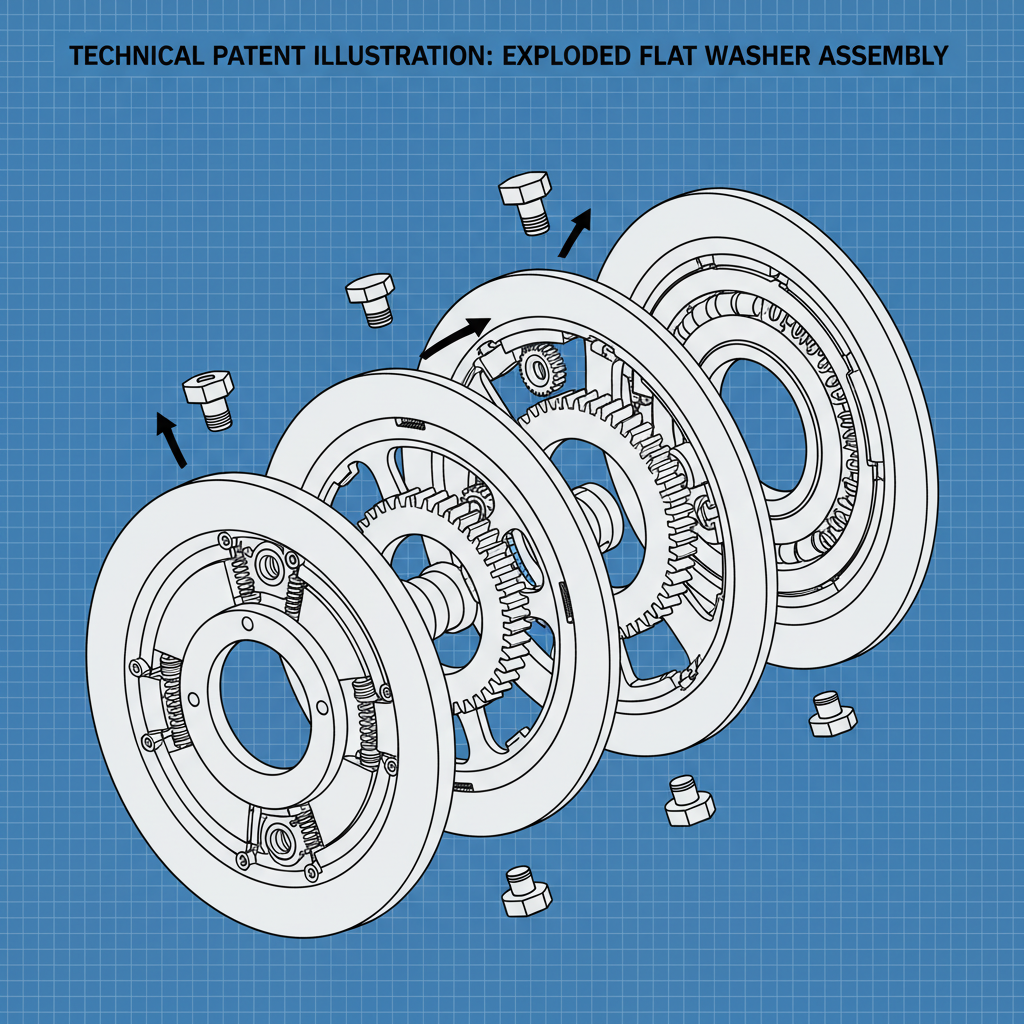
Quality Control and Standards for Large Flat Metal Washers
Ensuring quality is paramount when sourcing large flat metal washers. Reputable manufacturers adhere to industry standards such as ISO and ASTM, guaranteeing dimensional accuracy, material consistency, and mechanical properties. Look for certifications and test reports to verify compliance. Regular inspections during production and before installation are also crucial for identifying any defects. FYGasket prioritizes quality control throughout its manufacturing processes.
Conclusion: The Importance of Choosing the Right Washer
Selecting the correct large flat metal washer is critical for ensuring the integrity and longevity of bolted joints. Considering the type, material, size, and quality standards will contribute to a robust and reliable assembly. Investing in quality washers from a trusted supplier like FYGasket is a small price to pay for peace of mind and optimal performance.
Frequently Asked Questions (FAQs)
What is the primary function of a large flat metal washer?
The primary function of a large flat metal washer is to distribute the load of a bolted joint over a wider area, preventing damage to the connected materials. It also provides a consistent clamping force and helps to protect the surface from being marred by the bolt head or nut. Properly sized washers are crucial for the long-term integrity of any bolted assembly. Without a washer, the pressure from the fastener can deform the material, leading to joint failure.
Are large flat metal washers necessary for all bolted connections?
While not always strictly necessary, large flat metal washers are highly recommended for most bolted connections, especially those subjected to high loads, vibration, or harsh environments. They are particularly important when using softer materials that are prone to deformation. Even in seemingly simple applications, a washer can significantly extend the life and reliability of the connection.
How do I determine the correct thickness for a washer?
Determining the correct washer thickness depends on the application's specific requirements. Generally, a thicker washer provides better load distribution and is more suitable for high-load applications. However, excessive thickness can reduce clamping force. Consult engineering guidelines or fastener charts for recommendations based on the bolt size, material, and expected load. It’s essential to ensure the washer doesn't significantly protrude or interfere with the joined components.
What is the difference between a flat washer and a lock washer?
A flat washer, as discussed, primarily distributes load. A lock washer is designed to prevent loosening of the bolted connection, often through friction or a spring mechanism. Common lock washer types include split lock washers, tooth lock washers, and nylon insert lock washers. While a flat washer provides support, a lock washer adds a layer of security against vibration and movement, ensuring the joint remains tight over time.
-
Guide to Choosing a High Quality Stainless Steel Pipe CapNewsApr.16,2026
-
Premium Durable Aluminum Post Caps 4x4 for Outdoor StructuresNewsApr.09,2026
-
Comprehensive Guide to Choosing the Right Sheet Metal Chimney Cap for Your HomeNewsApr.07,2026
-
Comprehensive Guide to Metal Pipe Caps Types Materials and ApplicationsNewsApr.04,2026
-
Comprehensive Guide to Metal Tube Caps for Industrial ApplicationsNewsMar.31,2026
-
Comprehensive Guide to Durable Galvanised Steel Capping SolutionsNewsMar.28,2026
-
Comprehensive Guide to Selecting the Right End Caps for Metal Tubing ApplicationsNewsMar.26,2026


- Mob: +86 0312-2911666/+86 0312-2911318
- Fax: 0312-2911511
- Email: rubber@hbfengye.com/
- Add: No. 228 North Street, Gaobeidian City, Hebei Province


