



Comprehensive Guide to Large Diameter Steel Washers and Their Applications
Large Diameter Steel Washers: A Comprehensive Guide
When undertaking projects requiring robust fastening solutions, large diameter steel washers are often an essential component. These washers distribute load, prevent damage to surfaces, and ensure secure connections in various industrial applications. This article provides an in-depth look at large diameter steel washers, covering their types, applications, material considerations, and how to choose the right washer for your specific needs. Understanding these elements is crucial for maximizing the effectiveness and longevity of your projects.
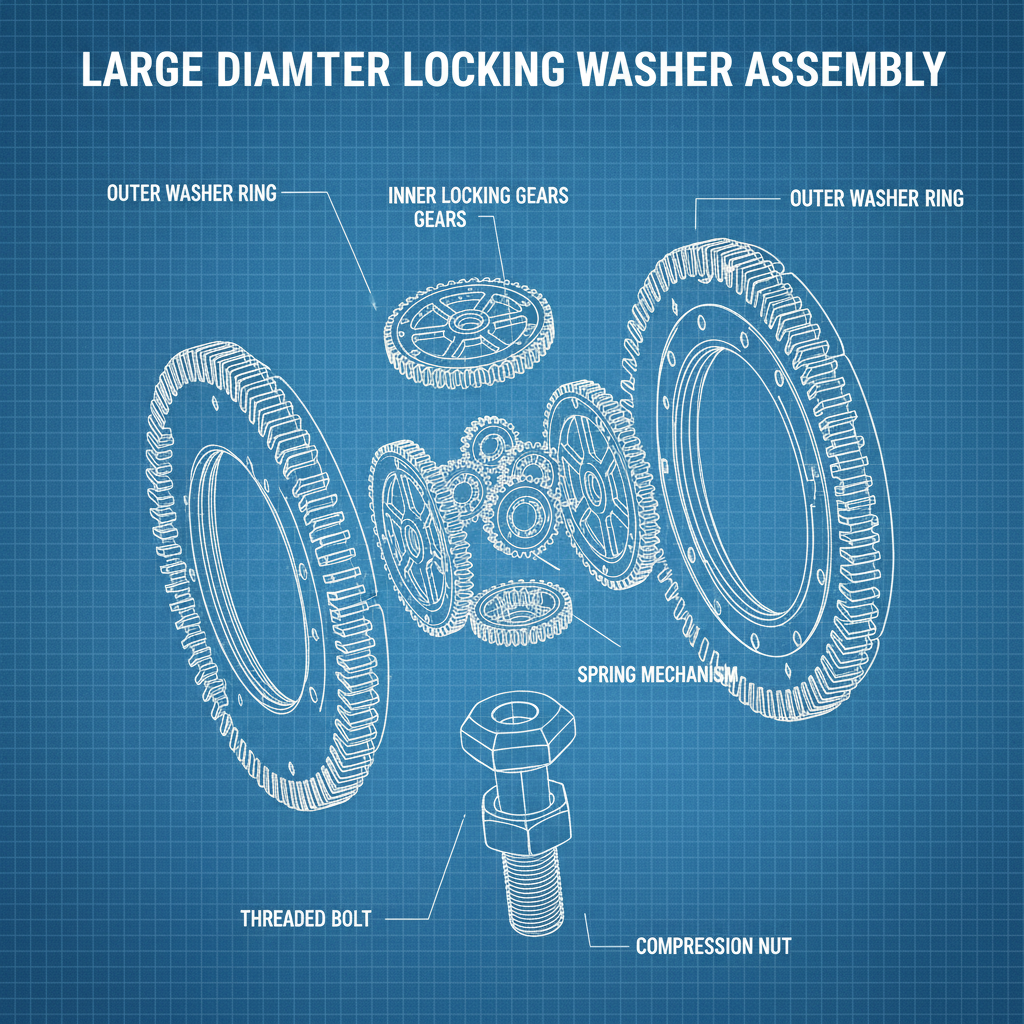
Understanding Large Diameter Steel Washers
Large diameter steel washers are characterized by their outer diameter, which typically exceeds standard washer sizes. They're used when a larger bearing surface is required, often in applications involving soft materials or large loads. The increased surface area helps prevent the fastener from sinking into the material, providing a more stable and secure connection. These washers come in various shapes, including flat, lock, and countersunk, each designed for specific applications. Choosing the correct type of steel washer is vital for the success of any project.
Key Benefits: Distribute load to prevent damage, provide a larger bearing surface, and ensure secure connections in various industrial applications.
Types of Large Diameter Steel Washers
Several types of large diameter steel washers cater to diverse needs. Flat washers provide a broader bearing surface. Lock washers, such as split lock washers or tooth lock washers, add resistance to loosening due to vibration. Countersunk washers are designed to sit flush with the surface. Choosing the correct type depends on the application’s specific requirements. For example, in applications prone to vibration, a lock washer is crucial. Understanding the differences between these types ensures optimal performance and long-term reliability.
Washer Type Benefits:
• Flat Washers: Increased bearing surface.
• Lock Washers: Prevent loosening due to vibration.
• Countersunk Washers: Flush surface finish.
Material Considerations for Large Diameter Steel Washers
The material of a large diameter steel washer is critical for its performance and durability. Common materials include carbon steel, stainless steel (304, 316), and alloy steel. Carbon steel offers excellent strength and affordability but is susceptible to corrosion. Stainless steel provides superior corrosion resistance, making it ideal for outdoor or harsh environments. Alloy steel offers a balance of strength and corrosion resistance. Selecting the right material depends on the operating environment and the load requirements. FY Gasket offers a variety of material options to meet your specific application needs.
Applications of Large Diameter Steel Washers
Large diameter steel washers find applications across numerous industries. In construction, they are used in structural connections and heavy machinery mounting. Automotive applications include wheel mounting and suspension systems. Renewable energy projects utilize them in wind turbine towers and solar panel installations. Furthermore, they are crucial in pipeline construction and oil and gas infrastructure. These versatile components play a vital role in ensuring the safety and reliability of diverse projects.
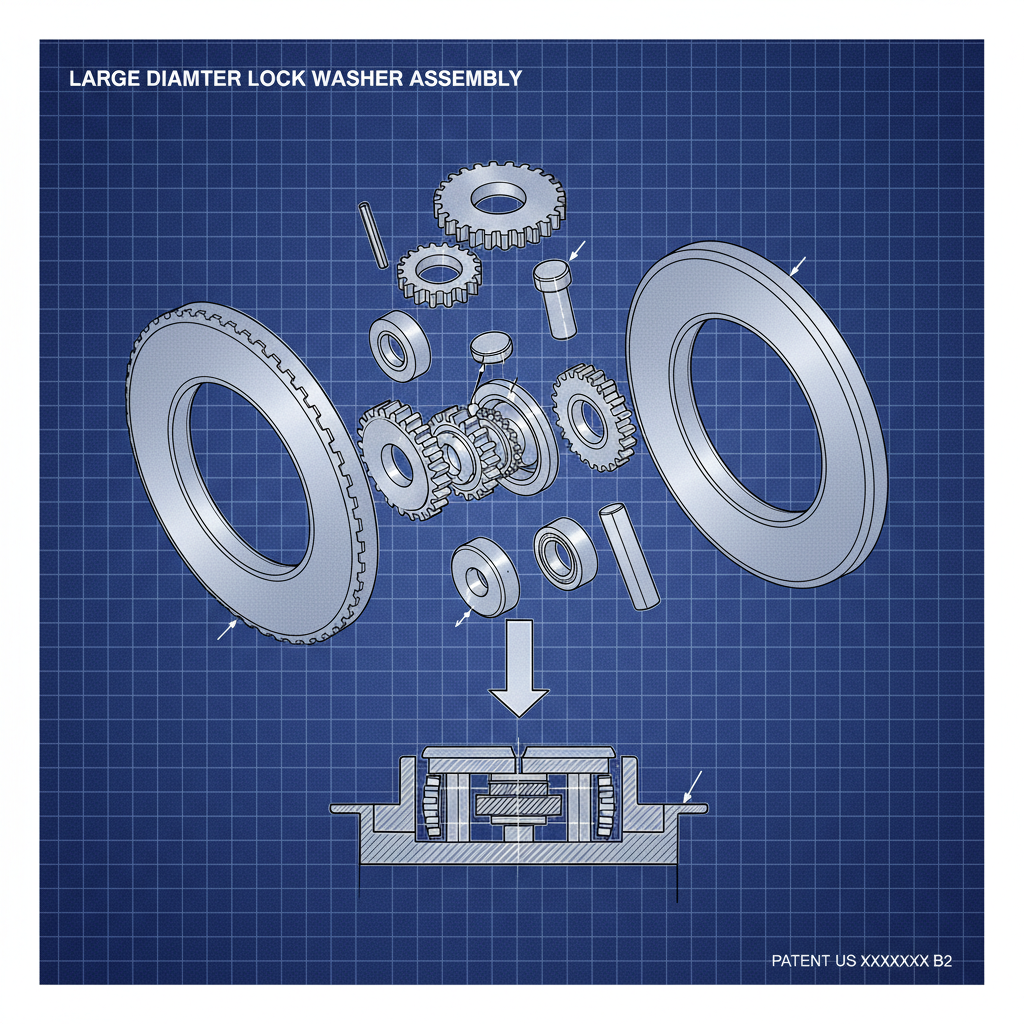
Choosing the Right Large Diameter Steel Washer
Selecting the correct large diameter steel washer involves considering several factors: the load requirements, the material compatibility with the surrounding components, the environmental conditions, and the type of connection. Consulting with an experienced fastener supplier like FY Gasket can provide valuable insights and ensure you choose the optimal washer for your specific application. Proper selection guarantees a secure, reliable, and long-lasting connection.
Conclusion: Investing in Quality Steel Washers
Choosing the right large diameter steel washer is a critical step in ensuring the reliability and longevity of your projects. By understanding the different types, materials, and applications, you can make informed decisions that lead to secure and durable connections. FY Gasket provides high-quality steel washers to meet your diverse needs.
Frequently Asked Questions (FAQs)
What is the standard tolerance for large diameter steel washers?
The standard tolerance for large diameter steel washers varies depending on the specific application and the relevant industry standards. However, a common tolerance for the diameter is ±0.1mm to ±0.3mm, while the thickness tolerance is typically ±0.02mm to ±0.05mm. Precise tolerances are crucial for applications requiring tight fits and consistent performance. It’s always best to check the specifications provided by the manufacturer to ensure the washers meet your specific requirements. FY Gasket provides detailed specifications for all our products.
How do I prevent corrosion in carbon steel washers?
Corrosion in carbon steel washers can be mitigated through several methods. Applying a protective coating, such as zinc plating or galvanization, provides a barrier against moisture and corrosive elements. Using corrosion inhibitors in the surrounding environment can also help. For particularly harsh conditions, consider switching to stainless steel washers, which offer superior corrosion resistance. Regular inspection and maintenance are also crucial for identifying and addressing corrosion early on.
What size large diameter steel washer do I need?
Determining the appropriate size of a large diameter steel washer depends on several factors, including the bolt or screw size, the material being fastened, and the load distribution requirements. The washer’s outer diameter should be significantly larger than the bolt’s diameter to provide adequate bearing surface. Generally, a washer diameter 1.5 to 2 times the bolt diameter is a good starting point. Consulting with a fastener specialist, like those at FY Gasket, can help you select the optimal size for your specific application.
-
Guide to Choosing a High Quality Stainless Steel Pipe CapNewsApr.16,2026
-
Premium Durable Aluminum Post Caps 4x4 for Outdoor StructuresNewsApr.09,2026
-
Comprehensive Guide to Choosing the Right Sheet Metal Chimney Cap for Your HomeNewsApr.07,2026
-
Comprehensive Guide to Metal Pipe Caps Types Materials and ApplicationsNewsApr.04,2026
-
Comprehensive Guide to Metal Tube Caps for Industrial ApplicationsNewsMar.31,2026
-
Comprehensive Guide to Durable Galvanised Steel Capping SolutionsNewsMar.28,2026
-
Comprehensive Guide to Selecting the Right End Caps for Metal Tubing ApplicationsNewsMar.26,2026


- Mob: +86 0312-2911666/+86 0312-2911318
- Fax: 0312-2911511
- Email: rubber@hbfengye.com/
- Add: No. 228 North Street, Gaobeidian City, Hebei Province


