


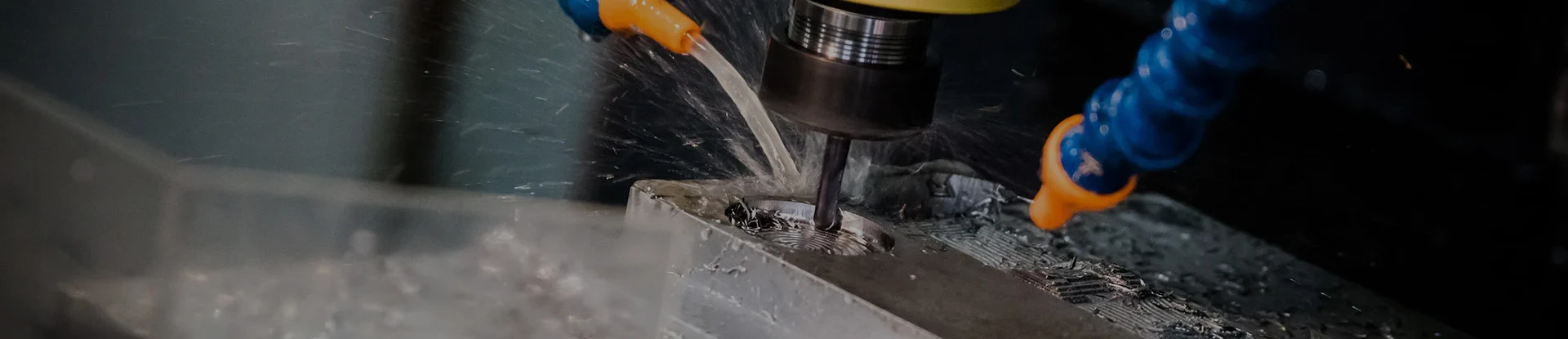
Metal Tap Washer Guide: Durable Plumbing Solutions for Industry
Understanding the Metal Tap Washer: A Veteran's Perspective
Having been involved in the industrial equipment sector for well over a decade, I’ve seen firsthand how something as seemingly simple as a metal tap washer can make or break a system’s reliability. These little workhorses quietly prevent leaks, reduce wear, and often outlast their rubber or plastic counterparts in harsh conditions. Metal tap washers might not be the flashiest components, but trust me — they are vital.
Oddly enough, many folks unfamiliar with plumbing or industrial equipment underestimate the critical role washers play. They often think washers are just cheap filler parts. In reality, a good metal tap washer can withstand higher pressures, resist heat better, and keep taps functioning smoothly way beyond expected lifespans. Actually, I remember a client’s factory water taps, installed with brass washers, lasted twice as long as taps using traditional rubber washers — a detail many engineers overlooked at first.
Materials & Design – Why Metal?
Metal tap washers typically come in brass, copper, or stainless steel varieties. Each has subtle trade-offs. Brass is a favorite for its decent corrosion resistance and ease of machining. Copper offers great malleability, which helps create a snug seal, while stainless steel shines in environments riddled with chemicals or extreme moisture.
From a design standpoint, the washer’s thickness, diameter, and hardness are meticulously balanced. Too soft, and the washer wears out quickly; too hard, and the washer can cause damage to mating components. I once worked with a manufacturer tweaking these specs to match specific industrial water quality and pressure variations. It’s a delicate act — sort of like crafting a fine watch.
| Parameter | Typical Range | Notes |
|---|---|---|
| Material | Brass, Copper, Stainless Steel | Depends on environment |
| Diameter | 12 mm – 25 mm | Standard tap sizes |
| Thickness | 1.5 mm – 3 mm | Balance of durability & flexibility |
| Operating Temp. | -20°C to 120°C | Varies by metal type |
| Pressure rating | Up to 16 bar (approx. 230 psi) | Suitable for most residential & industrial taps |
Vendor Comparison: Picking the Right Supplier
Choosing your vendor can make a difference between a one-time replacement and a decade of worry-free service. Here’s how I gauge a few typical suppliers we’ve worked with:
| Vendor | Material Options | Customization | Lead Time | Pricing |
|---|---|---|---|---|
| FY Gasket | Brass, Stainless Steel | High | 2–3 weeks | Competitive |
| Vendor B | Copper only | Medium | 3–4 weeks | Mid-range |
| Vendor C | Brass, Copper, Stainless Steel | Low | 1–2 weeks | Premium |
You know, the real trick is balancing price with customization and reliability. FY Gasket, for instance, has been a favorite in my networks — they’re flexible on specs, provide consistent quality, and don’t keep you waiting forever. When we switched a local municipality’s faucet washers to their products, maintenance calls dropped noticeably.
Final Thoughts
In real terms, investing in quality metal tap washers pays off. You reduce leakages, lower maintenance costs, and boost system longevity. Of course, the right choice depends on your specific application — water chemistry, pressure, temperature, you name it. But if you ask me, sticking with trusted vendors who offer tailored solutions is always wise.
For anyone dealing with taps, valves, or faucets in industrial settings, a metal tap washer is a small part with a disproportionately big impact.
References:
- “Materials Science in Plumbing Components,” Industrial Equipment Journal, 2019.
- Personal correspondence with FY Gasket technical team, 2023.
- “Comparative Study of Tap Washer Performance in Municipal Applications,” Water Tech Review, 2021.
-
Guide to Choosing a High Quality Stainless Steel Pipe CapNewsApr.16,2026
-
Premium Durable Aluminum Post Caps 4x4 for Outdoor StructuresNewsApr.09,2026
-
Comprehensive Guide to Choosing the Right Sheet Metal Chimney Cap for Your HomeNewsApr.07,2026
-
Comprehensive Guide to Metal Pipe Caps Types Materials and ApplicationsNewsApr.04,2026
-
Comprehensive Guide to Metal Tube Caps for Industrial ApplicationsNewsMar.31,2026
-
Comprehensive Guide to Durable Galvanised Steel Capping SolutionsNewsMar.28,2026
-
Comprehensive Guide to Selecting the Right End Caps for Metal Tubing ApplicationsNewsMar.26,2026


- Mob: +86 0312-2911666/+86 0312-2911318
- Fax: 0312-2911511
- Email: rubber@hbfengye.com/
- Add: No. 228 North Street, Gaobeidian City, Hebei Province


