


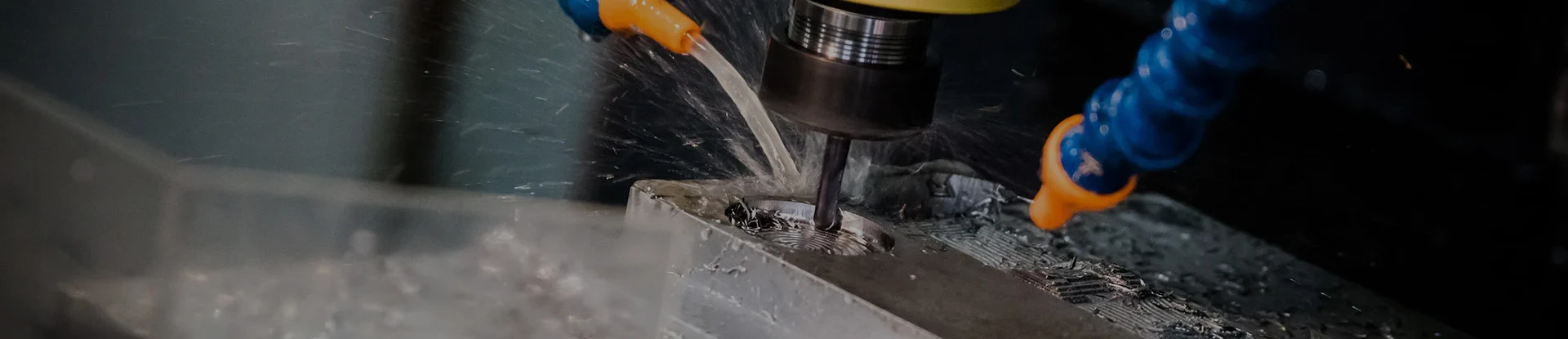
Metal Fixing Washers: Essential Components for Industrial Equipment
Understanding Metal Fixing Washers: The Unsung Heroes of Industrial Equipment
Having spent over a decade in the industrial equipment world, I’ve come to appreciate the little things—those small, often overlooked components that quietly do their job, year in and year out. Metal fixing washers are one such element. You rarely get front-row credit, but they hold things together, literally. Now, before you think a washer is just a simple ring of metal, there’s quite a bit more nuance to it than meets the eye.
In real terms, metal fixing washers serve crucial functions like load distribution, vibration reduction, and surface protection for bolted joints. Oddly enough, many engineers I’ve worked with underestimate their impact, yet in rugged or high-stress environments, a good washer can mean the difference between a secure fixture and a costly failure.
Let me take a second here to talk materials, because honestly, it's a big factor. Most fixing washers you see are made from carbon steel or stainless steel—but you also find variants in alloy steel or even copper-based metals for specific corrosion-resistance needs. I recall a plant I worked at where they swapped standard washers for high-grade stainless, and the reduction in maintenance downtime was noticeable. It feels like that simple change paid for itself quickly.
| Specification | Details |
|---|---|
| Material | Carbon Steel, Stainless Steel, Alloy Steel |
| Diameter Range | 5 mm – 50 mm (customizable) |
| Thickness | 1 mm – 5 mm |
| Finish | Zinc-plated, Black oxide, Plain |
| Standards | DIN 125, ISO 7089 |
In terms of design, you’ll typically spot flat washers and spring (or lock) washers. Flat washers spread the load bearing over a wider surface area, minimizing the risk of material deformation. Meanwhile, spring washers add tension to keep nuts and bolts from loosening due to vibrations—pretty handy in heavy machinery or automotive applications.
Speaking of vibration, I remember a customer once approached us with an issue in a conveyor system – frequent bolt loosening that disrupted the workflow. The fix was straightforward: replacing standard washers with serrated locking washers. Simple, yet effective.
| Vendor | Materials Offered | Customization | Typical Lead Time | Price Range |
|---|---|---|---|---|
| FY Gasket | Carbon, Stainless, Alloy Steel | Full range of sizes and finishes | 2-3 weeks | Competitive, volume discounts |
| Industrial Washers Co. | Carbon Steel, Zinc Plated | Standard sizes only | 1-2 weeks | Mid-tier |
| MetalFast Supplies | Mostly Stainless, Alloy | Custom machining available | 3-4 weeks | Premium pricing |
When sourcing washers, I always advise thinking beyond price. Quality and material compatibility can save you a lot of headaches down the line. Frankly, a cheap washer might corrode faster or deform under load. It’s worth checking the specs and asking for samples if you can.
It’s also interesting how customization has become more mainstream — many vendors now offer tailored thicknesses or coatings based on specific applications. Manufacturing tolerances are tighter, too; these improvements reflect the sector’s maturity.
The bottom line? Metal fixing washers may be small and simple but selecting the right ones is a thoughtful process. Over the years, I’ve realized that investing time in the right choice keeps the larger system reliable — and that, in the industrial gear biz, reliability often trumps flashiness.
“Keep your washers in check, and your equipment won’t slip.”
References:
- DIN 125 and ISO 7089 Standards Documentation
- FY Gasket Product Catalog, 2023 Edition
- Industrial Maintenance Best Practices, Journal of Manufacturing Engineering, 2021
-
Guide to Choosing a High Quality Stainless Steel Pipe CapNewsApr.16,2026
-
Premium Durable Aluminum Post Caps 4x4 for Outdoor StructuresNewsApr.09,2026
-
Comprehensive Guide to Choosing the Right Sheet Metal Chimney Cap for Your HomeNewsApr.07,2026
-
Comprehensive Guide to Metal Pipe Caps Types Materials and ApplicationsNewsApr.04,2026
-
Comprehensive Guide to Metal Tube Caps for Industrial ApplicationsNewsMar.31,2026
-
Comprehensive Guide to Durable Galvanised Steel Capping SolutionsNewsMar.28,2026
-
Comprehensive Guide to Selecting the Right End Caps for Metal Tubing ApplicationsNewsMar.26,2026


- Mob: +86 0312-2911666/+86 0312-2911318
- Fax: 0312-2911511
- Email: rubber@hbfengye.com/
- Add: No. 228 North Street, Gaobeidian City, Hebei Province


