


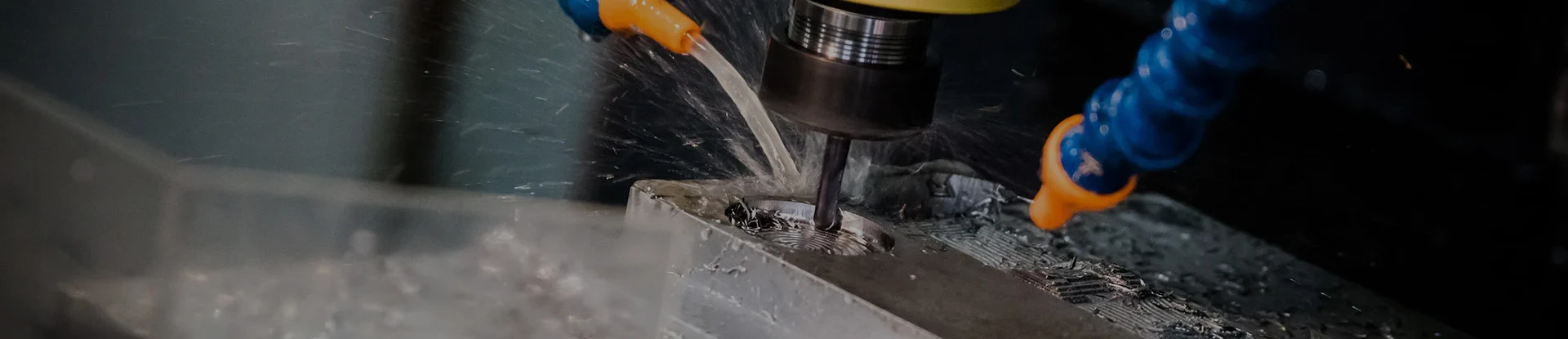
Cast Iron Machine Parts: Durable Solutions for Modern Industry and Infrastructure
Understanding Cast Iron Machine Parts: Their Role and Relevance in Modern Industry
Cast iron machine parts might sound like a niche topic—hardly the everyday conversation starter—but I promise, these components are foundational pillars of modern manufacturing and infrastructure worldwide. These rugged parts underpin everything from heavy-duty engines to essential factory equipment, and their impact ripples across continents and industries. Knowing about these parts isn't just for engineers or metalworkers; it's about appreciating how a centuries-old material quietly powers billions in industry and infrastructure—making lives safer, economies stronger, and technology more reliable.
Why Cast Iron Machine Parts Matter Globally
Cast iron’s use in machine parts has a robust global footprint. According to data aggregated by the International Organization for Standardization (ISO), cast iron accounts for nearly 20% of global ferrous casting production. You find these parts everywhere: in industrial machines, automotive engines, water pumps, and even agricultural equipment. Why? Because cast iron offers excellent durability and heat resistance, making it essential to power plants, transport systems, and manufacturing plants from Asia’s sprawling factories to Europe’s advanced metalworking hubs.
Yet, the challenge lies in balancing cost efficiency with evolving sustainability expectations. Industries worldwide face tighter environmental regulations, and cast iron machine parts sit at the crossroads—prized for longevity but requiring responsible manufacture and recycling.
What Exactly Are Cast Iron Machine Parts?
Simply put, cast iron machine parts are components formed by pouring molten cast iron into molds where they harden into specific shapes. Cast iron itself is an iron alloy with 2–4% carbon, sometimes with varying amounts of silicon, manganese, and impurities, lending it its characteristic hardness and brittleness. Because of these properties, cast iron parts are frequently used for bearings, housings, valves, and engine blocks.
In a broader sense, these parts help industries build machines that withstand heavy loads and high temperatures, critical for everything from manufacturing to humanitarian supply chains (think: heavy machinery used during disaster recovery).
Core Factors Behind Cast Iron Machine Parts
Durability & Wear Resistance
The hallmark of cast iron parts is their resistance to wear and deformation. Compared to steel, cast iron is often preferred where surface hardness and compressive strength take precedence—such as in heavy machinery bearings or pump casings.
Thermal Stability
Cast iron’s ability to maintain shape and strength through temperature extremes makes it the backbone for engine blocks and heat exchangers. This thermal stability is critical for industrial environments, where machines often reach intense operating temperatures.
Cost Efficiency
Cast iron is generally less expensive to produce than steel alloys for similar-sized components. The ease of casting intricate shapes reduces machining time and costs, making it economically attractive for mass production.
Design Flexibility
Because cast iron can be molded into complex geometries, engineers can optimize machine parts for functionality and weight — a big plus in customizing parts for specific applications.
Corrosion Resistance
While not entirely corrosion-proof, certain cast iron grades (like ductile iron) provide good resistance to environmental wear, extending the useful life of components in harsh or wet environments.
Global Applications & Use Cases of Cast Iron Machine Parts
- Automotive Industry: Engine blocks, brake parts, and chassis components rely heavily on cast iron’s robustness.
- Water Treatment & Plumbing: Cast iron valves and pump housings operate reliably in water management systems globally.
- Heavy Machinery: Earth movers, industrial presses, and agricultural equipment utilize cast iron parts for their strength.
- Post-Disaster Recovery: In disaster-stricken zones, durable machine parts ensure that heavy equipment used for reconstruction keep running.
- Energy Sector: Power plants use cast iron components in turbines and generators because they handle heat and stress excellently.
Oddly enough, although cast iron is considered somewhat traditional, its applications are ubiquitously modern and vital.
Mini Takeaway:
Cast iron machine parts are versatile and crucial components across vital industries worldwide, balancing function, cost, and durability.
Advantages & Long-Term Value
To put it plainly, cast iron parts bring both tangible and intangible value. Their long lifespan reduces replacement frequency, lowering operational downtime and maintenance costs. I noticed many engineers rave about the “quiet operation” of cast iron parts compared to steel counterparts—vibration damping properties simply make equipment run smoother. This enhances safety and worker comfort, two often overlooked benefits.
From a sustainability angle, cast iron’s recyclability is a strong point: old parts often find new life as raw material, supporting circular economies. Plus, durability ties directly to social trust—machines that last mean infrastructures that don't fail, from transportation to clean water delivery.
Product Specifications Snapshot
| Specification | Range/Value | Remarks |
|---|---|---|
| Carbon Content | 2.0 – 4.5% | Defines hardness & brittleness |
| Tensile Strength | 150 – 400 MPa | Varies by cast iron type |
| Thermal Conductivity | 40 – 60 W/m·K | Effective heat dissipation |
| Density | 6.9 – 7.3 g/cm³ | Heavy but sturdy material |
Comparing Leading Cast Iron Machine Part Vendors
| Vendor | Material Quality | Customization | Price Range | Lead Time |
|---|---|---|---|---|
| FoundryPro | High (ASTM A48) | Full-range bespoke | $$$ (Premium) | 4–6 weeks |
| Global Castings | Medium (EN-GJL-250) | Limited options | $ (Economical) | 2–3 weeks |
| IronWorks Ltd. | High (ISO 1083) | Standard + Custom | $$ (Mid-tier) | 3–5 weeks |
Future Trends & Innovations in Cast Iron Machine Parts
Looking ahead, the cast iron sector is quietly embracing innovation. For example, technologies like additive manufacturing are being explored to combine cast iron with composites, improving strength-to-weight ratios. Environmentally, many foundries are shifting toward cleaner production processes following ISO 14000 standards to reduce emissions.
Digital design and simulation tools allow more precise casting molds, minimizing defects and waste. Plus, "smart" cast iron parts embedded with sensors—yeah, that’s already on the horizon—could monitor machine health in real-time, reducing downtime.
Challenges & Solutions
Of course, challenges remain. Cast iron’s brittleness means parts can crack under impact. Also, heavy weight limits some applications, especially where lightness is key. But on the plus side, manufacturers are increasingly applying ductile iron variants and optimized alloy mixes to overcome these downsides.
Moreover, advanced heat treatments improve toughness and machinability. Recycling cast iron scrap efficiently is another challenge, but modern sorting and remelt techniques continue to improve sustainability.
FAQs: Your Cast Iron Machine Parts Questions Answered
- Q1: How long can cast iron machine parts typically last in industrial use?
- A: With proper maintenance, cast iron parts often last decades. Their resistance to wear and thermal stability means they outlive many alternative materials, especially in heavy machinery applications.
- Q2: Are cast iron machine parts suitable for high-impact machinery?
- A: Traditional gray cast iron is brittle and less suited for impact-prone parts, but ductile iron variants offer enhanced toughness. Selecting the right alloy type and design is key.
- Q3: Can cast iron parts be customized for specific machine requirements?
- A: Absolutely. Casting allows for intricate shapes and sizes. Many vendors offer bespoke solutions adjusting material properties and geometry based on technical needs.
- Q4: How environmentally sustainable are cast iron machine parts?
- A: Cast iron is highly recyclable, and reuse reduces waste. Combined with improvements in cleaner manufacturing, many cast iron producers adhere to ISO environmental standards.
Conclusion
So, if you take one thing away here, it’s this: cast iron machine parts are more than just “old school” metal components. They’re a proven, durable, and evolving technology quietly enabling industries, economies, and societies worldwide. From heavy industry’s backbone to sustainability’s hopeful ally, these parts will keep turning the cogs for decades.
Interested in exploring high-quality cast iron machine parts? Visit our website to learn how modern cast iron solutions can support your projects.
Mini Final Thought:
Long-lasting, versatile, and evolving — cast iron machine parts are truly the quiet champions of industrial durability.
References:
-
Guide to Choosing a High Quality Stainless Steel Pipe CapNewsApr.16,2026
-
Premium Durable Aluminum Post Caps 4x4 for Outdoor StructuresNewsApr.09,2026
-
Comprehensive Guide to Choosing the Right Sheet Metal Chimney Cap for Your HomeNewsApr.07,2026
-
Comprehensive Guide to Metal Pipe Caps Types Materials and ApplicationsNewsApr.04,2026
-
Comprehensive Guide to Metal Tube Caps for Industrial ApplicationsNewsMar.31,2026
-
Comprehensive Guide to Durable Galvanised Steel Capping SolutionsNewsMar.28,2026
-
Comprehensive Guide to Selecting the Right End Caps for Metal Tubing ApplicationsNewsMar.26,2026


- Mob: +86 0312-2911666/+86 0312-2911318
- Fax: 0312-2911511
- Email: rubber@hbfengye.com/
- Add: No. 228 North Street, Gaobeidian City, Hebei Province


