Plastic hose connector types are essential components across a vast range of industries, from agriculture and irrigation to automotive and industrial fluid handling. Their primary function is to create secure, leak-proof connections between hoses and various fittings, enabling the efficient and safe transfer of liquids, gases, and granular materials. Understanding the nuances of these connectors – their materials, designs, and applications – is crucial for optimizing system performance, minimizing downtime, and ensuring operational safety. These connectors, often overlooked, are fundamental to modern infrastructure and manufacturing processes.
The global demand for plastic hose connector types is driven by several factors, including increasing industrialization, expanding agricultural activities, and growing infrastructure development in emerging economies. According to a report by Grand View Research, the global hose and hose fittings market size was valued at USD 56.2 billion in 2022 and is expected to grow at a compound annual growth rate (CAGR) of 4.5% from 2023 to 2030. This growth is particularly pronounced in Asia-Pacific, fueled by rapid urbanization and manufacturing expansion.
A significant challenge addressed by advancements in plastic hose connector types is the need for corrosion resistance, lightweight materials, and cost-effective solutions compared to traditional metal connectors. Effective connector design minimizes leaks, reduces maintenance requirements, and enhances the overall reliability of fluid transfer systems. Innovation in this area directly contributes to improved efficiency and sustainability across diverse sectors.
Introduction to plastic hose connector types
Plastic hose connector types represent a diverse array of fittings designed to join hoses securely, enabling the transfer of fluids or materials. They encompass a broad spectrum of materials – including PVC, polypropylene, nylon, and polyethylene – and configurations tailored to specific applications. The selection of the appropriate connector depends heavily on factors such as pressure requirements, temperature considerations, chemical compatibility, and the type of hose being used.
The increasing adoption of plastic hose connectors is driven by their advantages over traditional metal fittings, including lighter weight, corrosion resistance, and lower cost. These benefits are particularly important in applications where weight is a critical factor, such as aerospace or portable equipment, and in environments where corrosion is a concern, like marine or chemical processing facilities. plastic hose connector types are finding increasing relevance in these areas.
Defining Plastic Hose Connector Types
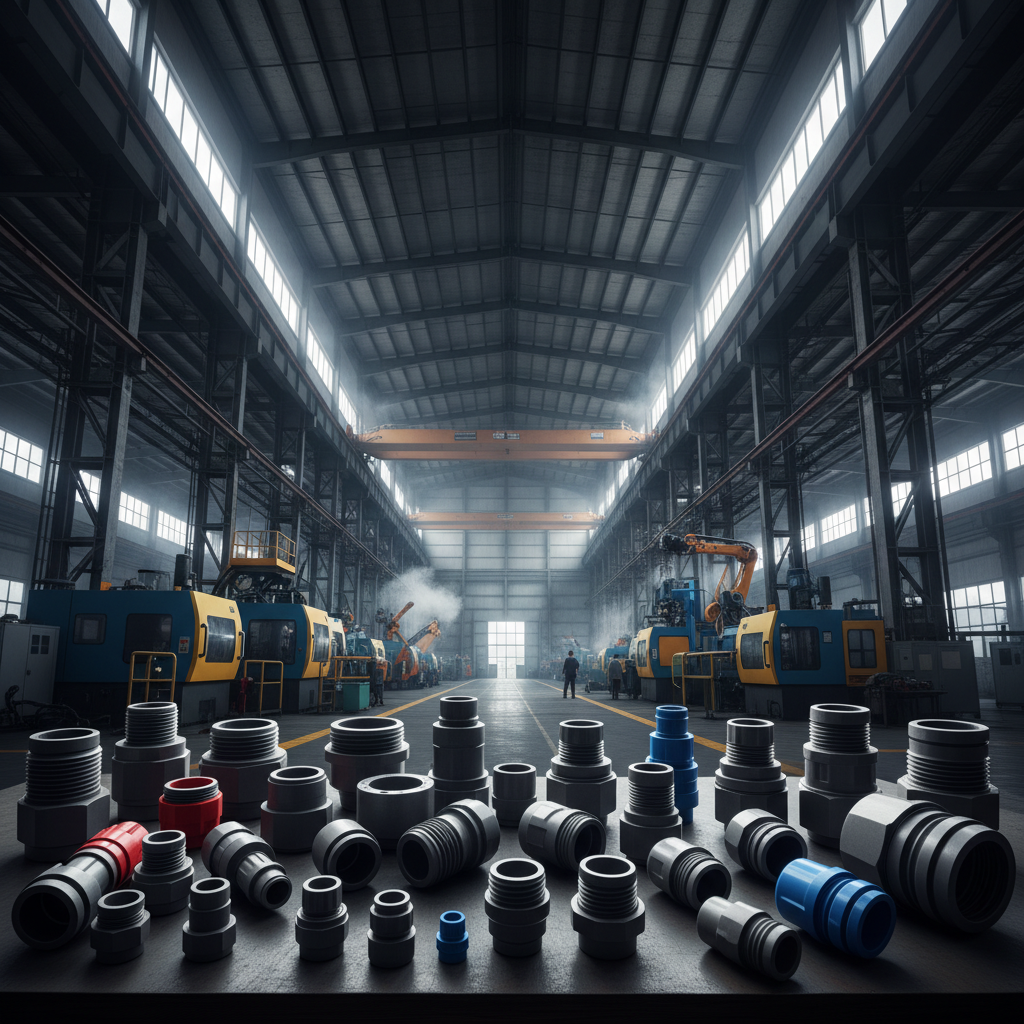
Plastic hose connector types are specialized fittings designed to facilitate the connection between a hose and another component, such as a pipe, valve, pump, or another hose. They are characterized by their use of polymeric materials, offering advantages like flexibility, chemical resistance, and ease of installation. These connectors come in a wide variety of styles, including threaded connectors, barbed connectors, quick-connect couplings, and flanged connectors, each suited to different applications and performance requirements.
These connectors play a vital role in modern industry, enabling efficient and reliable fluid transfer in sectors ranging from agriculture and irrigation to automotive and pharmaceutical manufacturing. They are also increasingly used in humanitarian applications, such as providing potable water in disaster relief efforts and establishing temporary medical facilities.
The core principle behind their design is to create a secure, leak-proof seal that can withstand the pressures and temperatures associated with the intended application. This is achieved through a combination of material selection, precise manufacturing tolerances, and appropriate sealing mechanisms.
Core Characteristics of plastic hose connector types
Durability is a key characteristic of effective plastic hose connector types. The ability to withstand repeated use, exposure to harsh environments, and potential mechanical stress is crucial for ensuring long-term reliability and minimizing downtime. Selecting the correct material – whether it’s the impact resistance of nylon or the chemical inertness of polypropylene – is paramount.
Cost-efficiency is another significant advantage. Compared to metal counterparts, plastic connectors typically require less expensive manufacturing processes, resulting in lower overall costs. This is particularly important for large-scale applications where minimizing expenses is a high priority. However, it's essential to balance cost with performance, ensuring that the chosen connector meets the required specifications.
Chemical resistance is crucial in many applications. Plastic materials can be selected to resist degradation from a wide range of chemicals, making them ideal for use in industries such as chemical processing, pharmaceuticals, and agriculture. This resistance prevents contamination and ensures the integrity of the fluid being transferred.
Practical Applications Across Industries
In agriculture and irrigation, plastic hose connectors are used extensively for connecting irrigation lines, sprinkler systems, and spray nozzles. Their corrosion resistance and affordability make them ideal for outdoor applications. They enable efficient water delivery, optimizing crop yields and conserving valuable resources.
The automotive industry utilizes plastic hose connectors for various fluid transfer applications, including coolant systems, fuel lines, and brake lines. Lightweight connectors contribute to vehicle fuel efficiency and reduce overall weight. The demand for high-performance plastic connectors is increasing with the rise of electric vehicles and advanced automotive technologies.
Performance Ratings of Different plastic hose connector types
Advantages and Long-Term Value Proposition
The most obvious advantage of utilizing plastic hose connector types is cost savings. Lower material and manufacturing costs translate into significant reductions in overall project expenses. This is particularly important for large-scale installations and ongoing maintenance budgets.
Sustainability is an increasingly important factor. Many plastic connectors are recyclable, reducing environmental impact compared to metal alternatives. Furthermore, the reduced weight of plastic components can lead to lower transportation costs and reduced energy consumption.
Future Trends in plastic hose connector types
The development of bio-based plastics is poised to revolutionize the industry, offering a sustainable alternative to traditional petroleum-based polymers. These materials are derived from renewable resources, reducing reliance on fossil fuels and minimizing carbon footprint. plastic hose connector types are adapting to utilize these advances.
Smart connectors, incorporating sensors and data analytics, are emerging as a promising trend. These intelligent fittings can monitor pressure, temperature, and flow rates, providing real-time insights into system performance and enabling predictive maintenance. Integration with IoT platforms will further enhance their capabilities.
Additive manufacturing (3D printing) is opening up new possibilities for creating custom-designed connectors tailored to specific applications. This technology allows for rapid prototyping and the production of complex geometries that are difficult or impossible to achieve with traditional manufacturing methods.
Challenges and Innovative Solutions
A primary challenge is the relatively lower temperature resistance of some plastic materials compared to metals. This limits their use in high-temperature applications. However, advancements in high-performance polymers, such as PEEK and PTFE, are expanding the range of temperature-resistant plastic connectors.
Another challenge is the potential for creep, or slow deformation under sustained stress, particularly in certain plastic materials. Careful material selection, optimized connector designs, and reinforced structures can mitigate this issue.
Ensuring long-term durability and resistance to UV degradation remains a concern for outdoor applications. The use of UV stabilizers and protective coatings can significantly extend the lifespan of plastic connectors exposed to sunlight.
Overview of Plastic Hose Connector Performance Characteristics
| Connector Material |
Pressure Rating (PSI) |
Temperature Range (°C) |
Chemical Resistance (1-10) |
| PVC |
300 |
0-60 |
7 |
| Polypropylene |
200 |
0-80 |
8 |
| Nylon |
400 |
-40-100 |
6 |
| Polyethylene |
150 |
-60-60 |
5 |
| PTFE |
250 |
-200-260 |
10 |
| PVDF |
350 |
-40-150 |
9 |
FAQS
PVC is generally more rigid and cost-effective, making it suitable for lower-pressure applications. Polypropylene offers better chemical resistance and flexibility, performing well in higher-temperature environments. The choice depends on the specific fluid being transferred and the operating conditions. Understanding the strengths of each material is essential for selecting the right plastic hose connector types.
Proper installation is critical. Ensure the hose is cut squarely and that the connector is fully inserted. Use appropriate clamps or tightening methods as recommended by the manufacturer. Applying a suitable sealant compatible with the hose and fluid can further enhance the seal. Inspect regularly for wear and tear and replace connectors as needed.
While some plastic connectors can handle moderate pressures, they are generally not recommended for extremely high-pressure systems. Materials like nylon and certain reinforced plastics offer higher pressure ratings, but metal connectors are typically preferred for the most demanding applications. Always check the connector's pressure rating before use.
The lifespan varies depending on factors like material, exposure to UV light, temperature fluctuations, and chemical exposure. Generally, plastic connectors can last for several years with proper care and maintenance. Regularly inspect for cracks, deformation, or discoloration, and replace any damaged connectors promptly.
Bio-based plastics offer a sustainable alternative to traditional petroleum-based materials, reducing environmental impact. They can be used to manufacture plastic hose connector types with comparable performance characteristics, but with a lower carbon footprint. While currently more expensive, costs are expected to decrease as production scales up.
Compatibility is key. Ensure the connector material is compatible with the hose material to prevent degradation or leakage. Barbed connectors are generally compatible with a wide range of hoses, while threaded connectors require precise matching of thread types. Always consult the manufacturer’s recommendations for specific hose and connector pairings.
Conclusion
In conclusion, plastic hose connector types are critical components underpinning a vast array of industries, offering a compelling blend of cost-effectiveness, durability, and chemical resistance. From agricultural irrigation to automotive applications, their versatility and adaptability make them essential for efficient fluid transfer systems. Understanding the nuances of different materials and connector designs is paramount for optimizing performance and ensuring long-term reliability.
Looking ahead, innovations in bio-based plastics, smart connectors, and additive manufacturing promise to further enhance the sustainability and functionality of plastic hose connectors. Continued research and development will be essential to address challenges related to temperature resistance and UV degradation. For further exploration of available plastic hose connector types and bespoke solutions, visit our website: www.fygasket.com