



Metal Wiper Seal: Durable Industrial Sealing Solutions | FY Gasket
Understanding the Metal Wiper Seal: Durability Meets Precision
Having spent a good chunk of my career around heavy machinery and industrial components, I’ve come to appreciate the often-overlooked heroes of equipment longevity — like the metal wiper seal. These little guys play such an essential role in keeping machines running smoothly, yet they rarely get the spotlight. If you’re in the seal game, you know that metal wiper seals are a trusted choice for tackling contamination and harsh environments with a no-nonsense approach.
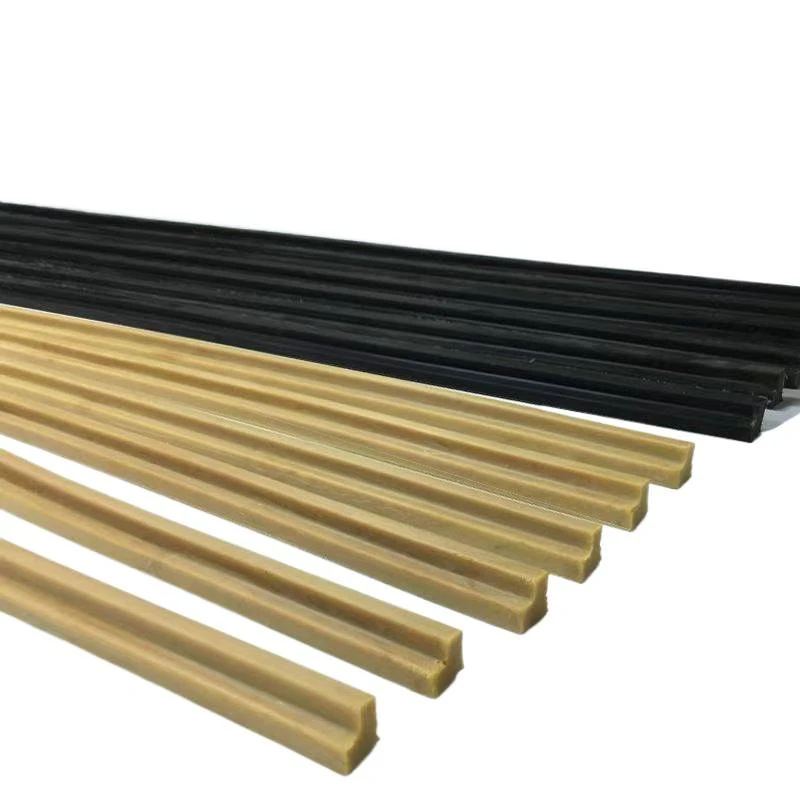
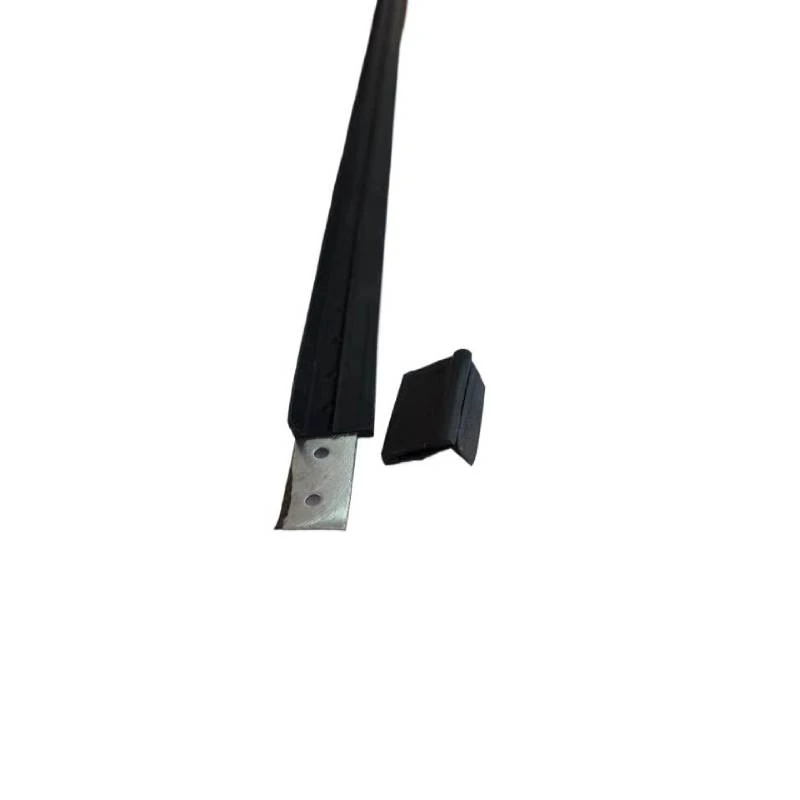
Now, what exactly sets a metal wiper seal apart from the usual rubber or polymer seals? For starters, it’s the combination of a robust metal casing structurally supporting the sealing lip, which is often made from PTFE or polyurethane. This design ensures it can scrape off dirt, dust, and other contaminants from the shaft surface before they sneak past and wreck havoc inside the equipment. It feels like these seals are the first line of defense — physically scraping away troublemakers before things escalate.
In real terms, these seals are often used in hydraulic cylinders, heavy equipment steering systems, and any application where contamination—and subsequent leakage—is a costly problem. I've seen them perform admirably even after thousands of hours in tough environments like construction sites and heavy fabrication plants, where grit and grime are daily nuisances.
| Parameter | Details |
|---|---|
| Material | Stainless Steel housing with PTFE/polyurethane lip |
| Operating Temperature | -30°C to +120°C (higher with special materials) |
| Pressure Range | Up to 10 MPa (varies by design) |
| Shaft Speed | Up to 6 m/s |
| Typical Applications | Hydraulic cylinders, construction, off-road vehicles |
Oddly enough, one of the best things about metal wiper seals is how customizable they are. It seems every manufacturer has their spin on the basic design — different lip geometries, metal thicknesses, coatings, or even the inclusion of spring-energized lips for extra sealing force. Many engineers I spoke with swear by going direct to vendors to tailor these seals because a one-size-fits-all often doesn’t cut it in complex applications.
Speaking of vendors, I’ve had some experience comparing suppliers over the years. The market has a few standout players, each bringing their own strengths to the table:
| Vendor | Customization | Delivery Time | Price Range | Quality Reliability |
|---|---|---|---|---|
| FY Gasket | High – tailored designs available | 2-3 weeks standard | Moderate | Excellent – ISO certified |
| SealTech Inc. | Medium – limited range | 1-2 weeks | High | Good – consistent |
| MetalSeal Solutions | Low – standard products only | 3-4 weeks | Low | Fair – requires checks |
One striking example I recall: a manufacturer running large hydraulic presses kept battling contamination-related failures until they switched to a custom-made metal wiper seal from FY Gasket. The seal’s enhanced scraping lip design made all the difference, reducing downtime significantly. It’s testimony to how these components aren’t merely off-the-shelf items but critical, engineered solutions.
Testing also can’t be overlooked. Most quality suppliers test for wear resistance, dimensional stability, and compatibility with lubricants and fluids. In my experience, seals that undergo this rigor last far longer — which everyone in the maintenance bay appreciates.
So, if you’re evaluating or upgrading your sealing solutions, keep this in mind: metal wiper seals offer a blend of robustness and adaptability that often outperforms simpler elastomeric options. Frankly, it feels like having both a shield and a scraper guarding your important shafts.
For anyone involved in keeping industrial equipment in top shape, knowing the strengths of a metal wiper seal can be a game-changer. That bit of knowledge might just save you from unexpected downtime, messy repairs, or costly replacements.
References:
- "Industrial Sealing Solutions," Hydraulic Engineering Journal, 2023.
- FY Gasket Product & Technical Data Sheets, 2024.
- Personal interviews with equipment engineers, 2022–2023.
-
Guide to Choosing a High Quality Stainless Steel Pipe CapNewsApr.16,2026
-
Premium Durable Aluminum Post Caps 4x4 for Outdoor StructuresNewsApr.09,2026
-
Comprehensive Guide to Choosing the Right Sheet Metal Chimney Cap for Your HomeNewsApr.07,2026
-
Comprehensive Guide to Metal Pipe Caps Types Materials and ApplicationsNewsApr.04,2026
-
Comprehensive Guide to Metal Tube Caps for Industrial ApplicationsNewsMar.31,2026
-
Comprehensive Guide to Durable Galvanised Steel Capping SolutionsNewsMar.28,2026
-
Comprehensive Guide to Selecting the Right End Caps for Metal Tubing ApplicationsNewsMar.26,2026


- Mob: +86 0312-2911666/+86 0312-2911318
- Fax: 0312-2911511
- Email: rubber@hbfengye.com/
- Add: No. 228 North Street, Gaobeidian City, Hebei Province


