



Comprehensive Guide to Stainless Steel Washers and Their Applications
Understanding Washers: A Comprehensive Guide to Stainless Steel (SS) Washers
Washers are crucial components in countless assemblies, distributing load, preventing damage, and ensuring secure fastening. When it comes to demanding applications, especially in corrosive environments, stainless steel (SS) washers are the preferred choice. This article will delve into the world of SS washers, exploring their types, benefits, applications, and crucial considerations for selecting the right washer for your needs. Understanding these seemingly small components can significantly impact the longevity and reliability of your projects.
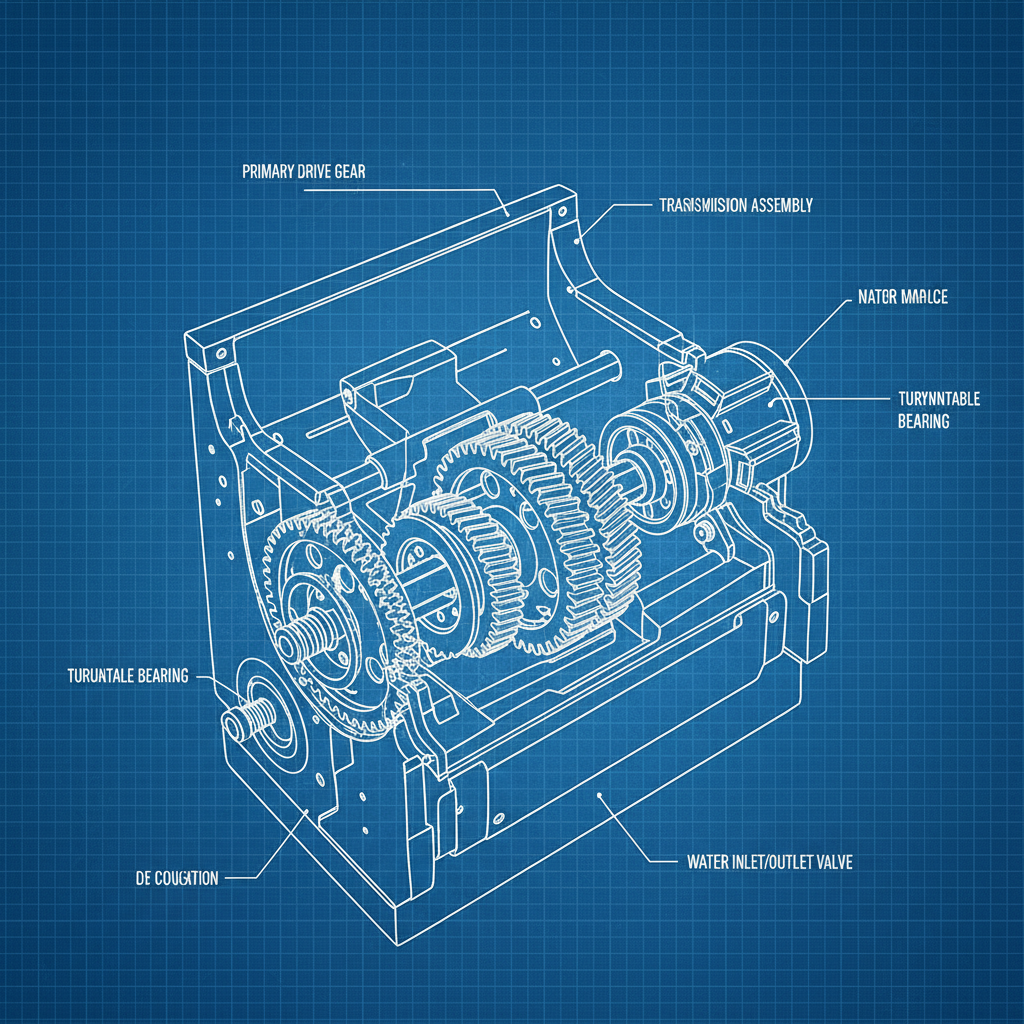
Why Choose Stainless Steel Washers?
Stainless steel washers offer a superior alternative to standard steel washers in a variety of applications. Their primary advantage lies in their exceptional corrosion resistance. Different grades of stainless steel provide varying levels of protection against rust, oxidation, and chemical attack. This makes them ideal for outdoor applications, marine environments, and industries handling corrosive materials. Beyond corrosion resistance, SS washers maintain their structural integrity under high temperatures and offer excellent durability. This translates to longer-lasting assemblies and reduced maintenance costs. Choosing SS washers from FY Gasket ensures high quality and reliability.
Key Benefits: Exceptional corrosion resistance, high durability, maintains integrity at high temperatures, and reduces maintenance costs.
Common Types of Stainless Steel Washers
Stainless steel washers come in a variety of types, each designed for specific applications. Some of the most common include flat washers, which distribute load; lock washers, which prevent loosening; fender washers, which provide a larger bearing surface; and split washers, which create a spring-like force to resist loosening. Selecting the correct type is crucial for ensuring a secure and reliable assembly. Understanding the purpose and characteristics of each washer type will help you make the best choice for your needs. FY Gasket offers a comprehensive range of stainless steel washer types.
Washer Type Breakdown:
• Flat Washers: Distribute load over a wider area.
• Lock Washers: Prevent loosening of fasteners.
• Fender Washers: Provide a larger bearing surface.
• Split Washers: Create spring tension to resist loosening.
Stainless Steel Grades: Choosing the Right Material
Not all stainless steel is created equal. Different grades offer varying levels of corrosion resistance and mechanical properties. Common grades include 304, 316, and 410. 304 stainless steel is a general-purpose grade offering good corrosion resistance, while 316 contains molybdenum, enhancing its resistance to chloride corrosion, making it ideal for marine environments. 410 is a martensitic grade offering higher strength but lower corrosion resistance. Selecting the appropriate grade depends on the specific application and environmental conditions. FY Gasket can assist you in choosing the right grade for your needs.
Applications of Stainless Steel Washers
The versatility of stainless steel washers makes them essential in a wide array of industries. These include marine applications, where corrosion is a significant concern; automotive manufacturing, where durability is paramount; the food and beverage industry, requiring hygienic materials; and construction, where washers provide secure and long-lasting fastening solutions. From protecting critical components in harsh environments to ensuring the reliability of everyday assemblies, SS washers play a vital role. FY Gasket supplies washers for diverse industrial needs.
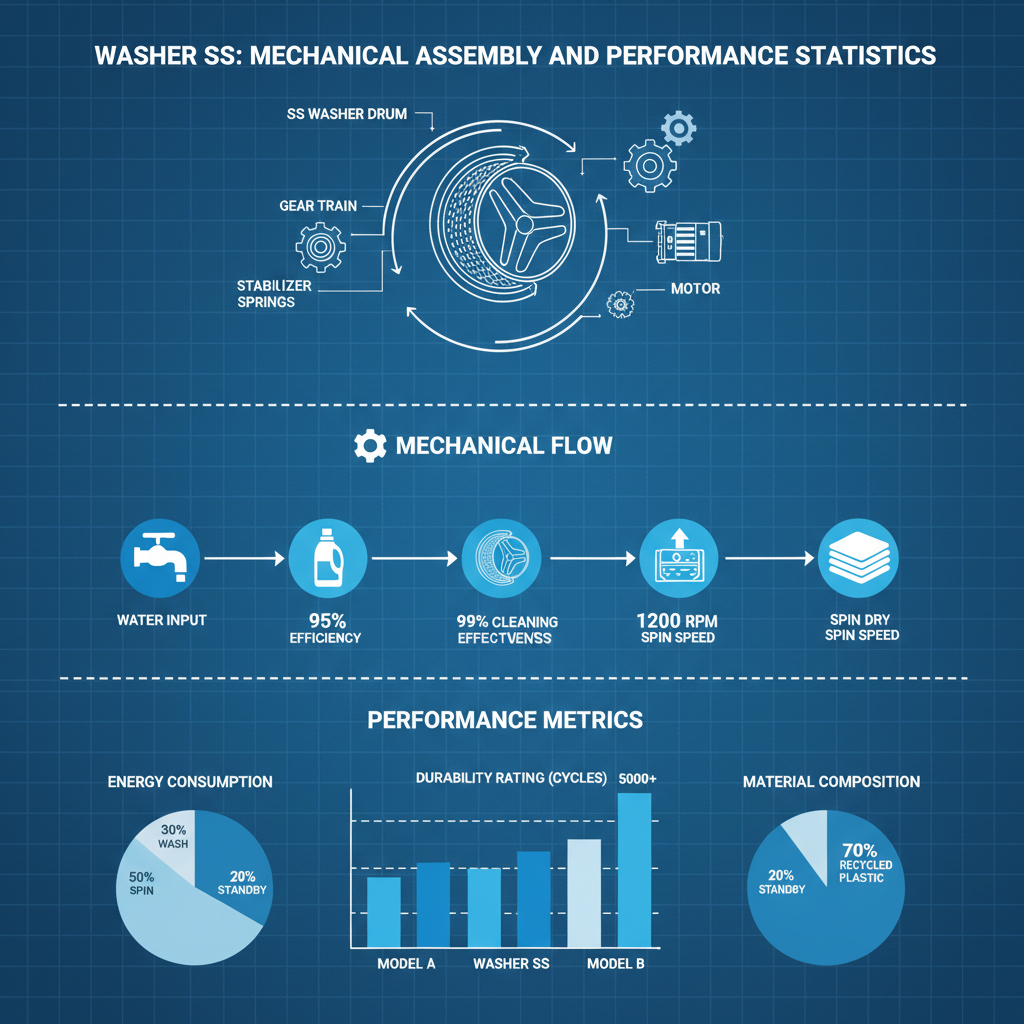
Selecting the Right Washer: Key Considerations
Choosing the right stainless steel washer involves careful consideration of several factors. These include the material compatibility with other components in the assembly, the load requirements, the environmental conditions, and the required level of corrosion resistance. It’s also important to consider the dimensions of the washer, ensuring it properly fits the fastener and provides adequate bearing surface. By carefully evaluating these factors, you can select a washer that will provide optimal performance and longevity.
Conclusion: Investing in Quality Stainless Steel Washers
Investing in high-quality stainless steel washers from a reputable supplier like FY Gasket is a crucial step in ensuring the reliability and longevity of your assemblies. By understanding the different types, grades, and applications of these seemingly small components, you can make informed decisions that will save you time and money in the long run. Don't compromise on quality – choose FY Gasket for all your stainless steel washer needs.
Frequently Asked Questions (FAQs)
What is the difference between 304 and 316 stainless steel washers?
The primary difference lies in their corrosion resistance. 316 stainless steel contains molybdenum, which significantly enhances its resistance to chloride corrosion, making it ideal for marine environments and applications involving harsh chemicals. 304 stainless steel offers good general-purpose corrosion resistance but is less suited for environments with high chloride exposure. Therefore, 316 is often the preferred choice for coastal areas or industrial facilities processing corrosive substances.
How do I determine the correct size washer for my application?
The washer's inner diameter should match the fastener's outer diameter. The outer diameter should be large enough to distribute the load effectively without excessive pressure on the joined materials. Consider the thickness of the washer – thicker washers provide a larger bearing surface but may require a longer fastener. Referencing fastener and washer specification charts is recommended. FY Gasket’s expert team can also assist you with sizing recommendations.
Can stainless steel washers be used with other metal fasteners?
Yes, stainless steel washers can be used with other metal fasteners like steel or aluminum. However, galvanic corrosion may occur when dissimilar metals are in contact, especially in the presence of an electrolyte (like saltwater). To mitigate this, consider using a non-conductive washer between the metals or applying a protective coating. Carefully assess the environment and potential for corrosion before combining different metals.
What are the benefits of using lock washers?
Lock washers are designed to prevent fasteners from loosening due to vibration or thermal expansion and contraction. They accomplish this through various mechanisms, such as creating friction (split washers) or providing a spring force (wave washers). Using lock washers is crucial in applications where fastener security is critical, such as machinery, automotive components, and structural assemblies.
-
Guide to Choosing a High Quality Stainless Steel Pipe CapNewsApr.16,2026
-
Premium Durable Aluminum Post Caps 4x4 for Outdoor StructuresNewsApr.09,2026
-
Comprehensive Guide to Choosing the Right Sheet Metal Chimney Cap for Your HomeNewsApr.07,2026
-
Comprehensive Guide to Metal Pipe Caps Types Materials and ApplicationsNewsApr.04,2026
-
Comprehensive Guide to Metal Tube Caps for Industrial ApplicationsNewsMar.31,2026
-
Comprehensive Guide to Durable Galvanised Steel Capping SolutionsNewsMar.28,2026
-
Comprehensive Guide to Selecting the Right End Caps for Metal Tubing ApplicationsNewsMar.26,2026


- Mob: +86 0312-2911666/+86 0312-2911318
- Fax: 0312-2911511
- Email: rubber@hbfengye.com/
- Add: No. 228 North Street, Gaobeidian City, Hebei Province


