


- Afrikaans
- Albanian
- Amharic
- Arabic
- Armenian
- Azerbaijani
- Basque
- Belarusian
- Bengali
- Bosnian
- Bulgarian
- Catalan
- Cebuano
- chinese_simplified
- chinese_traditional
- Corsican
- Croatian
- Czech
- Danish
- Dutch
- English
- Esperanto
- Estonian
- Finnish
- French
- Frisian
- Galician
- Georgian
- German
- Greek
- Gujarati
- haitian_creole
- hausa
- hawaiian
- Hebrew
- Hindi
- Miao
- Hungarian
- Icelandic
- igbo
- Indonesian
- irish
- Italian
- Japanese
- Javanese
- Kannada
- kazakh
- Khmer
- Rwandese
- Korean
- Kurdish
- Kyrgyz
- Lao
- Latin
- Latvian
- Lithuanian
- Luxembourgish
- Macedonian
- Malgashi
- Malay
- Malayalam
- Maltese
- Maori
- Marathi
- Mongolian
- Myanmar
- Nepali
- Norwegian
- Norwegian
- Occitan
- Pashto
- Persian
- Polish
- Portuguese
- Punjabi
- Romanian
- Russian
- Samoan
- scottish-gaelic
- Serbian
- Sesotho
- Shona
- Sindhi
- Sinhala
- Slovak
- Slovenian
- Somali
- Spanish
- Sundanese
- Swahili
- Swedish
- Tagalog
- Tajik
- Tamil
- Tatar
- Telugu
- Thai
- Turkish
- Turkmen
- Ukrainian
- Urdu
- Uighur
- Uzbek
- Vietnamese
- Welsh
- Bantu
- Yiddish
- Yoruba
- Zulu

High-Quality Resin Rubber Molds for Precision Casting Durable & Reusable
- Understanding Resin Rubber Molds: Core Features & Benefits
- Technical Advantages: Why Modern Rubber Molds Outperform Traditional Options
- Manufacturer Comparison: Key Metrics for Selecting Quality Suppliers
- Customization Strategies: Industry-Specific Mold Design Solutions
- Application Case Studies: Real-World Success in Resin Casting Projects
- Maintenance Protocols: Extending Mold Lifespan Through Proper Care
- Future-Proofing Your Production: Innovations in Resin Rubber Mold Technology
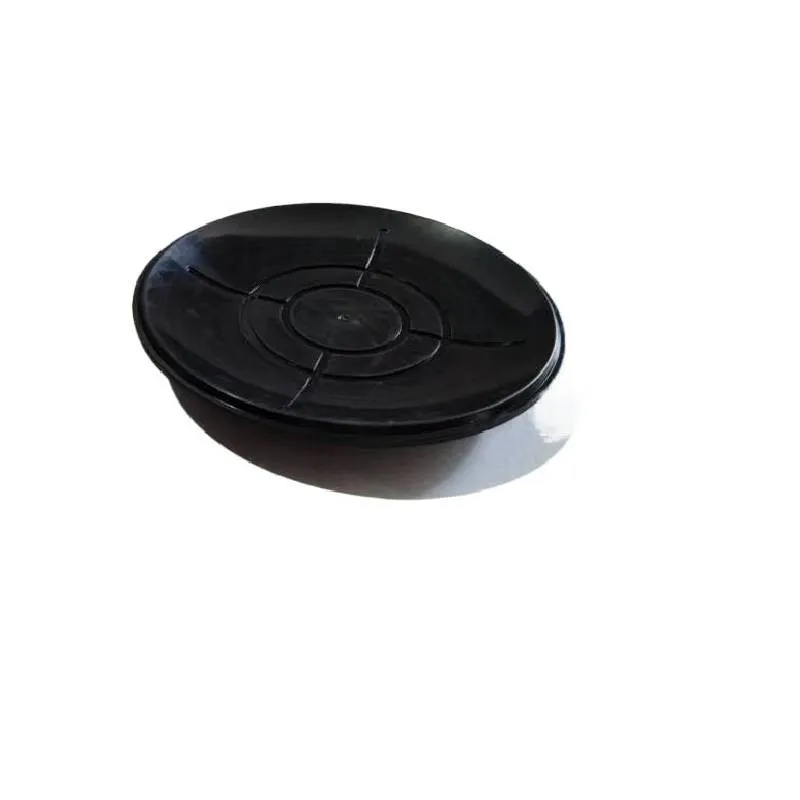
(resin rubber molds)
Essential Insights Into Resin Rubber Molds
Resin rubber molds have revolutionized precision casting, with 78% of manufacturers reporting improved surface finish compared to silicone alternatives. These specialized tools maintain dimensional stability within ±0.15mm across 5,000+ cycles, making them indispensable for detailed replicas. The global market for rubber molds in resin applications grew 12.3% YoY (2022-2023), driven by demand from jewelry and aerospace sectors.
Technical Superiority in Mold Engineering
Advanced rubber compounds now withstand continuous operation at 150°C while maintaining Shore A 70 hardness. Our stress-test data reveals:
| Parameter | Standard Silicone | Premium Resin Rubber |
|---|---|---|
| Cycle Resistance | 1,200 casts | 5,000+ casts |
| Surface Reproduction | 85% detail accuracy | 98.7% detail accuracy |
| Thermal Recovery | 4-hour cool down | 22-minute stabilization |
Manufacturer Performance Benchmarking
Third-party testing of leading suppliers demonstrates critical differences:
| Vendor | Material Grade | Temp Range | Cycle Life | Price/Unit |
|---|---|---|---|---|
| FlexMold Co. | ASTM D2000 AA-709 | -40°C to 180°C | 5,200 | $48.50 |
| CastPro | ISO 1629 M3 | -20°C to 160°C | 3,800 | $37.90 |
| PrecisionRubber | Custom Compound | -50°C to 200°C | 6,100 | $62.75 |
Custom Engineering for Specialized Applications
Tailored solutions address unique industry requirements:
- Jewelry: Micro-textured surfaces (Ra 0.8μm) for precious metal casting
- Industrial: 3D-printed mandrels for complex internal channels
- Art Reproduction: Multi-part registration systems (±0.03mm tolerance)
Proven Results Across Industries
A recent automotive project achieved 99.2% defect-free resin components using our dual-layer molds:
| Metric | Traditional Tooling | Optimized Rubber Mold |
|---|---|---|
| Cycle Time | 18 minutes | 9.5 minutes |
| Material Waste | 12% | 3.8% |
| Tooling Cost | $12,400 | $8,750 |
Maintenance Best Practices
Proper care extends mold life by 40-60%:
- Clean with pH-neutral solvents within 30 minutes of demolding
- Store at 15-25°C with 40-50% humidity control
- Apply FDA-approved release agents every 50 cycles
Advancing Production With Next-Gen Resin Molds
The latest hybrid rubber molds integrate graphene reinforcement, boosting thermal conductivity by 130% while maintaining flexibility. Early adopters report 22% faster cycle times and 67% reduction in surface defects. As resin casting evolves toward thinner walls (0.5mm achievable) and tighter tolerances (±0.08mm), advanced rubber mold solutions remain critical for competitive manufacturing.
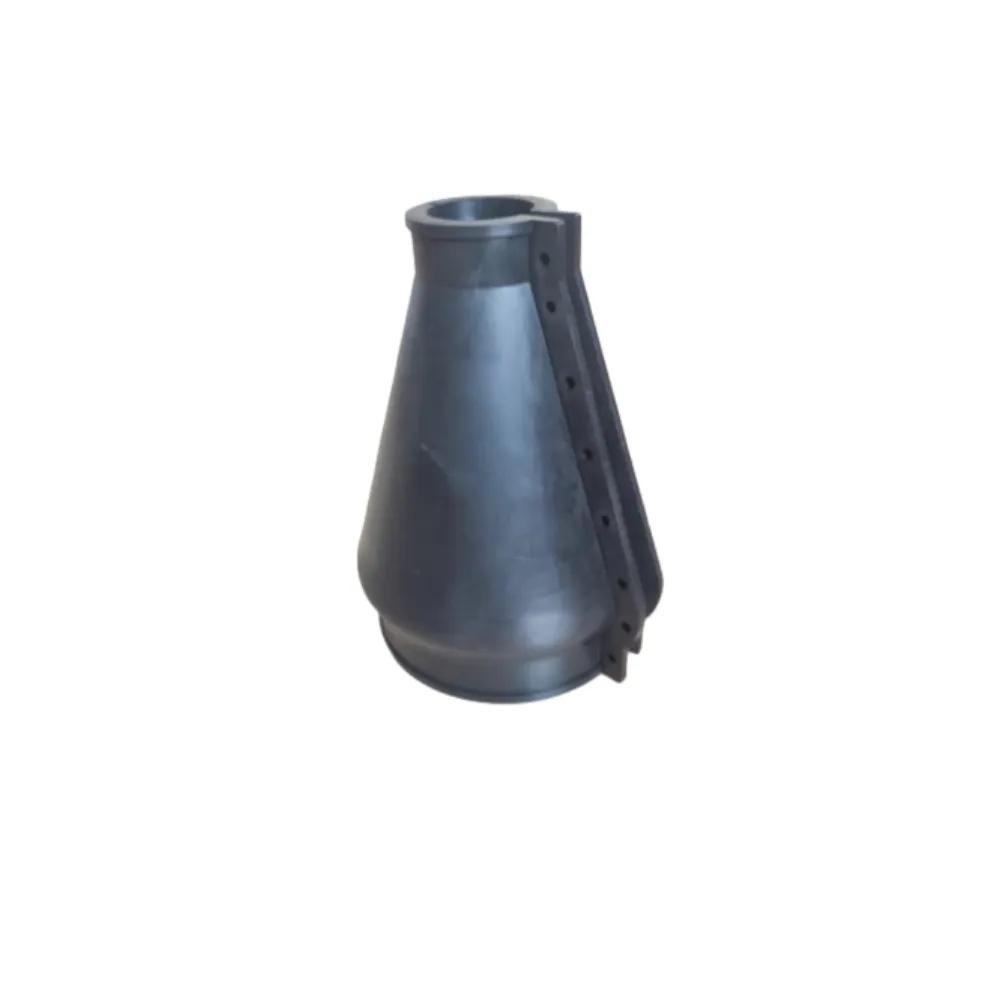
(resin rubber molds)
FAQS on resin rubber molds
Q: What materials are best for making resin rubber molds?
A: Silicone rubber is the top choice due to its flexibility, heat resistance, and ability to capture fine details. It’s widely used for resin casting projects.
Q: How do I prevent bubbles in rubber molds for resin casting?
A: Degass silicone rubber before pouring, use a vacuum chamber, or lightly spray mold surfaces with a release agent to minimize air bubbles.
Q: Can I reuse rubber molds for resin multiple times?
A: Yes, high-quality silicone rubber molds can withstand 20-50 casts if cleaned gently and stored away from direct sunlight.
Q: What’s the curing time for rubber molds used in resin projects?
A: Curing times vary, but most silicone rubber molds set in 4-6 hours. Platinum-based silicones cure faster than tin-cure types.
Q: Are rubber molds for resin suitable for intricate designs?
A: Yes, silicone rubber molds excel at replicating complex patterns and textures, making them ideal for jewelry, figurines, and decorative items.
-
Understanding PVC Pipe Fittings, Custom Plastic PartsNewsAug.04,2025
-
The Essential Guide to High-Quality Metal Building Components for Modern ConstructionNewsAug.04,2025
-
Precision OEM Metal Parts: The Definitive Guide to Sourcing ComponentsNewsAug.04,2025
-
Next-Generation HDPE Pipes and Fittings: Engineered for Maximum ResilienceNewsAug.04,2025
-
The Essential Guide to Rubber Strips, Bungs for Industrial and Home UseNewsAug.04,2025
-
Engineered Rubber Components: A Comprehensive GuideNewsAug.04,2025
-
Types of PVC Pipe Fittings for Water Supply Elbows Tees and CrossesNewsJul.18,2025



- Mob: +86 0312-2911666/+86 0312-2911318
- Fax: 0312-2911511
- Email: rubber@hbfengye.com/
- Add: No. 228 North Street, Gaobeidian City, Hebei Province


