

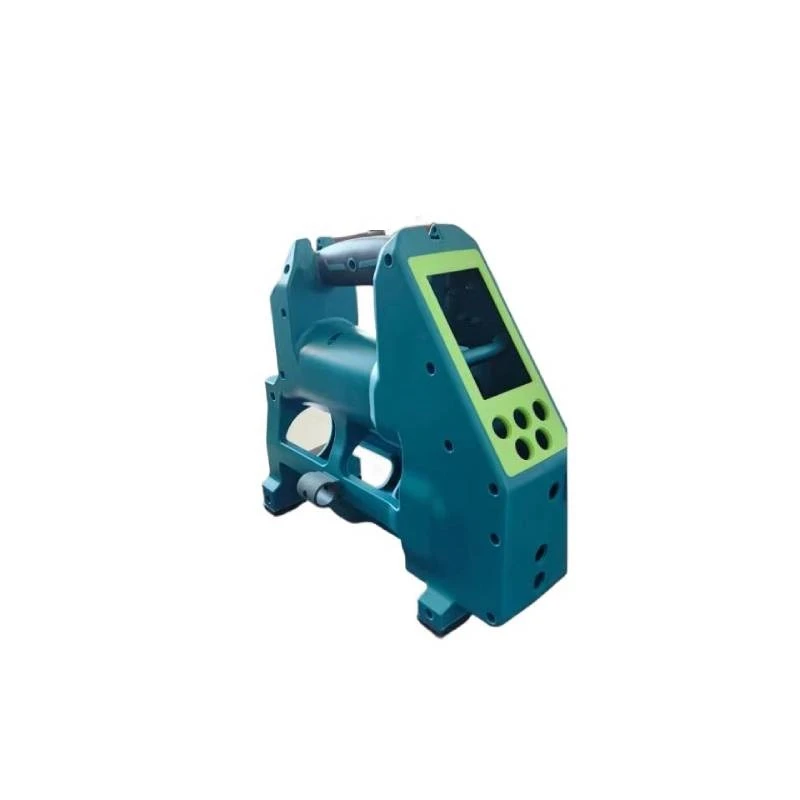

Precision Engineering for Portuguese Industry
Providing high-grade metal parts and specialized polymer components tailored for heavy-duty applications.
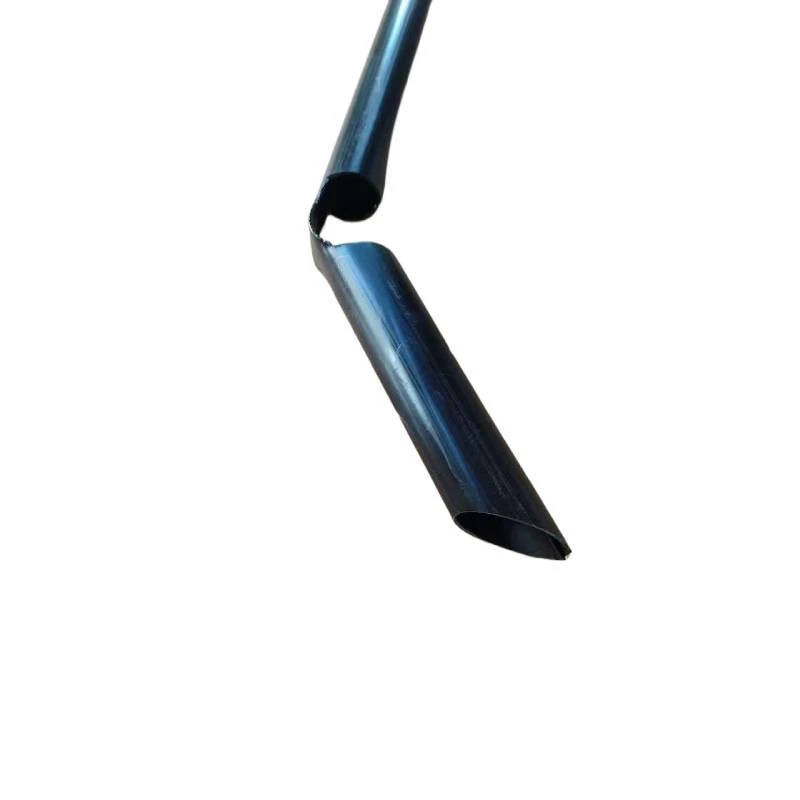
Plastic Tube
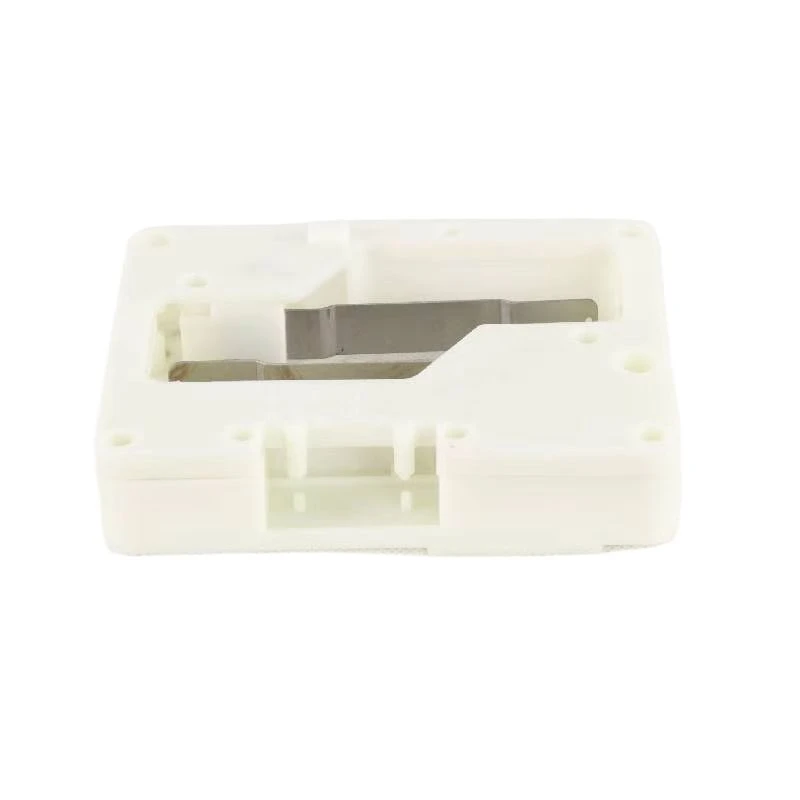
Switch Box
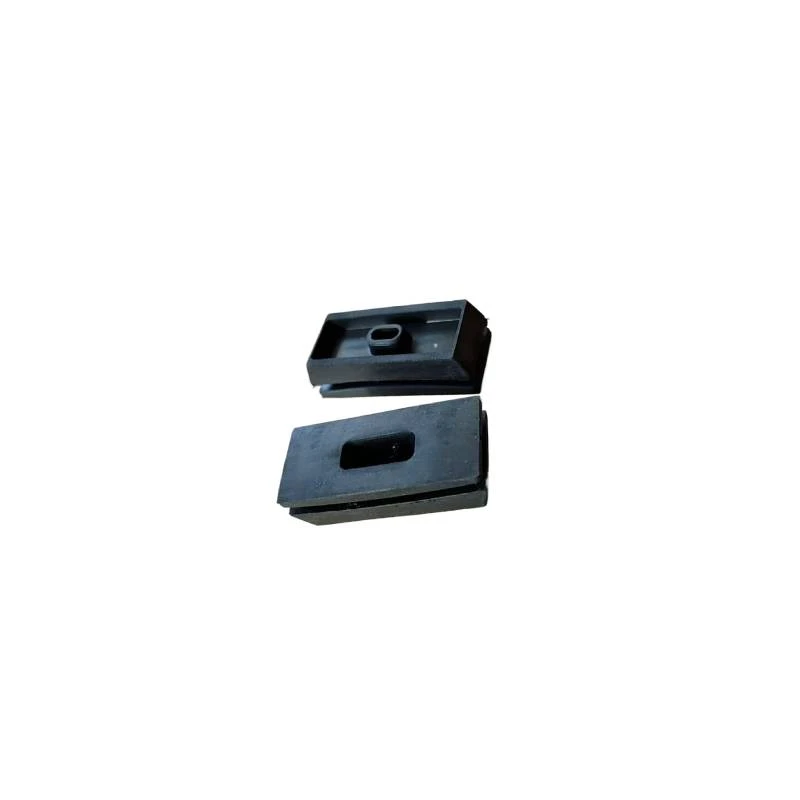
Rubber Switch Components
02 — REGIONAL ANALYSIS
Optimizing Fluid Handling and Sealing in Portugal
Addressing the critical need for corrosion-resistant and high-pressure compatible fittings in Southern Europe.
The Portuguese industrial landscape, characterized by strong automotive, agricultural, and energy sectors, requires components that can withstand diverse environmental stressors. From the coastal humidity of the Atlantic to the intense heat of the interior, the demand for high-grade rubber parts is driven by the need for long-term sealing integrity and reduced maintenance cycles.
Current procurement trends in the region show a shift toward advanced polymers. The integration of pvc pipe parts and high-density polyethylene solutions is increasing, particularly in irrigation and urban infrastructure projects where chemical resistance and ease of installation are paramount.
For engineers and procurement managers in Portugal, this means shifting focus from generic off-the-shelf parts to customized specifications. Utilizing hdpe fittings ensures that systems can handle higher pressure loads while remaining flexible enough to accommodate geological shifts in diverse terrains.
03 — EVOLUTION & TRENDS
Technical Progression of Sealing Systems
The transition from traditional materials to high-performance composites.
Early Stage
Standardized Rubber
Focus on basic sealing and generic gaskets with limited temperature and chemical resistance.
Expansion Stage
Polymer Diversification
Introduction of PVC and HDPE for specialized fluid transport and industrial piping.
Current Stage
High-Precision Customization
Integration of IATF 16949 standards and aerospace-grade quality for customized seals.
01
Material Hybridization
Combining rubber and metal to enhance structural strength while maintaining sealing flexibility in automotive systems.
02
Environmental Compliance
Increasing demand for REACH and RoHS compliant pvc tube fittings to meet EU environmental regulations.
03
Miniaturization
Development of smaller, high-tolerance parts for electronic appliances and medical device manufacturing.
04 — FUTURE PROJECTIONS
Strategic Advancements in Component Design
Where precision meets future industrial requirements.
01
Smart Material Integration
Development of self-healing polymers to increase the lifespan of industrial seals.
02
Zero-Leakage Architecture
Advanced tooling for tighter tolerances in high-pressure fluid transport.
03
Circular Economy Focus
Increased use of recyclable thermoplastic elastomers in industrial fittings.
04
Digital Twin Design
Using simulation to optimize part geometry before physical production.
The shift toward automation in Portuguese factories necessitates components that require less frequent replacement and provide higher reliability. Precision-molded parts are no longer just accessories but critical failure-prevention assets.
Procurement teams should prioritize suppliers who offer full-cycle customization—from formulation R&D to final quality testing—to ensure that parts are perfectly matched to local operating conditions.
05 — APPLICATION SCENARIOS
Real-World Industrial Deployment
Tailored solutions for diverse Portuguese sectors.
01
Automotive Assembly Lines
Implementing high-temperature rubber seals for engine components to ensure leak-proof performance under extreme thermal cycling in vehicle manufacturing.
02
Agricultural Irrigation Systems
Deploying UV-resistant HDPE fittings and PVC pipes to manage water distribution in the Alentejo region, preventing soil contamination and leakage.
03
Medical Device Housing
Customizing food-grade and medical-grade plastic parts for precision instruments, ensuring biocompatibility and strict hygienic standards.
04
Industrial Energy Infrastructure
Utilizing heavy-duty metal and rubber composite seals for railway bridges and power plant piping to withstand high mechanical vibration.
05
Food Processing Equipment
Installing chemical-resistant PVC tube fittings in beverage production lines to facilitate sterile fluid transfer and resist aggressive cleaning agents.
06 — CORPORATE HERITAGE
Decades of Manufacturing Excellence
Our journey toward becoming a high-tech industry leader.
Since 1985
Foundational Expertise
Established a focus on custom processing of middle to high-end rubber and plastic sealing products and formulation R&D.
Development Phase
Scale and Certification
Expanded to over 40,000 square meters with 8 production workshops, achieving ISO 9001-2015 and IATF 16949:2016 certifications.
Current Era
High-Tech Recognition
Recognized as a National High-tech Enterprise, specializing in innovation-driven customized solutions for aviation, medical, and automotive fields.
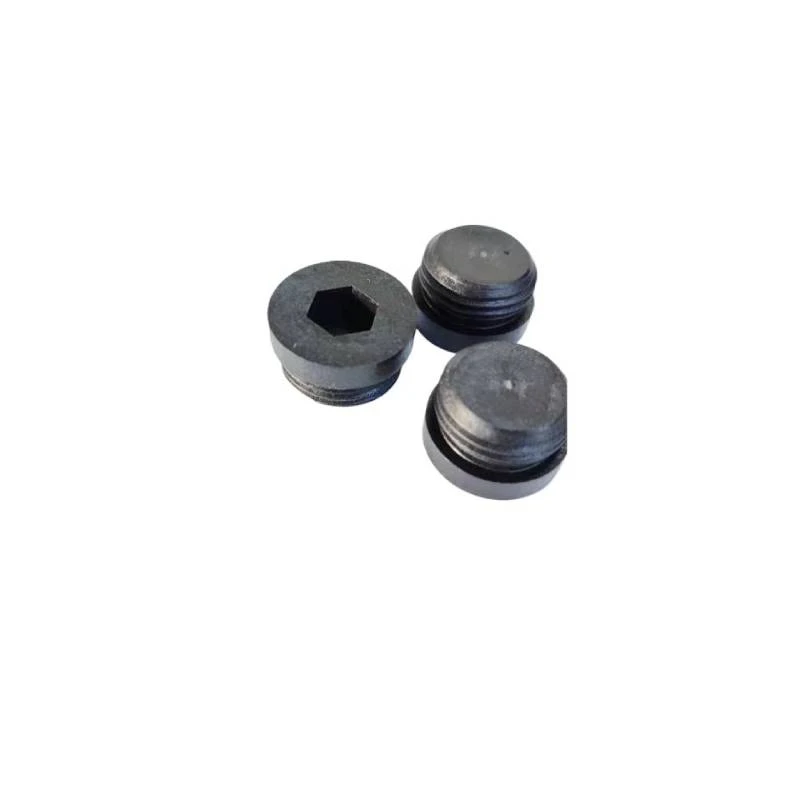
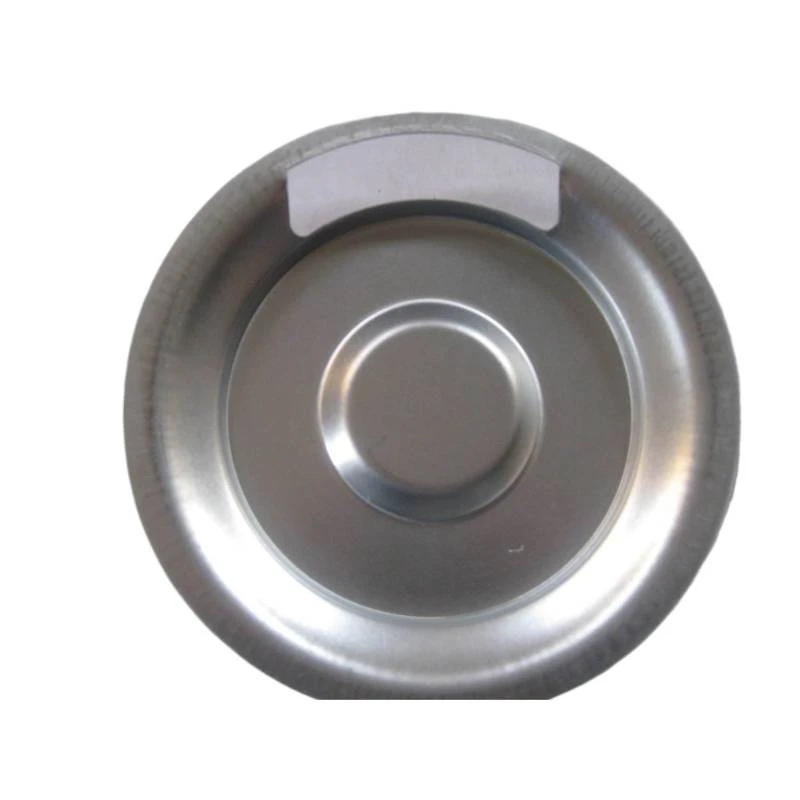
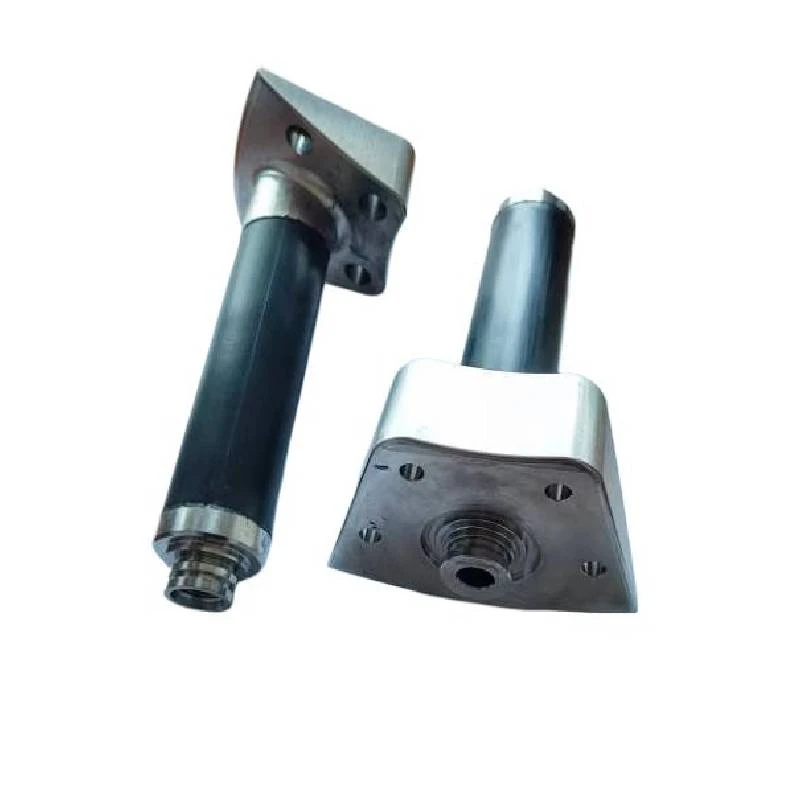
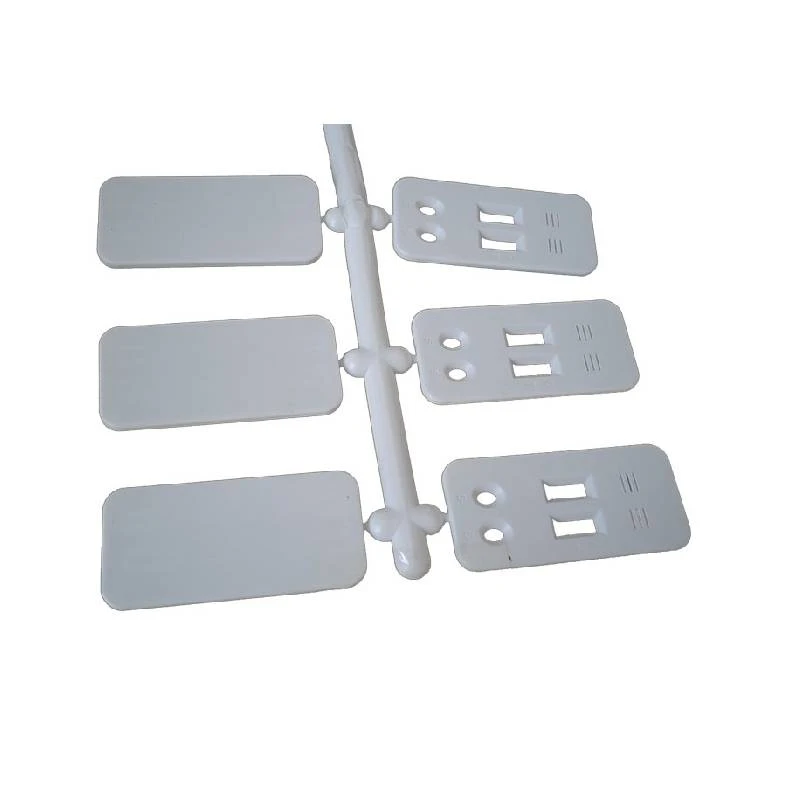
Comprehensive Industrial Sealing Catalog
Explore our full range of customized polymer and metal components for diverse engineering challenges.
08 — TECHNICAL Q&A
Common Procurement & Technical Queries
Expert answers for industrial buyers and engineers.
What factors should Portuguese buyers consider when choosing between rubber and plastic seals?
Decision should be based on the operating environment. Rubber is preferred for high-vibration and extreme temperature applications, while plastics like PVC or HDPE are ideal for chemical resistance and rigid fluid transport in agricultural or medical settings.
How does the Atlantic coastal environment affect the choice of piping fittings?
High salinity and humidity lead to rapid corrosion of standard metals. We recommend utilizing high-density polyethylene (HDPE) or specialized PVC components that are naturally inert to salt-air corrosion.
Can you customize components to meet specific EU regulatory standards?
Yes. Our production processes follow IATF 16949:2016 and ISO 14001 standards, ensuring that all customized rubber and plastic parts meet strict international quality and environmental requirements.
What is the typical lead time for a custom order of specialized metal parts?
Lead times vary based on the complexity of the tool design and the material formulation. However, our integrated R&D and production facility allows for an efficient transition from design to delivery.
Which certifications are most critical for automotive seals in the European market?
The IATF 16949:2016 certification is the global standard for automotive quality management systems, which we strictly implement to guarantee zero-defect parts for the automotive supply chain.
How can we verify the quality of the customized gaskets before bulk shipment?
We operate a dedicated product testing department. Additionally, we support third-party testing by independent bodies nominated by the customer to ensure all specifications are exceeded.
Partner With Us
Discuss Your Precision Engineering Requirements
Whether you are optimizing an industrial plant in Europe - Portugal or developing new automotive components, our technical team is ready to provide perfect sealing solutions.
Request Technical ConsultationGaoBeiDianShi Fengye Rubber Seals Co.,Ltd
We take the rubber parts and plastic parts production as the leader , set customization, research and development,
VIEW MORE


Quick Links
Our Products
Contact Us
- Mob: +86 0312-2911666/+86 0312-2911318
- Fax: 0312-2911511
- Email: rubber@hbfengye.com/
- Add: No. 228 North Street, Gaobeidian City, Hebei Province
Copyright © 2026 GaoBeiDianShi Fengye Rubber Seals Co.,Ltd. All Rights Reserved. Sitemap | Privacy Policy | Top Blog | Global Service | Hot Products | Knowledge


