


Regional Analysis
The Landscape of Rubber and Plastic Manufacturing in Kenya
An analysis of demand, technical requirements, and growth opportunities in the East African hub.
Kenya serves as a primary industrial gateway for East Africa, with a strong emphasis on agricultural modernization and automotive assembly. The demand for rubber and plastic components is driven largely by the need for durable infrastructure, specifically in water management and agricultural machinery. In these sectors, the reliability of sealing and fitting components is paramount, as the rugged terrain and varied climatic conditions place significant stress on mechanical parts. Consequently, there is a growing shift toward high-grade, engineered polymers that can replace traditional, shorter-lived materials.
Current market trends indicate a rapid move toward specialization. Rather than generic parts, Kenyan operators are increasingly seeking customized solutions that address specific environmental challenges, such as corrosion resistance for coastal installations or high-heat stability for engine components. Technological drivers include the adoption of precision molding and the requirement for certified materials (ISO/IATF), as local manufacturers strive to integrate their products into global supply chains. This evolution is pushing the industry away from low-cost, low-quality alternatives toward value-driven, high-performance engineering.
Looking ahead, the primary opportunity lies in the integration of "smart" materials and the scaling of specialized plastic components for the medical and electronic sectors. However, constraints remain in the form of local technical expertise for complex tooling and the high cost of importing specialty resins. The outlook remains positive, as the Kenyan government's focus on industrialization (Vision 2030) is expected to increase the demand for domestic and imported high-precision rubber and plastic parts, creating a fertile ground for partners who can offer both R&D and large-scale production capacity.
Technical Journey
Evolution of Sealing and Fitting Technology
Tracing the transition from basic rubber molding to high-precision polymer engineering.
Early Adoption
Standardized Molding
Initial focus was on mass-producing general-purpose rubber seals. The transition from manual to semi-automated molding increased consistency but lacked the precision needed for high-pressure applications.
Recent Development
Custom Polymer R&D
The industry shifted toward chemical formulation research. By developing mixed rubber blends, manufacturers could finally solve specific issues like UV degradation and chemical corrosion.
Current Phase
Precision Systems
Modern production integrates AI-driven mold design and strict IATF 16949 certifications, enabling components for aviation and medical-grade applications with zero-defect goals.
Material Science Convergence
The boundary between rubber and plastics is blurring. The development of thermoplastic elastomers (TPE) allows for the flexibility of rubber with the processing efficiency of plastic, reducing production costs while maintaining high performance in fluctuating Kenyan temperatures.
Sustainability in Polymers
There is a significant move toward recyclable HDPE and PVC materials. Engineering components that can be recycled without losing structural integrity is becoming a key competitive advantage for suppliers serving the environmentally conscious agricultural sector.
Integration of Precision Tooling
The adoption of CNC-machined molds has virtually eliminated the "fitting gap" in tube and pipe systems. This ensures that components from different batches fit perfectly, reducing installation time and leakage risks in large-scale infrastructure projects.
Future Outlook
Key Shifts in Global Rubber and Plastic Production
Identifying the technological and operational drivers shaping the next decade of manufacturing.
Smart Material Integration
The rise of polymers with embedded sensors allows for "predictive sealing," where the component can signal wear or leak risks before failure occurs, reducing unplanned downtime.
Eco-Polymer Transition
Shift toward bio-based plastics to reduce carbon footprints. This is critical for industries in Kenya aiming to meet international environmental certifications for export markets.
Additive Manufacturing
3D printing of complex rubber and plastic geometries is enabling rapid prototyping, allowing Kenyan engineers to test custom fittings in days rather than weeks.
Hyper-Customization
The move from "catalog" parts to "application-engineered" parts. Every component is now designed around the specific operational pressure and temperature of the end-use environment.
The integration of advanced material science is no longer an option but a necessity. For sectors like aviation and medical devices, the tolerance for error is zero. This is driving a surge in the adoption of "Clean Room" manufacturing processes for plastic parts, ensuring that contamination is eliminated at the source. In Kenya, this trend is particularly evident in the growth of the pharmaceutical packaging industry, where sterile, high-precision plastic components are in high demand.
Furthermore, the operational logic is shifting toward Lifecycle Costing (LCC). Instead of purchasing the cheapest available fitting, industrial operators are calculating the cost of downtime associated with failure. This shift favors manufacturers who can prove a longer MTBF (Mean Time Between Failures) through rigorous testing and certified materials, moving the market toward a higher equilibrium of quality and reliability.
Application Case Studies
Real-World Implementation of Precision Parts in Kenya
How customized rubber and plastic engineering solves specific regional operational challenges.
01
Agricultural Irrigation Systems in Rift Valley
In large-scale farming operations, standard hdpe fittings often leak due to soil movement and high UV exposure. By implementing UV-stabilized, high-density polyethylene components with precision-engineered threads, operators eliminate water loss and reduce the frequency of manual repairs in remote fields.
02
Automotive Assembly Plants in Nairobi
Local assembly lines require sealing components that meet IATF 16949 standards to ensure vehicle safety. Custom rubber gaskets engineered for high-temperature engine environments prevent fluid leaks, ensuring that assembled vehicles meet international export quality standards and reducing warranty claims.
03
Food Processing Facilities in Mombasa
Coastal humidity and salt air accelerate the corrosion of metal parts. By replacing standard joints with food-grade, salt-resistant pvc pipe parts, processing plants maintain sterile environments and avoid the risk of metallic contamination in the food chain.
04
Medical Device Component Sourcing in Nairobi
Healthcare providers require high-precision pvc tube fittings for specialized equipment. Using medical-grade, non-toxic polymers and precision molding, we provide components that ensure leak-proof fluid delivery and biocompatibility for patient safety.
05
Industrial Energy Plants in Naivasha
High-pressure steam and chemical lines require seals that do not degrade under extreme thermal cycling. Using specialized mixed rubber formulations, we provide high-performance seals that maintain a tight vacuum, preventing energy loss and ensuring the safety of plant operators.
Representative Perspectives
Industry Use Case Insights
Illustrative outcomes from the application of high-precision sealing and fitting solutions.
For agricultural irrigation, the transition to UV-stabilized HDPE fittings significantly reduced our quarterly maintenance cycles. The precision fit eliminated the need for excessive sealant, reducing both material waste and labor costs across our Rift Valley installations.
Sourcing IATF-certified rubber parts was critical for our automotive assembly compliance. The consistency in batch quality and the ability to customize hardness levels meant we could reduce our internal QC rejection rate for sealing components.
The custom formulation of heat-resistant seals solved our chronic failure issues in industrial boilers. By moving from generic rubber to a tailored compound, the service life of our gaskets increased, allowing for longer operational windows between shutdowns.
Our Heritage
GaoBeiDianShi Fengye Rubber Seals Co., Ltd.
Decades of commitment to precision molding and material innovation.
1985
Company Establishment
Founded with a core focus on the custom processing of middle to high-end rubber and plastic sealing products, laying the foundation for technical excellence in material formulation.
Expansion Phase
Industrial Scaling
Expanded production capabilities to cover over 40,000 square meters with 8 specialized workshops, integrating R&D, customization, and sales into a single high-efficiency ecosystem.
Certification Era
Quality Standardization
Achieved critical global certifications including IATF 16949:2016 and ISO 9001-2015, cementing our position as a trusted supplier for automotive and aviation industries.
Innovation Peak
High-Tech Recognition
Earned the honorary title of "National High-tech Enterprise," reflecting our commitment to invention patents and the development of specialized new small and medium-sized enterprise standards.
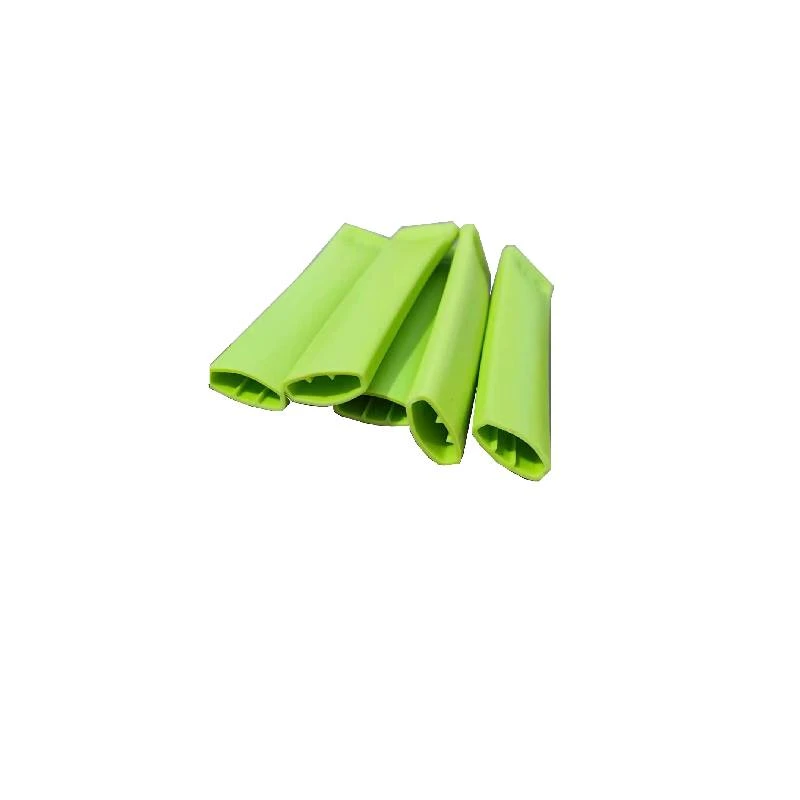
Extrusion Protective Tube

Accessory Hinges for Refrigerators

Stainless Steel Filter Element Metal Cap

Dust Ring Seal
Technical Support
Common Questions on Rubber and Plastic Component Procurement
Expert answers to help you select the right materials and specifications for your project.
What are the primary advantages of custom rubber formulations over standard off-the-shelf seals?
Custom formulations allow us to engineer the polymer's chemical structure to withstand specific stressors. For example, in Kenya's high-UV environment, standard rubber can oxidize and crack. A custom compound can include UV stabilizers and antioxidants that extend the service life by several years. Furthermore, customization allows for precise control over shore hardness, ensuring the seal performs optimally under the specific pressure ranges of your machinery.
How do you ensure the dimensional accuracy of PVC pipe and tube fittings for large-scale projects?
We utilize precision CNC-machined molds and strictly controlled cooling cycles to prevent material shrinkage, which is a common cause of fitting failure. Each batch is audited by our dedicated testing department using calibrated measuring instruments to ensure they meet the required tolerances. This approach ensures that whether you are installing 10 or 10,000 fittings in a Kenyan irrigation project, every piece will fit seamlessly without the need for excessive manual adjustment.
Which certifications should I look for when sourcing automotive rubber parts for export-grade vehicles?
The gold standard for automotive quality is IATF 16949. This certification ensures that the manufacturer has a robust quality management system focused on defect prevention and reduction of variation and waste in the supply chain. Additionally, ISO 9001 (Quality) and ISO 14001 (Environmental) provide a baseline for operational consistency. Our adherence to these standards ensures that parts are traceable and meet the rigorous safety requirements of global automotive OEMs.
Can you provide components that are compatible with food-grade and medical-grade requirements?
Yes, we specialize in the selection of biocompatible and non-toxic polymers. For food-grade applications, we use plastics and rubbers that are free from harmful phthalates and meet international food safety standards. For medical-grade components, we implement strict contamination controls during the molding process. The selection depends on the specific contact duration and temperature of the application; we provide technical consultations to match the material to your specific regulatory needs.
What is the typical process for developing a completely new custom plastic or rubber part?
The process begins with a technical requirement analysis where we define the operational environment (temperature, pressure, chemical exposure). Next, our R&D team suggests the optimal material formulation. We then proceed to the design and production of a precision mold, followed by the creation of prototype samples for your validation. Once the samples are approved and tested, we move to full-scale production in our workshops, ensuring every part maintains the validated specifications through continuous in-process inspection.
How do I determine if I need HDPE or PVC fittings for my specific infrastructure project in Kenya?
The choice depends on the application. HDPE is generally preferred for underground water mains and agricultural irrigation due to its superior flexibility, impact resistance, and longevity under soil stress. PVC is often better suited for indoor plumbing, electrical conduits, and chemical transport due to its rigidity and excellent chemical resistance. We recommend evaluating the pressure requirements and the degree of environmental exposure before selection; our engineers can provide a comparative analysis based on your project's blueprints.
Consult Our Engineers
Ready to Optimize Your Component Durability in Kenya?
Whether you are scaling an agricultural project or refining an automotive assembly line, the right sealing solution is the difference between operational success and costly failure. Our team is ready to help you select the perfect material and precision design for your specific regional requirements. Discuss your technical specifications with us today to ensure long-term reliability.
Discuss Your Requirements


