



Regional Analysis
Peru's Industrial Sealing and Plastic Parts Market
Analyzing the intersection of geographic challenges and industrial growth in South America.
The industrial landscape in Peru is heavily driven by mining, agriculture, and emerging manufacturing sectors. These industries operate in some of the most challenging geographies in South America, from the coastal deserts to the high-altitude Andean plateaus. This creates a unique demand for sealing components that can handle extreme pressure differentials and thermal shock. Consequently, the market for hdpe fittings and advanced rubber seals is shifting away from generic imports toward high-specification, customized engineering that can guarantee operational stability in harsh terrains.
Current trends indicate a strong push toward the modernization of infrastructure and the adoption of tighter quality standards. There is an increasing demand for materials that offer longer life cycles to reduce the logistics burden of importing spare parts. The shift toward "Specialized and New" small-to-medium enterprise products is evident as Peruvian firms seek partners who provide not just a product, but a formulation solution. This includes the integration of high-performance polymers for pvc tube fittings that offer better resistance to UV radiation and chemical degradation.
Despite the growth, constraints remain in the form of strict import regulations and the need for certified traceability in the medical and aviation sectors. The outlook for the Peruvian market is one of professionalization; the "lowest cost" model is being replaced by a "total cost of ownership" model. This opens significant opportunities for manufacturers who hold IATF 16949 certifications and can provide verifiable technical data, as local operators increasingly prioritize risk mitigation over initial purchase price.
Industry Journey
The Evolution of High-Performance Sealing
Tracing the transition from basic rubber molding to precision-engineered polymer science.
Early Phase
Basic Standardization
Industry relied on general-purpose rubber compounds. Components were produced in large batches with wide tolerances, leading to high failure rates in specialized applications.
Growth Phase
Customization & R&D
The shift toward custom formulations. Integration of utility model patents and focused research on mixed rubber to meet specific chemical and thermal requirements.
Current Phase
Precision Certification
The era of IATF 16949 and ISO standards. Focus on "zero-defect" production and high-tech enterprise status to serve aviation and medical industries.
From Molding to Engineering
Historically, sealing was viewed as a simple molding process. Today, it is an engineering discipline involving molecular-level rubber formulation and precision tool design to ensure structural integrity under extreme stress.
The Integration of Multi-Material Systems
The industry has evolved from single-material parts to complex assemblies combining metal and rubber, optimizing the strength of metal with the sealing properties of polymers for higher durability.
Data-Driven Quality Assurance
Quality control has moved from manual sampling to comprehensive digital testing and strict certification audits, ensuring that every part delivered to international markets is consistent and traceable.
Future Outlook
Strategic Directions in Polymer Manufacturing
How emerging technologies and sustainability goals are reshaping the production of industrial parts.
Smart Material Integration
Development of polymers with self-healing properties or sensors that indicate wear levels, allowing for predictive maintenance in critical Peruvian infrastructure.
Eco-Polymer Transition
Increasing shift toward biodegradable or recycled plastics in non-critical applications to meet new environmental regulations in South American markets.
Additive Manufacturing
Using 3D printing for rapid prototyping of complex metal parts, reducing the time from conceptual design to physical validation.
Hybrid Sealing Systems
Development of combined metal-rubber-plastic seals that offer redundant layers of protection for high-pressure energy and industrial energy fields.
The drive toward "Industry 4.0" is fundamentally altering how custom parts are sourced. In Peru, where logistical efficiency is paramount, the ability to utilize digital twins for part verification before shipping from the factory is becoming a competitive necessity. This ensures that the physical part arrives and fits perfectly on the first attempt, eliminating the costly "trial and error" phase that previously plagued cross-border industrial procurement.
Furthermore, the evolution of material science is enabling the creation of components that can withstand significantly higher pressures and temperatures than previously possible. For operators in the industrial energy sector, this means systems can be pushed to higher efficiencies without increasing the risk of catastrophic seal failure. The future lies in the convergence of chemical purity, precision tooling, and rigorous international quality auditing.
Real-World Application
Deployment Scenarios across Peru's Industry
How our customized sealing and plastic solutions solve specific regional operational challenges.
01
High-Altitude Mining Equipment in the Andes
Mining machinery operating at 4,000+ meters faces extreme temperature swings and high UV exposure. We provide custom mixed rubber seals with enhanced thermal stability and UV resistance. This prevents the rubber from becoming brittle, ensuring that hydraulic systems remain leak-free despite the harsh alpine environment, thereby reducing unplanned maintenance by focusing on material durability.
02
Coastal Agricultural Irrigation Systems
Irrigation networks in Peru's coastal regions deal with saline air and chemical fertilizers. By deploying high-grade pvc pipe parts and specialized HDPE fittings, we eliminate the risk of salt-induced corrosion and stress-cracking. This ensures a consistent water flow for large-scale agricultural exports, reducing water waste and protecting the infrastructure from premature degradation.
03
Medical Device Component Fabrication
Healthcare providers in Lima require high-purity, biocompatible plastic parts. We utilize ISO-certified clean production processes to manufacture precision plastic components. By strictly adhering to quality management systems, we ensure that every part is free of contaminants and meets exact dimensional specifications, providing the reliability required for critical medical instruments and diagnostic equipment.
04
Aviation Maintenance and Sealing
Aircraft operating within Peru's diverse geography require seals that can handle rapid pressure changes. We produce aviation-grade rubber parts that meet rigorous international safety standards. Through a combination of precision tooling and high-performance elastomer formulations, we provide seals that maintain a perfect vacuum and pressure lock, ensuring flight safety and reducing the frequency of seal replacement intervals.
05
Industrial Energy Fluid Transport
Energy plants require heavy-duty piping and sealing to handle high-temperature fluids. We supply reinforced pvc tube fittings and custom metal-rubber composite seals. These components are designed to withstand thermal expansion and contraction, preventing catastrophic failures in fluid transport lines and ensuring the continuous operation of energy generation facilities.
Proven Impact
Representative Industrial Application Results
Illustrative outcomes based on our technical approach to common industrial sealing problems.
For high-altitude mining operations, switching from standard seals to custom-formulated rubber components typically resolves the issue of premature thermal cracking. By analyzing the specific temperature swings of the Andean environment, operators can achieve a significant increase in the operational lifespan of their hydraulic systems, reducing the need for monthly seal replacements.
In large-scale irrigation projects, the use of precision HDPE fittings and PVC parts ensures a seamless fit that resists the corrosive effects of saline soil. This approach eliminates the common problem of joint leaks and pressure drops, allowing for more efficient water distribution and reducing the labor costs associated with repairing leaking pipe networks.
For aviation and medical sectors, the transition to IATF 16949 certified parts provides the necessary traceability and quality assurance. By utilizing a manufacturer with a dedicated testing department and strict quality control, firms can ensure that every component meets exacting safety specifications, effectively mitigating the risk of component failure in critical systems.
Our Legacy
GaoBeiDianShi Fengye: Decades of Precision
From a dedicated workshop to a national high-tech enterprise.
1985
Company Foundation
Established with a focus on the custom processing of rubber and plastic sealing products. Since the beginning, the company has prioritized the R&D of mixed rubber formulations to meet specialized industrial needs.
Growth Era
Infrastructure Expansion
Expanded the production facility to over 40,000 square meters, incorporating 8 specialized production workshops and employing over 120 skilled professionals to scale customization capabilities.
Modern Era
High-Tech Certification
Recognized as a "National High-tech Enterprise" and "Hebei Province Specialized in special new small and medium-sized enterprises," achieving IATF 16949:2016 and ISO 9001 certifications.

rubber damper

End Cap Sealing Rings

plastic Pipe Fittings
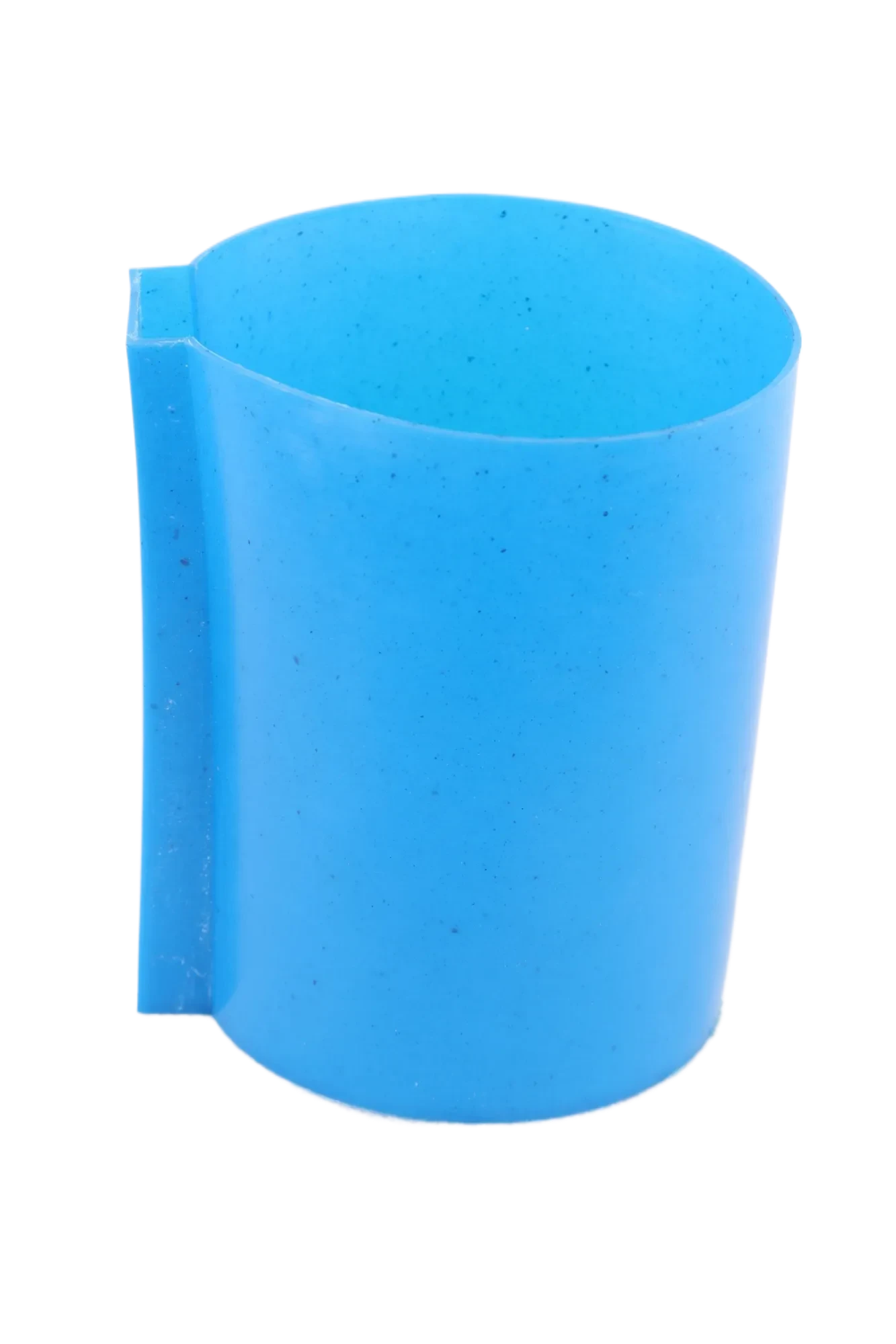
Introducing plastic tube covers: the ultimate solution for protection and sustainability
Technical Support
Frequently Asked Questions
Expert answers to common technical and procurement queries for industrial sealing.
What are the primary advantages of custom rubber formulations over standard parts?
Standard parts are designed for average conditions, but custom formulations allow us to optimize a material's molecular structure for specific stressors. For example, in Peru's high-altitude regions, we can increase the polymer's resistance to ozone and thermal shock. This ensures that the seal maintains its compression set and elasticity over a much longer period, directly reducing the frequency of leaks and system failures compared to off-the-shelf alternatives.
How does IATF 16949 certification benefit the procurement process for Peruvian firms?
IATF 16949 is one of the most rigorous quality standards globally, specifically for the automotive supply chain. For a Peruvian firm, this certification provides a guarantee of consistency and traceability. It means that the 1,000th part produced is identical to the 1st, and every material batch is documented. This reduces the risk of defective parts entering your production line and ensures that your own products meet the high standards required for international export.
Can your HDPE fittings be customized for specific chemical resistances?
Yes, we can adjust the resin grades and additive packages used in our HDPE and PVC production to enhance resistance to specific corrosive agents. Whether you are dealing with acidic mining runoff or alkaline agricultural fertilizers, we can recommend and manufacture fittings that prevent chemical stress cracking. We suggest providing the specific chemical composition of the fluid to be transported so we can conduct a compatibility analysis before production.
What is the typical process for requesting a custom-designed metal or rubber part?
The process begins with a technical requirement review where you provide drawings, material specifications, and operational conditions (temperature, pressure, chemicals). Our engineering team then develops a tool design and selects the appropriate compound. A sample is produced and tested in our quality department. Once the sample is validated against your specifications, we move to full-scale production in our 8 workshops, ensuring that the final delivery matches the approved prototype exactly.
How do you ensure the quality of parts delivered to South American clients?
We implement a three-stage quality control process: material inspection upon entry, in-process monitoring during production, and final verification in our dedicated testing department. For critical applications, we can also facilitate third-party testing through independent bodies. All parts are packaged to prevent deformation during long-distance transit to Peru, ensuring they arrive in perfect condition and ready for immediate installation.
Which industries in Peru typically benefit most from your specialized sealing solutions?
Our solutions are most impactful for sectors where failure carries high risk or cost. This includes the mining industry (heavy machinery seals), the aviation sector (pressure locks), medical device manufacturing (biocompatible plastic parts), and industrial energy (high-temperature fluid transport). Any operation that requires a balance of precision, certified quality, and material durability in challenging environments will find significant value in our customized approach.
Ready to Optimize
Secure Your Infrastructure with Precision-Engineered Components
Whether you are managing a mining site in the Andes or a medical facility in Lima, the right sealing solution can eliminate downtime and reduce operational risk. Our team is ready to analyze your specific technical challenges in Peru and provide a certified, high-performance custom solution. Contact us today to discuss your material requirements and receive a professional engineering consultation.
Discuss Your Requirements


