



Precision Components for Thai Manufacturing
Providing durable rubber parts and specialized fittings to meet the rigorous demands of Southeast Asian industrial environments.
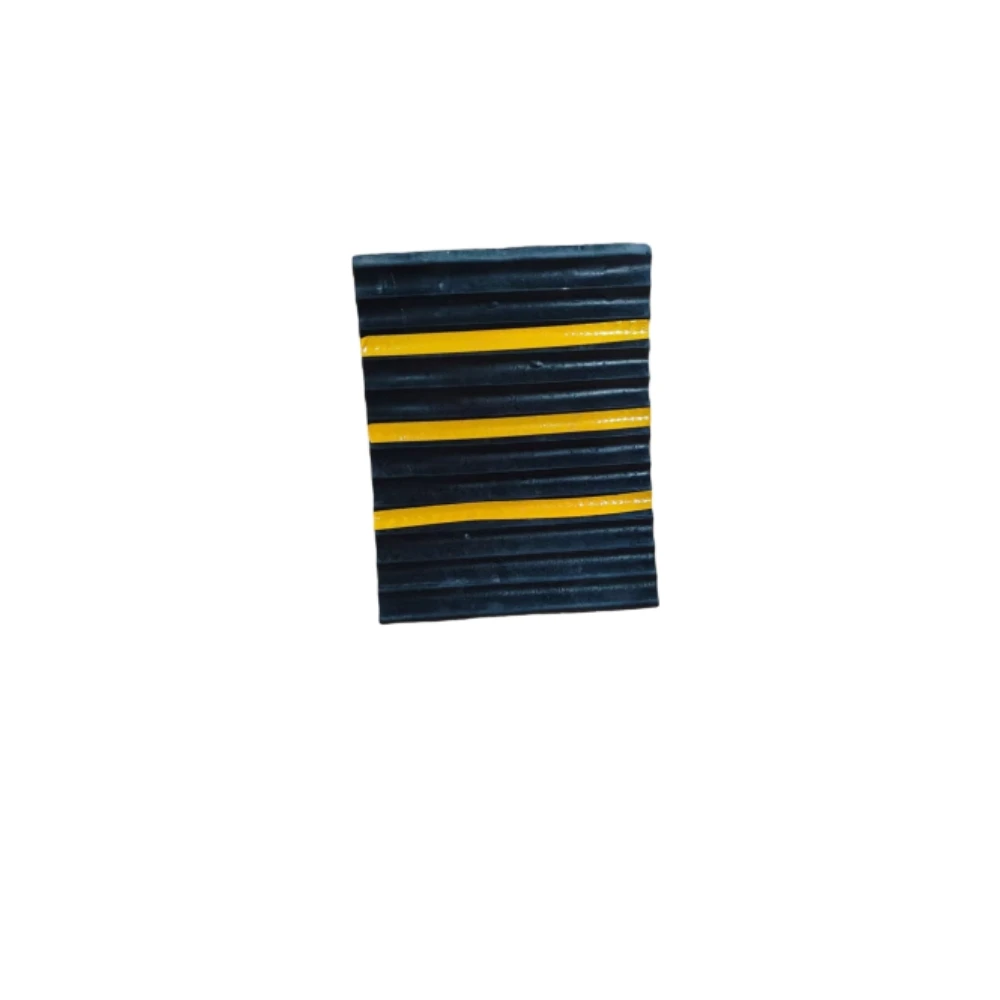
Wheel Stopper
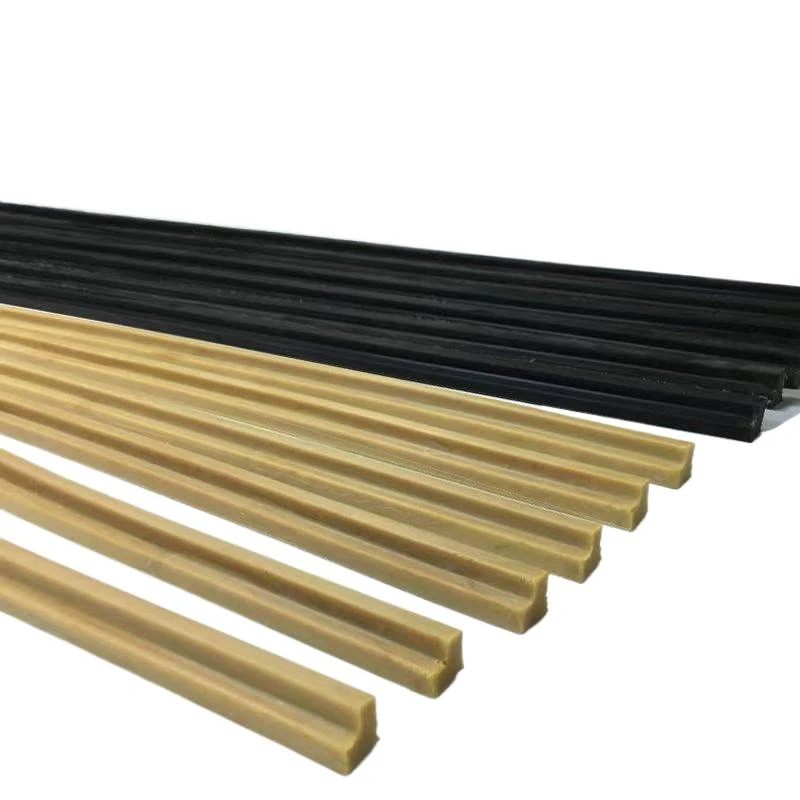
Anti-Collision Strips for Billiard Tables

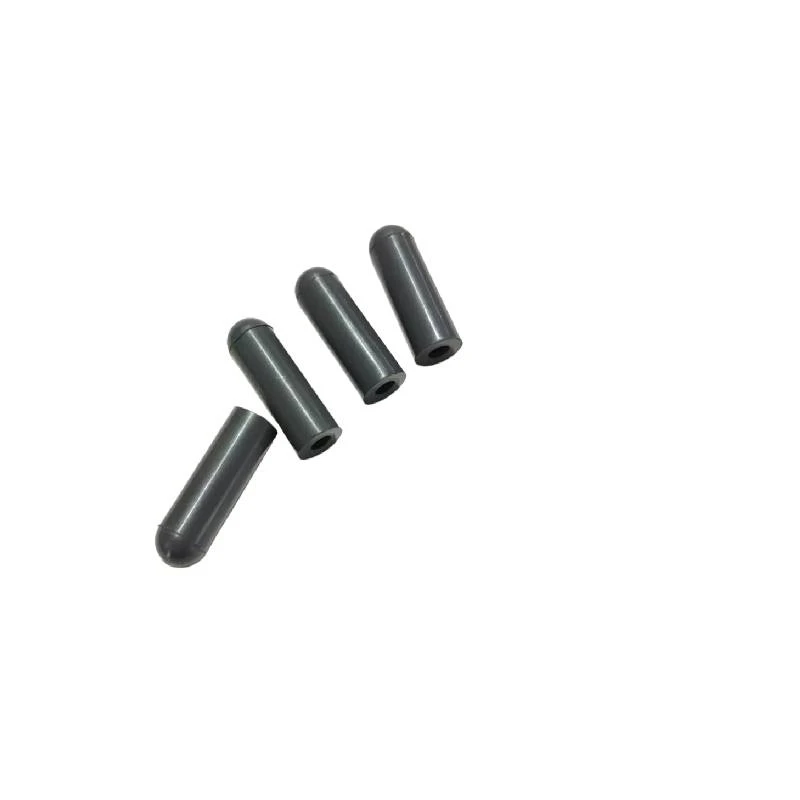
Sealing cap
02 — REGIONAL ANALYSIS
Addressing Component Durability in Thailand's Climate
How high-temperature and humidity levels drive the demand for advanced polymer materials.
Thailand's manufacturing landscape, particularly in the Eastern Economic Corridor (EEC), relies heavily on high-precision metal parts and polymers. The tropical environment imposes severe stress on sealing components, leading to accelerated degradation of standard materials due to oxidation and thermal expansion.
Consequently, procurement managers in the region are shifting toward customized formulations. There is a growing preference for high-grade pvc tube fittings and HDPE solutions that offer superior chemical resistance and long-term structural integrity under constant heat.
For engineers and procurement teams, this means that "off-the-shelf" components often fail prematurely. Success in the Thai market requires a supplier capable of R&D-driven customization, ensuring that material hardness and elasticity are tuned to the specific operating temperatures of the local facility.
03 — EVOLUTION & TRENDS
The Shift Toward High-Precision Sealing
Tracing the transition from general rubber molding to specialized engineering.
Standardization Phase
General Production
Focus on mass-produced rubber and plastic seals with basic material specifications for general industrial use.
Specialization Phase
Custom Formulations
Integration of R&D to develop mixed rubber compounds and tailored tool designs for high-end automotive and medical sectors.
Optimization Phase
Precision Engineering
Implementation of IATF 16949 and ISO standards to ensure zero-defect delivery for critical aviation and energy infrastructure.
01
Material Hybridization
Combining rubber and plastic properties to create composite seals that offer both the flexibility of elastomers and the rigidity of polymers.
02
Smart Tolerance Control
Moving toward micron-level precision in hdpe fittings to reduce leakage rates in high-pressure fluid systems.
03
Eco-Compliant Polymers
Increased adoption of recyclable and low-emission plastic materials to meet Thailand's tightening environmental regulations.
04 — FUTURE OUTLOOK
Future-Proofing Industrial Components
Anticipating the next generation of polymer applications.
01
Automation Integration
Designing parts specifically for robotic assembly to increase production speed in Thai factories.
02
Thermal Resilience
Developing next-gen polymers that maintain stability at temperatures exceeding 150°C.
03
Custom Tooling 4.0
Utilizing advanced CAD/CAM for faster prototyping of customized pvc pipe parts.
04
Supply Chain Agility
Reducing lead times through optimized logistics and strategic regional partnerships.
As the industry evolves, the focus is shifting from mere "component supply" to "solution partnership." This means analyzing the entire operating lifecycle of a part—from installation to wear-and-tear—to recommend the exact material grade required.
Buyers should prioritize suppliers who provide comprehensive testing reports and certification. Verifying compliance with international standards like ISO 9001 ensures that customized parts will perform consistently across different production batches.
05 — APPLICATION SCENARIOS
Real-World Deployments in Thailand
Solving specific technical challenges across various sectors.
01
Automotive Assembly Lines
Applying high-precision rubber seals in engine compartments to withstand extreme heat and vibration, reducing the risk of fluid leaks in passenger vehicles.
02
Agricultural Irrigation Systems
Deploying durable HDPE fittings for water distribution in rural provinces, ensuring leak-proof connections despite soil movement and UV exposure.
03
Medical Device Components
Developing medical-grade plastic parts for diagnostic equipment, focusing on biocompatibility and sterilization resistance for Bangkok's healthcare hubs.
04
Food Processing Plants
Utilizing food-safe rubber gaskets in bottling lines to prevent contamination while ensuring airtight seals during high-speed packaging processes.
05
Railway and Infrastructure
Installing heavy-duty vibration dampening parts for railway bridges, utilizing advanced rubber compounds to extend the lifespan of structural joints.
06 — CORPORATE HERITAGE
Decades of Engineering Excellence
From a specialized workshop to a high-tech enterprise.
Since 1985
Founding and Core Focus
Established as a dedicated provider of custom rubber and plastic sealing products, focusing on high-end processing and material research.
Growth Stage
Capacity Expansion
Expanded to a facility exceeding 40,000 square meters with 8 specialized workshops, enhancing production for automotive and aviation fields.
Current Era
Technological Leadership
Recognized as a National High-Tech Enterprise with multiple invention patents and IATF 16949:2016 certification for global quality assurance.
Advanced Industrial Sealing Solutions
Explore our full range of customized polymer components designed for maximum efficiency and durability.



08 — KNOWLEDGE BASE
Technical & Procurement FAQ
Expert answers for industrial buyers and engineers.
How do I determine the correct material for rubber parts in high-humidity environments?
Evaluation should focus on the polymer's hydrolysis resistance and thermal stability. We recommend analyzing the chemical exposure and peak operating temperature to select a mixed rubber formulation that prevents premature cracking and hardening.
What is the advantage of using customized HDPE fittings over standard PVC for industrial piping?
HDPE typically offers higher impact strength and better flexibility, making it more suitable for underground installations or areas with potential ground shift, whereas PVC is often preferred for static, chemical-resistant conduits.
Can you provide customized pvc pipe parts based on 3D CAD drawings?
Yes, our process integrates R&D and tool design. We can transform CAD specifications into precision molds to ensure the final components meet exact dimensional tolerances required for your specific assembly.
Which quality certifications should a sealing supplier possess for the automotive sector?
For automotive applications, IATF 16949:2016 is the global benchmark. It ensures a rigorous quality management system focused on defect prevention and reduction of variation and waste in the supply chain.
How do you ensure consistency across large-scale orders of plastic parts?
We implement strict quality control at three stages: raw material verification, in-process monitoring, and final testing in our dedicated product testing department to ensure every batch meets customer specifications.
What lead times can be expected for custom tool development and production?
Lead times vary based on complexity. However, our integrated approach—combining design, tooling, and production under one roof—significantly reduces the cycle from prototype approval to mass delivery.
CONSULTATION
Optimize Your Industrial Sealing Systems
Partner with an expert manufacturer to secure high-performance polymer components for your operations in Asia - Thailand. Let's discuss your technical requirements today.
Discuss Your RequirementsGaoBeiDianShi Fengye Rubber Seals Co.,Ltd
We take the rubber parts and plastic parts production as the leader , set customization, research and development,
VIEW MORE


Quick Links
Our Products
Contact Us
- Mob: +86 0312-2911666/+86 0312-2911318
- Fax: 0312-2911511
- Email: rubber@hbfengye.com/
- Add: No. 228 North Street, Gaobeidian City, Hebei Province
Copyright © 2026 GaoBeiDianShi Fengye Rubber Seals Co.,Ltd. All Rights Reserved. Sitemap | Privacy Policy | Top Blog | Global Service | Hot Products | Knowledge


